
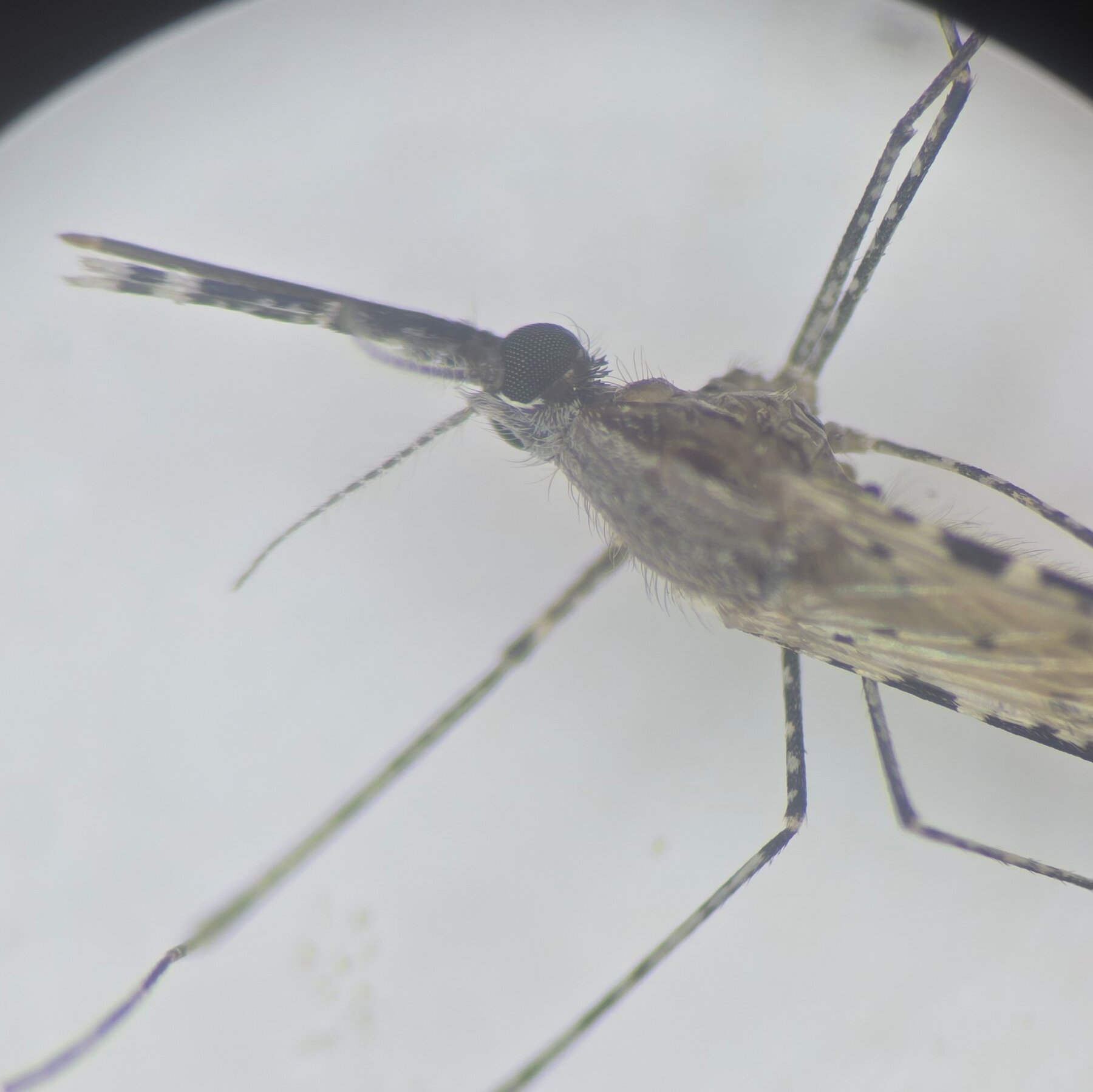
Malaria remains one of the deadliest diseases in Africa, traditionally concentrated in rural areas where the primary mosquito vectors thrive. However, a new and alarming development is unfolding: the rapid spread of an invasive mosquito species, Anopheles stephensi, which is resistant to all known insecticides and thrives in urban environments. This shift threatens to expand malaria transmission into densely populated African cities, complicating control efforts and raising urgent public health concerns. The emergence of this mosquito marks a significant change in the epidemiology of malaria on the continent, requiring immediate scientific and public health responses.
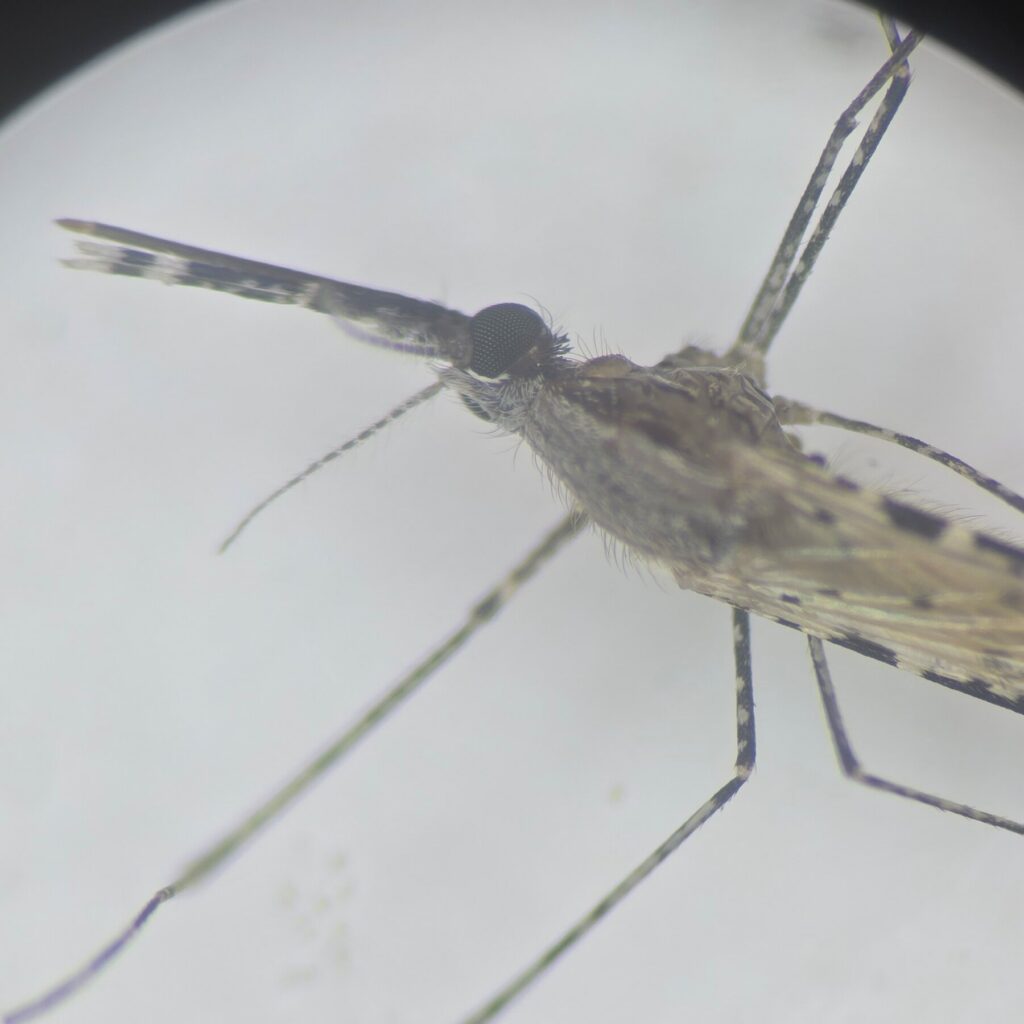
Anopheles stephensi: A New Urban Threat
Anopheles stephensi is a mosquito species originally native to South Asia and the Middle East. Unlike other malaria vectors that predominantly inhabit rural or peri-urban areas, this mosquito has uniquely adapted to urban settings, breeding in man-made water containers such as tanks, barrels, gutters, and other artificial water storage systems. This adaptation allows it to thrive in African cities, where traditional malaria vectors are less common and where urban populations have historically faced lower malaria risk.
The presence of Anopheles stephensi in Africa was first detected in the Horn of Africa, including countries like Djibouti and Ethiopia, and has since been reported in several other countries across the continent. Its urban preference means that millions of city dwellers, who previously had limited exposure to malaria, now face increased risk. This mosquito’s ability to exploit urban environments, combined with rapid urbanization trends in Africa, creates a perfect storm for expanding malaria transmission in densely populated areas.
Resistance to Insecticides: A Growing Challenge
One of the most concerning aspects of Anopheles stephensi is its resistance to all classes of insecticides currently used in malaria control programs. This resistance includes pyrethroids, organophosphates, carbamates, and other chemical classes that form the backbone of interventions such as insecticide-treated bed nets (ITNs) and indoor residual spraying (IRS).
Scientists have identified specific genetic mutations in this mosquito species that confer resistance, rendering many conventional chemical control methods ineffective. This resistance not only undermines current malaria control efforts but also poses a serious threat to public health as it limits the tools available to reduce mosquito populations and interrupt transmission cycles.
The widespread insecticide resistance necessitates urgent research into alternative control strategies, including the development of new insecticides with novel modes of action, and non-chemical interventions that can complement existing methods. Without such innovations, controlling Anopheles stephensi populations will become increasingly difficult.
Implications for Malaria Control in Africa
The spread of Anopheles stephensi threatens to significantly alter the epidemiology of malaria in Africa. Historically, urban areas have experienced lower malaria transmission rates due to fewer suitable breeding sites for traditional rural vectors. However, the urban adaptation of Anopheles stephensi means that cities, home to millions of people, could become new hotspots for malaria transmission.
This shift could lead to a surge in malaria cases in urban centers, placing additional strain on healthcare systems that may already be stretched thin. The dense human populations in cities facilitate more frequent mosquito-human contact, potentially accelerating transmission cycles and increasing the risk of outbreaks.
Public health officials face the dual challenge of managing a mosquito species that is both insecticide-resistant and well-adapted to urban environments. This requires revising malaria prevention strategies to better suit urban contexts, including improving urban sanitation, managing water storage practices to eliminate breeding sites, and enhancing disease surveillance systems to detect and respond to outbreaks promptly.
Scientific Efforts and Future Directions
Researchers worldwide are intensifying efforts to understand the biology, behavior, and genetics of Anopheles stephensi to inform effective control measures. One promising area of research involves genetic tools such as gene drives, which aim to reduce mosquito populations or alter their ability to transmit malaria parasites. These innovative approaches could provide long-term solutions to controlling resistant mosquito populations.
In parallel, there is a strong push to develop novel insecticides with different modes of action that can overcome existing resistance mechanisms. Such development is critical to replenish the arsenal of chemical tools available for vector control.
Non-chemical approaches are also being explored, including environmental management strategies that reduce mosquito breeding habitats and the use of biological control agents like larvivorous fish or bacteria that target mosquito larvae. These integrated vector management strategies combine multiple methods to achieve sustainable control.
Collaboration between governments, international health organizations, researchers, and local communities is essential to implement these strategies effectively. Coordinated efforts can accelerate the development and deployment of new tools and ensure that interventions are tailored to local contexts.
Community Engagement and Urban Planning
Effective control of Anopheles stephensi depends heavily on active community participation. Urban residents must be educated about the mosquito’s breeding habits and encouraged to adopt practices that reduce mosquito habitats, such as regularly covering water containers, eliminating standing water, and maintaining clean surroundings.
Urban planning also plays a crucial role in mitigating mosquito breeding opportunities. Incorporating vector control considerations into city development—such as improving drainage systems to prevent water stagnation, enhancing waste management to reduce discarded containers, and designing water storage infrastructure that limits mosquito access—can significantly reduce breeding sites.
Integrating public health perspectives into urban development plans is essential to address this emerging threat effectively. Empowering communities with knowledge and resources fosters resilience, complements scientific and governmental efforts, and creates a sustainable foundation for controlling the spread of this invasive mosquito.
What this means
The emergence of Anopheles stephensi as a resistant, urban-adapted malaria vector represents a significant public health challenge for Africa. Its rapid spread into cities could reshape malaria transmission patterns, demanding innovative and integrated approaches to control. While scientific advances offer hope for new interventions, success will depend on coordinated efforts involving researchers, policymakers, urban planners, and communities. Proactive measures today are essential to prevent a resurgence of malaria in Africa’s urban centers and protect millions of lives from this evolving threat.
Source: An Invasive Mosquito Is Spreading With Alarming Speed, Threatening Africa’s Cities via www.nytimes.com.
This article was curated with AI assistance and reviewed according to Tamfis editorial settings.