
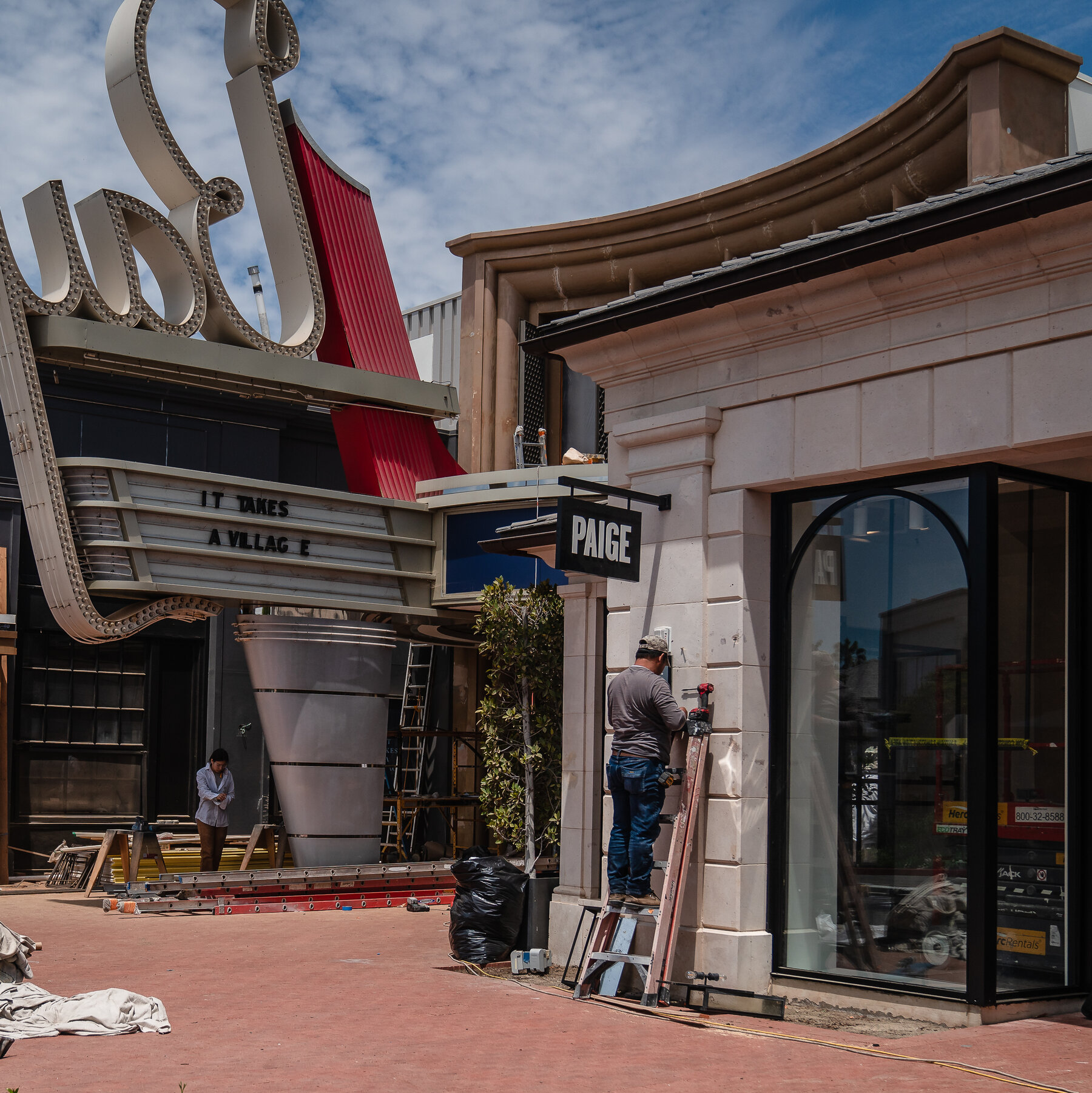
The Pacific Palisades Shopping Center, once a bustling retail hub in Los Angeles, stands on the brink of a significant revival. Led by billionaire real estate developer and former Los Angeles mayoral candidate Rick Caruso, the redevelopment project seeks to revitalize a property surrounded by the lingering scars of recent wildfires. As the local community continues to grapple with environmental and economic aftermath, reopening this shopping center symbolizes both a commercial opportunity and a beacon of resilience. This article delves into the redevelopment efforts, the multifaceted challenges posed by the surrounding burned-out lots, and the broader impact on the local economy and community well-being.
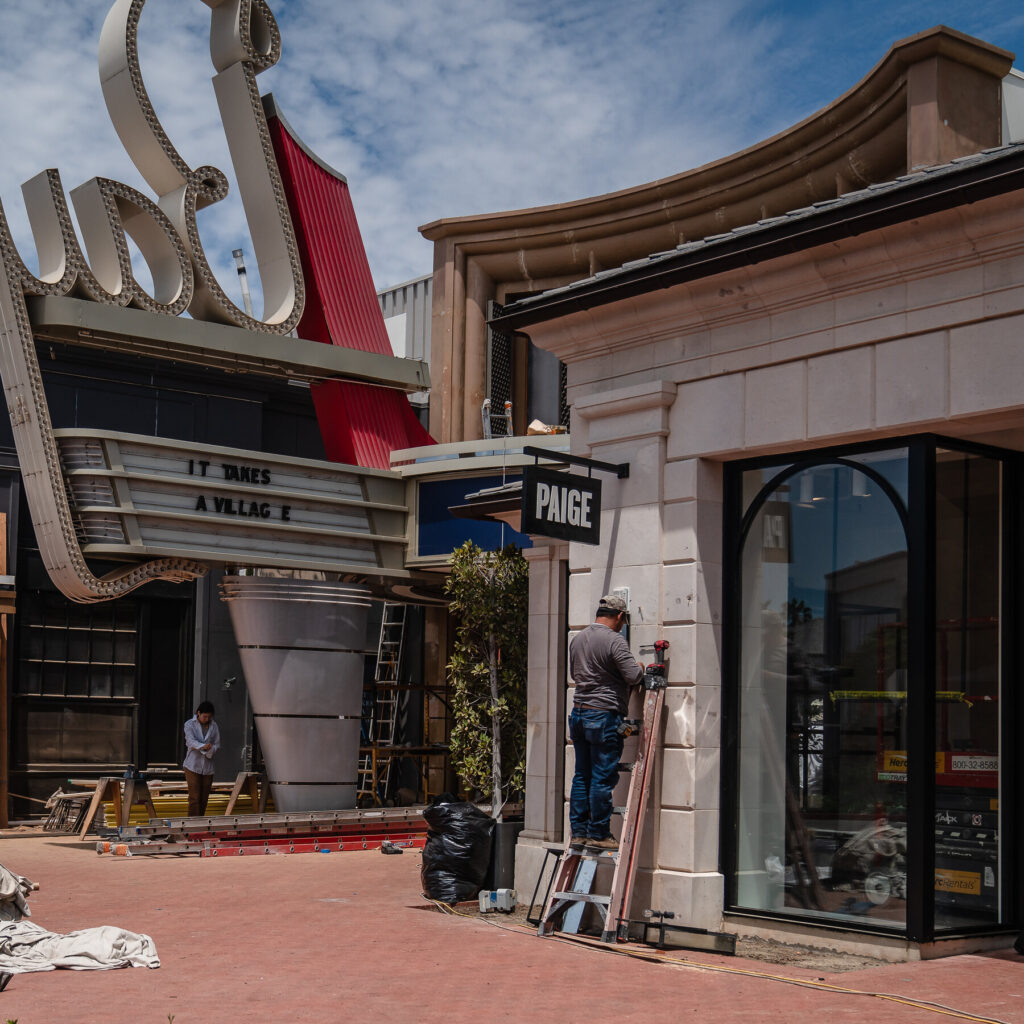
Background: Wildfires and Their Impact on Pacific Palisades
In recent years, California has faced an alarming increase in the frequency and intensity of wildfires, with the Pacific Palisades area bearing significant consequences. These fires have left large expanses of land charred, including commercial zones and residential neighborhoods, disrupting daily life and local economies. The Pacific Palisades Shopping Center itself, while structurally intact, is encircled by burned-out lots that remain largely vacant and undeveloped since the fires.
The wildfire devastation extended beyond physical damage, deeply affecting the local economy and community morale. Retail activity slowed considerably as foot traffic declined, and many businesses faced uncertainty about reopening or sustaining operations. This economic downturn compounded the psychological toll on residents, who confronted displacement, property loss, and a disrupted sense of normalcy. The urgent need for revitalization became clear as community leaders and stakeholders sought pathways to restore both economic vitality and social cohesion.
Rick Caruso’s Vision for Revival
Rick Caruso, a renowned figure in real estate development known for creating landmark retail destinations such as The Grove in Los Angeles, has taken on the ambitious challenge of revitalizing the Pacific Palisades Shopping Center. His involvement brings significant financial resources, development expertise, and a track record of transforming retail spaces into vibrant community hubs.
Caruso’s vision extends beyond mere refurbishment of existing structures. It encompasses a holistic approach that addresses the broader context of the surrounding burned-out lots. By incorporating thoughtful architectural design, sustainable building practices, and community-focused amenities, the project aims to create a welcoming destination that harmonizes commercial success with environmental sensitivity. This includes plans for green spaces, pedestrian-friendly layouts, and venues that encourage social interaction and cultural engagement.
The redevelopment is also a strategic effort to restore consumer confidence and stimulate economic activity in Pacific Palisades, an area that has faced setbacks due to wildfire-related disruptions. Caruso’s approach emphasizes resilience, aiming to not only rebuild but to enhance the community’s capacity to withstand future environmental challenges.
Challenges in Redevelopment Post-Wildfire
Reviving a commercial property in an area still marked by wildfire damage presents a complex set of challenges. Environmental remediation is paramount; the land surrounding the shopping center requires thorough assessment and treatment to ensure safety from residual hazards such as soil contamination, unstable terrain, and compromised vegetation. This process demands collaboration with environmental experts and adherence to strict regulatory standards, which can extend project timelines and increase costs.
Beyond physical remediation, the psychological impact on the community plays a critical role. Many residents and potential customers remain cautious about returning to an area associated with recent disasters. Overcoming this hesitancy involves transparent communication about safety measures, visible improvements in infrastructure, and active community engagement to rebuild trust and a sense of security.
Logistical challenges further complicate redevelopment efforts. Infrastructure damage from the wildfires may affect utilities, transportation routes, and emergency services, requiring coordinated restoration efforts. Ensuring reliable access to water, electricity, and roadways is essential for the shopping center’s successful reopening and sustainable operation. Additionally, developers must navigate permitting processes and potential environmental reviews, which can be more stringent in post-disaster zones.
Economic and Community Implications
The reopening of the Pacific Palisades Shopping Center holds substantial promise for revitalizing the local economy. Retail spaces generate employment opportunities, attract visitors, and support ancillary businesses such as restaurants, cafes, and service providers. A thriving shopping center can act as an anchor for broader neighborhood revitalization, encouraging investment and enhancing property values.
Caruso’s project is also expected to integrate community-oriented spaces, including green areas, gathering spots, and cultural venues. These features not only improve the quality of life for residents but also foster social cohesion and a strong sense of belonging. Such community-centric design can help heal the social fabric torn by wildfire disruption.
However, balancing commercial redevelopment with community needs requires careful planning. There is a risk that revitalization efforts could lead to displacement or gentrification pressures, potentially marginalizing long-term residents. To mitigate these concerns, inclusive stakeholder engagement and equitable development practices are essential, ensuring that the benefits of redevelopment are broadly shared.
Looking Ahead: A Model for Post-Disaster Recovery
The Pacific Palisades Shopping Center’s revival under Rick Caruso’s leadership may serve as a valuable model for other communities facing similar post-disaster redevelopment challenges. It underscores the importance of combining private investment with community engagement and environmental stewardship to achieve sustainable recovery.
As climate change continues to increase the frequency and severity of wildfires in California and beyond, resilient redevelopment strategies become increasingly critical. Projects like this demonstrate how commercial redevelopment can align with broader goals of recovery, sustainability, and community resilience.
The success of the Pacific Palisades project will depend on ongoing collaboration among developers, local government, residents, and environmental experts. This cooperative approach is vital to ensure that the area not only recovers but thrives in the years ahead, setting a precedent for how communities can rebuild stronger and more sustainably after environmental disasters.
What this means
The revival of the Pacific Palisades Shopping Center marks a pivotal step in the community’s ongoing recovery from recent wildfires. Guided by Rick Caruso’s expertise and vision, the project aims to restore economic vitality while thoughtfully addressing the environmental and social challenges inherent in post-disaster redevelopment. As the area transitions from devastation to renewal, this endeavor highlights the potential for sustainable and resilient development to foster long-term prosperity and community strength. The lessons learned here will be increasingly important as communities across California and other wildfire-prone regions confront the escalating realities of climate-related disasters.
Source: Pacific Palisades Shopping Center Is Preparing to Reopen via www.nytimes.com.
This article was curated with AI assistance and reviewed according to Tamfis editorial settings.