
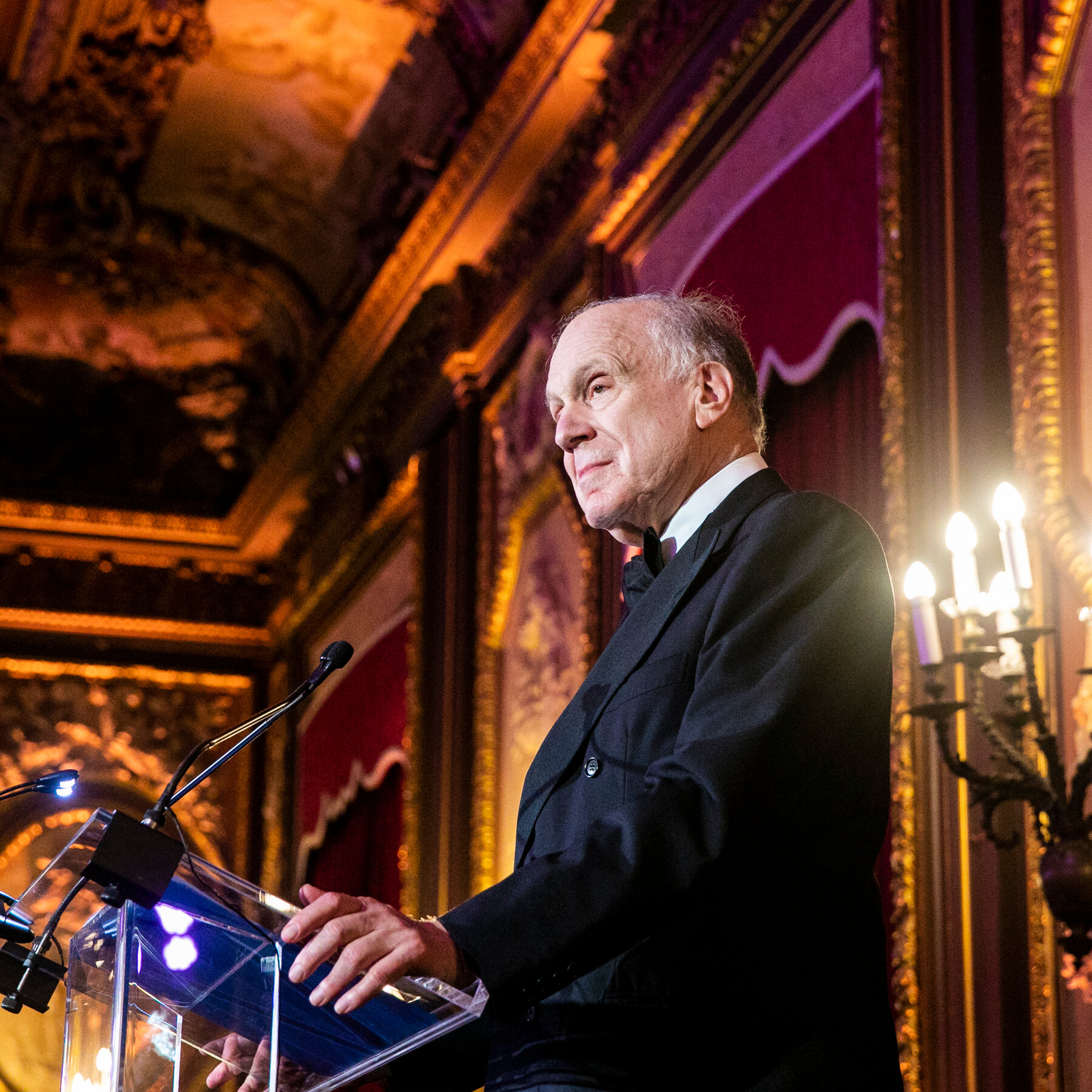
Ronald S. Lauder, a billionaire known for his substantial contributions to conservative political causes, has notably refrained from donating to Republican candidates in New York in 2026. This development marks a significant shift in the funding landscape for the GOP in the state, as Lauder’s super PAC has also become inactive. Understanding the implications of this pause in support provides insight into the evolving nature of political financing and the challenges facing the Republican Party in New York as it seeks to remain competitive in a predominantly Democratic environment.
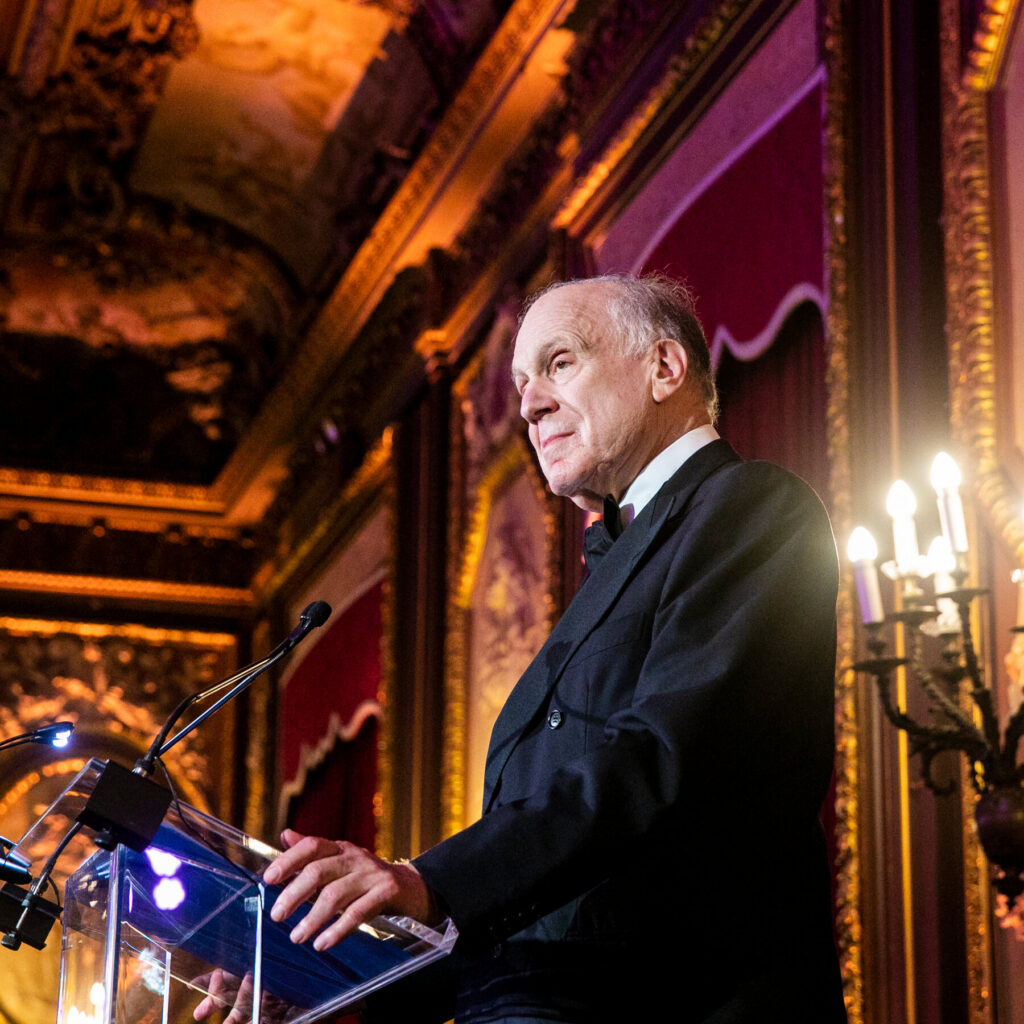
Ronald Lauder: A Pillar of Conservative Funding
Ronald S. Lauder has long been recognized as one of the most influential financial backers of conservative politics, particularly within his home state of New York. His wealth and commitment to conservative causes have made him a key figure in shaping political campaigns and influencing election outcomes over many years.
Lauder’s financial involvement extends beyond direct donations to candidates; he has also been instrumental in funding super PACs—political action committees that can raise and spend unlimited amounts of money to advocate for or against political candidates. His super PAC has played a crucial role in amplifying conservative messaging and supporting GOP candidates at various levels of government, often providing the financial muscle necessary to compete in expensive media markets like New York.
A Sudden Pause in Contributions
In 2026, Lauder’s financial support for Republican candidates in New York has come to a halt. Remarkably, he has not donated a single dollar to GOP candidates this year, which is a stark departure from his previous patterns of consistent and substantial contributions.
Alongside this cessation of donations, Lauder’s super PAC has become inactive. This inactivity means that one of the major channels through which conservative candidates have received funding is currently dormant. The absence of this financial and strategic support could affect campaign strategies and resource availability for Republican contenders, potentially weakening their ability to compete effectively in key races.
Potential Reasons Behind the Withdrawal
While the specific reasons for Lauder’s withdrawal from funding Republicans in New York have not been publicly detailed, several plausible factors could be influencing this decision. Political donors often reassess their contributions based on shifts in party leadership, policy directions, or electoral prospects, especially in states where the political landscape is challenging.
It is also possible that Lauder is redirecting his philanthropic and political resources toward other causes or geographic areas that align more closely with his current priorities. Alternatively, internal disagreements within the GOP or dissatisfaction with candidate selections and party strategies could be contributing factors.
Such pauses in funding are not unprecedented and can serve as signals to political parties about donor expectations or concerns. These moments often prompt strategic adjustments within parties as they seek to regain donor confidence and address underlying issues.
Implications for the Republican Party in New York
Lauder’s decision to withhold financial support could have significant repercussions for the Republican Party in New York. High-profile donors like Lauder provide crucial resources that enable campaigns to reach voters, organize events, and build robust ground operations—activities that are especially vital in a state where Democrats traditionally hold a strong position.
Without access to these funds, GOP candidates may face challenges in maintaining competitive campaigns, particularly in expensive media markets and diverse constituencies. The absence of Lauder’s super PAC activity further limits the party’s ability to engage in independent expenditures that can influence voter perceptions and counter Democratic messaging.
This funding gap could compel the Republican Party to seek alternative donors or adjust campaign strategies to compensate for reduced financial backing. It may also encourage the party to innovate in fundraising approaches, such as increasing grassroots efforts or leveraging digital platforms to mobilize supporters.
Broader Trends in Political Donations
Lauder’s pause in donations reflects a broader trend where major political donors are becoming more selective and strategic with their contributions. The landscape of political funding is evolving, with donors increasingly scrutinizing candidates’ platforms, electability, and alignment with their values before committing funds.
Super PACs, once a dominant force in campaign financing, have faced criticism and regulatory scrutiny, leading some donors to reconsider their involvement or shift their focus. Additionally, the rise of grassroots fundraising and small-dollar donations has diversified the sources of campaign funding, potentially reducing reliance on a few wealthy backers.
These shifts highlight the dynamic nature of political finance and the ongoing negotiation between donors and political parties, where strategic considerations and changing priorities influence the flow of campaign resources.
Looking Ahead: What to Watch
Observers of New York politics and Republican strategists will be closely monitoring whether Ronald Lauder resumes his financial support or continues to withhold contributions. His actions could signal broader donor sentiment and influence the party’s approach to upcoming elections.
The Republican Party’s ability to adapt to this change by cultivating new donors or leveraging alternative fundraising methods will be critical to its competitiveness in New York. This may involve renewed efforts to engage with key supporters and address concerns that led to the funding pause.
Furthermore, Lauder’s decision may inspire internal discussions within the GOP about candidate selection, policy priorities, and strategies for strengthening ties with influential donors. How the party responds could shape its electoral prospects and financial stability in the coming years.
What this means
Ronald Lauder’s decision to halt financial contributions to Republican candidates in New York marks a notable shift in the state’s political funding environment. While the precise motivations remain undisclosed, the impact on GOP campaigns could be substantial, underscoring the importance of donor relationships in modern politics. As the Republican Party navigates this new terrain, its response will be crucial in shaping its future electoral prospects. This development also exemplifies the changing dynamics of political donations, where strategic considerations and evolving donor priorities increasingly influence the flow of campaign resources.
Source: Ronald Lauder, a Billionaire G.O.P. Backer, Closes His Wallet via www.nytimes.com.
This article was curated with AI assistance and reviewed according to Tamfis editorial settings.