
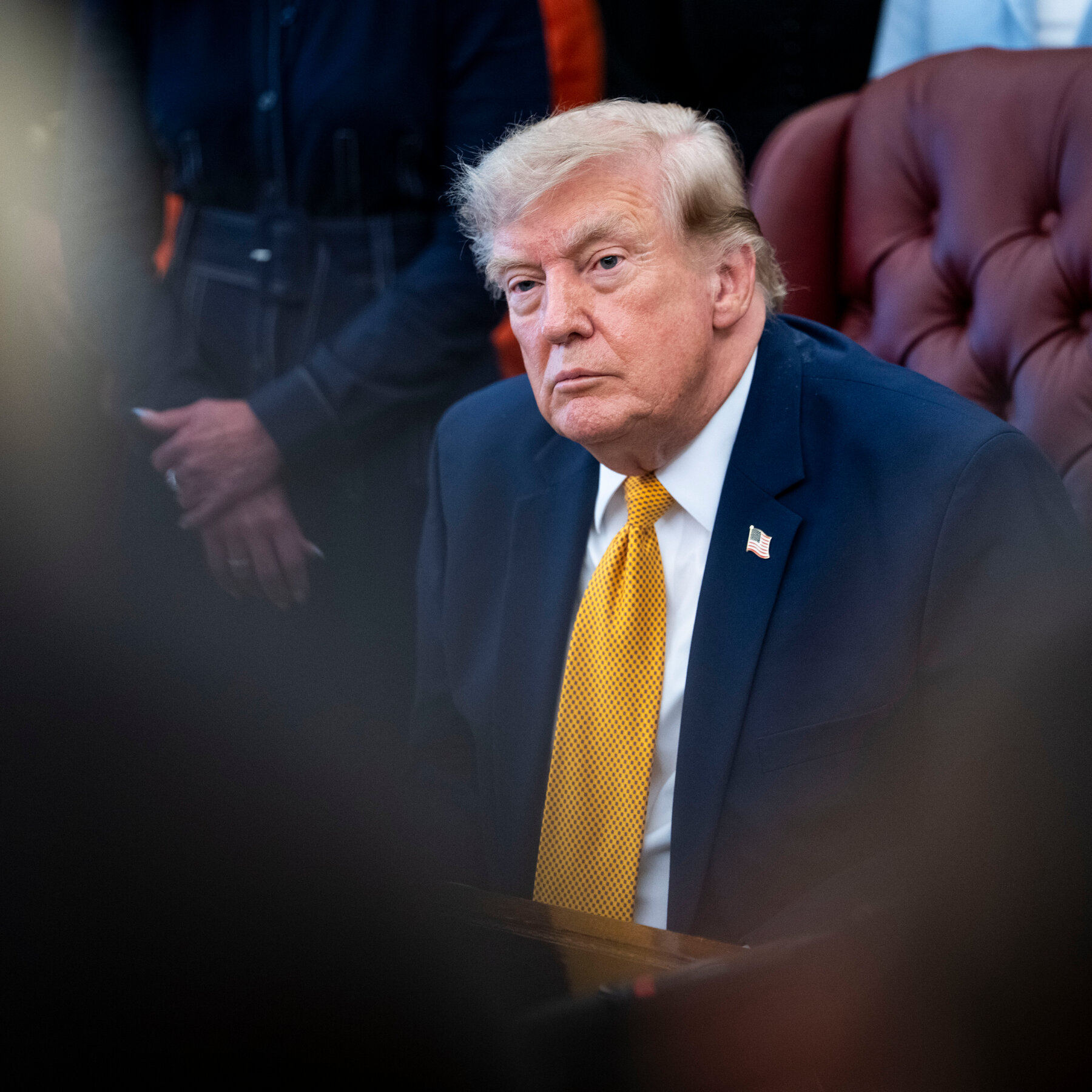
In a rare public rebuke, President Donald Trump criticized Jeanine Pirro, the U.S. attorney for Washington, D.C., accusing her of mishandling the investigation into vandalism at the National Mall’s reflecting pool. The incident sparked significant political attention, leading to a private meeting at the White House between Trump and Pirro. This article examines the background of the controversy, the implications of the presidential criticism, and what the meeting signals about the future of Pirro’s role amid ongoing debates about prosecutorial independence.
Background: The Reflecting Pool Vandalism Case
The reflecting pool near the Lincoln Memorial in Washington, D.C., is a historic and symbolic site that became the center of a high-profile vandalism case during recent protests. Damage to this iconic landmark prompted a federal investigation led by Jeanine Pirro, the U.S. attorney for the District of Columbia, tasked with upholding federal law in the capital.
Given the pool’s national significance and its proximity to monuments that embody American history and values, the case attracted intense public and political scrutiny. The investigation was expected to be thorough and decisive, reflecting the importance of protecting federal property and maintaining order during times of civil unrest.
However, the pace and direction of the investigation led to mixed reactions. Some viewed the response as insufficiently aggressive, while others cautioned against politicizing the legal process. This tension set the stage for the controversy that followed.
Trump’s Public Criticism of Pirro
President Trump broke with precedent by openly criticizing a sitting U.S. attorney, Jeanine Pirro, for her handling of the reflecting pool vandalism case. He described her as having “folded like an umbrella,” a vivid metaphor suggesting she had failed to assert the necessary authority or pursue justice vigorously.
Such direct presidential criticism of a federal prosecutor is unusual and underscores the president’s dissatisfaction with the investigation’s progress. Trump’s remarks were widely disseminated in the media, fueling debate about the appropriate boundaries between political leadership and the independence of legal officials.
The president’s comments also raised concerns among legal experts and civil rights advocates who worry that political pressure might compromise the impartiality expected of federal prosecutors. This episode thus highlighted the delicate balance between executive oversight and prosecutorial autonomy.
The White House Meeting: What It Means for Pirro’s Position
In the wake of the public criticism, Jeanine Pirro was summoned to the White House for a private meeting with President Trump. Sources familiar with the discussion indicate that despite the president’s harsh words, Pirro’s job appeared to be secure for the immediate future.
The meeting provided a forum for both parties to address the concerns directly and potentially recalibrate the investigation’s approach. While no immediate personnel changes were announced, the encounter underscored the underlying tensions between the executive branch and federal prosecutors, especially in politically sensitive cases.
Such meetings are often viewed by observers as indicators of a U.S. attorney’s standing within the administration. Although Pirro’s position remains intact for now, the situation remains fluid, with future developments likely to depend on how the case unfolds and how the administration’s expectations are met.
Implications for Federal Prosecutorial Independence
This episode brings into sharp focus the broader issue of prosecutorial independence within the federal justice system. U.S. attorneys, while appointed by the president and subject to executive oversight, are expected to operate with a degree of autonomy to ensure fair and impartial enforcement of the law.
The president’s public rebuke and subsequent meeting with Pirro illustrate the challenges inherent in maintaining this independence when investigations touch on politically charged subjects. Legal experts caution that overt political pressure can erode public trust in the justice system’s impartiality and may deter prosecutors from pursuing cases that could be politically sensitive.
Maintaining a clear separation between political influence and legal decision-making is essential to uphold the rule of law and democratic principles. This incident serves as a case study in the ongoing struggle to balance executive authority with judicial independence.
Public and Political Reactions
Public reaction to the controversy has been deeply divided. Supporters of President Trump argue that his criticism was justified, emphasizing the need for strong law enforcement and accountability, particularly when national monuments and public property are involved.
On the other hand, critics contend that the president’s intervention threatens the separation of powers and could intimidate federal prosecutors from conducting thorough investigations, especially when political considerations come into play.
Within political circles, the incident has sparked vigorous debate about the appropriate limits of presidential influence over the justice system. The discussion reflects broader concerns about the independence of federal prosecutors and the potential consequences of executive overreach.
Looking Ahead: What to Watch
The future trajectory of the reflecting pool vandalism case remains uncertain, with close attention focused on how the investigation proceeds under Jeanine Pirro’s leadership.
Observers will be monitoring for any shifts in prosecutorial strategy, potential personnel changes, or new developments that might signal the administration’s evolving stance on the case.
Moreover, this episode may have lasting implications for how federal prosecutors navigate politically sensitive investigations, balancing their legal responsibilities with the realities of political scrutiny and executive expectations.
What this means
The meeting between President Trump and Jeanine Pirro following his public criticism underscores the delicate balance between political oversight and prosecutorial independence. While Pirro’s role remains intact for now, the episode serves as a reminder of the challenges federal prosecutors face when handling cases that intersect with political interests. As the reflecting pool vandalism investigation continues, its trajectory will offer valuable insights into the evolving dynamics between the justice system and the executive branch, highlighting the ongoing tension between maintaining the rule of law and navigating political pressures.
Source: Pirro Meets With Trump at the White House After He Said She ‘Choked’ in Reflecting Pool Case via www.nytimes.com.
This article was curated with AI assistance and reviewed according to Tamfis editorial settings.