
The race to fill Lindsey Graham’s Senate seat in South Carolina has intensified, highlighted by a recent debate that revealed the dynamics shaping this pivotal contest. As the state prepares to elect a new senator, candidates grapple with Graham’s enduring influence and the impact of high-profile endorsements. This article delves into the critical moments from the debate, examining how legacy, endorsements, and policy positions are influencing voter sentiment and the overall trajectory of the race.
The Lingering Influence of Lindsey Graham
Lindsey Graham’s tenure as a U.S. Senator has left an indelible mark on South Carolina politics. Serving multiple terms, Graham became known for his blend of staunch conservatism combined with occasional bipartisan outreach, carving out a unique political identity that resonated with many voters across the state. His approach to governance has shaped expectations for his successor, who must navigate the complex legacy he leaves behind.
During the recent debate, candidates frequently referenced Graham’s record, signaling its importance to voters who have long identified with his style and priorities. This legacy acts both as a benchmark and a challenge. Candidates must balance honoring Graham’s contributions while presenting fresh perspectives to address evolving state and national issues, including economic growth, healthcare access, and national security concerns.
This balancing act is crucial in appealing to a broad base of South Carolina voters who respect Graham’s service but also seek leadership attuned to contemporary challenges. The debate underscored that Graham’s influence remains a defining feature of the race, shaping both policy discussions and campaign strategies.
Darline Graham’s Candidacy and Trump’s Endorsement
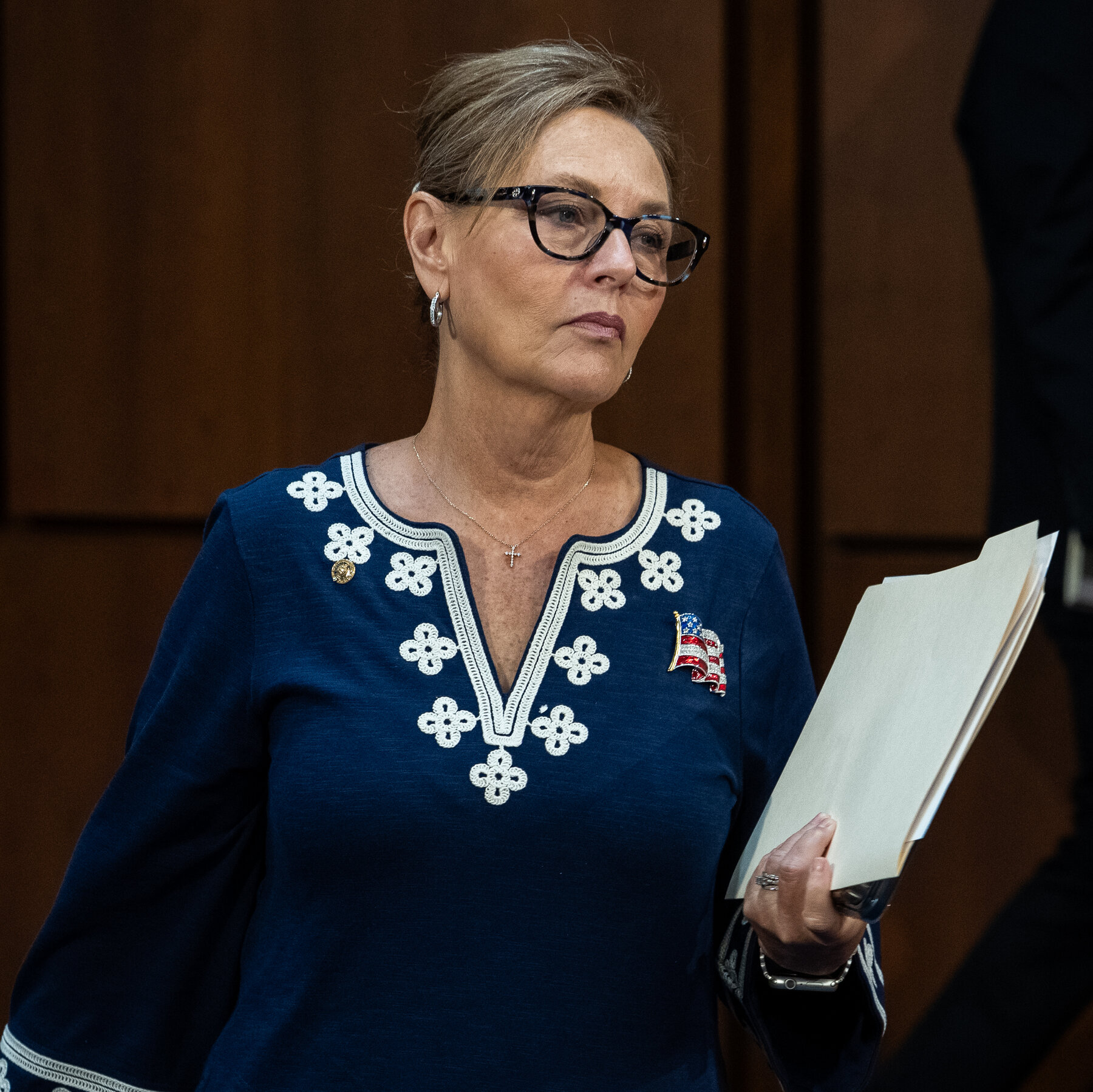
Darline Graham, Lindsey Graham’s sister, emerged as a central figure in the debate, largely due to the high-profile endorsement she received from former President Donald Trump. This endorsement has significantly amplified her visibility and positioned her as a formidable contender in the race to succeed her brother.
Trump’s backing signals an alignment with his political brand and appeals directly to his loyal base within South Carolina, a state where his influence remains strong among conservative voters. This connection introduces a dynamic where national political narratives intersect with local electoral concerns, allowing Darline Graham’s campaign to leverage Trump’s enduring popularity to consolidate support.
However, this endorsement also invites scrutiny and debate among constituents who hold mixed feelings about Trump’s role in South Carolina politics. While it energizes a segment of the electorate, it simultaneously polarizes opinions, creating both opportunities and challenges for Darline Graham as she seeks to broaden her appeal beyond Trump’s core supporters.
The debate highlighted how Darline Graham’s campaign is navigating this duality, emphasizing her commitment to conservative principles while attempting to address the diverse priorities of South Carolina’s electorate.
Debate Highlights: Policy Positions and Campaign Strategies
The debate showcased a broad spectrum of policy positions, reflecting candidates’ efforts to address pressing issues such as economic development, healthcare reform, and national security. These discussions revealed how candidates differentiate themselves through their visions for South Carolina’s future and America’s role on the global stage.
Economic development and job creation were prominent topics, with candidates proposing various strategies to stimulate growth in South Carolina’s key industries. Proposals ranged from incentivizing small businesses and expanding infrastructure to attracting new investments and supporting workforce development programs. These initiatives aim to respond to voters’ concerns about economic recovery and long-term prosperity.
Healthcare discussions centered on improving access and affordability, resonating with voters who face rising costs and coverage gaps. Candidates debated approaches to healthcare reform, including expanding Medicaid, reducing prescription drug prices, and enhancing rural healthcare services, reflecting the diverse healthcare needs across the state.
National security and foreign policy also featured prominently, with candidates articulating differing visions for America’s military engagement and diplomatic priorities. These perspectives highlighted the ideological spectrum within the race, from advocating for a robust military presence abroad to emphasizing diplomatic solutions and defense modernization.
Campaign strategies varied widely. Some candidates focused on grassroots mobilization and deep local engagement, aiming to build strong community ties and voter turnout. Others leveraged national networks and high-profile endorsements, including Darline Graham’s connection to Trump, to build momentum and attract broader media attention. This multifaceted approach illustrates how modern political campaigns blend local and national factors to influence voter behavior.
Voter Sentiment and the Road Ahead
Voter sentiment in South Carolina appears divided, reflecting a tension between loyalty to Lindsey Graham’s legacy and a desire for new representation. The debate illuminated this dynamic, as candidates sought to position themselves as both respectful of tradition and agents of change capable of addressing contemporary challenges.
The influence of President Trump’s endorsement on voter behavior remains a critical factor to watch. While it energizes a significant segment of the electorate, it also polarizes opinions, potentially affecting turnout and candidate support in unpredictable ways. This polarization underscores the complex interplay between national political figures and local electoral outcomes.
As the campaign progresses, candidates will need to refine their messages and outreach efforts to connect with an increasingly diverse electorate. Issues such as economic recovery, healthcare access, and national security are expected to remain central to voter decision-making, demanding nuanced policy proposals and effective communication.
The upcoming weeks will be decisive, with further debates, campaign events, and voter engagement shaping the trajectory of the race. Observers anticipate a competitive contest that could have significant implications for South Carolina’s political future, potentially influencing the balance of power in the Senate and the direction of state policies.
What this means
The South Carolina Senate race is unfolding as a complex interplay of legacy, endorsements, and policy debates. Lindsey Graham’s enduring influence sets a high bar for candidates, while Darline Graham’s Trump-backed campaign introduces new energy and controversy. As voters weigh their options, the contest promises to be a defining moment for the state’s political landscape. Understanding these dynamics is essential for anyone seeking to grasp the evolving nature of South Carolina’s electoral environment.
Source: Trump, Graham Dominate Senate Race: 5 Takeaways from South Carolina Debate. via www.nytimes.com.
This article was curated with AI assistance and reviewed according to Tamfis editorial settings.