
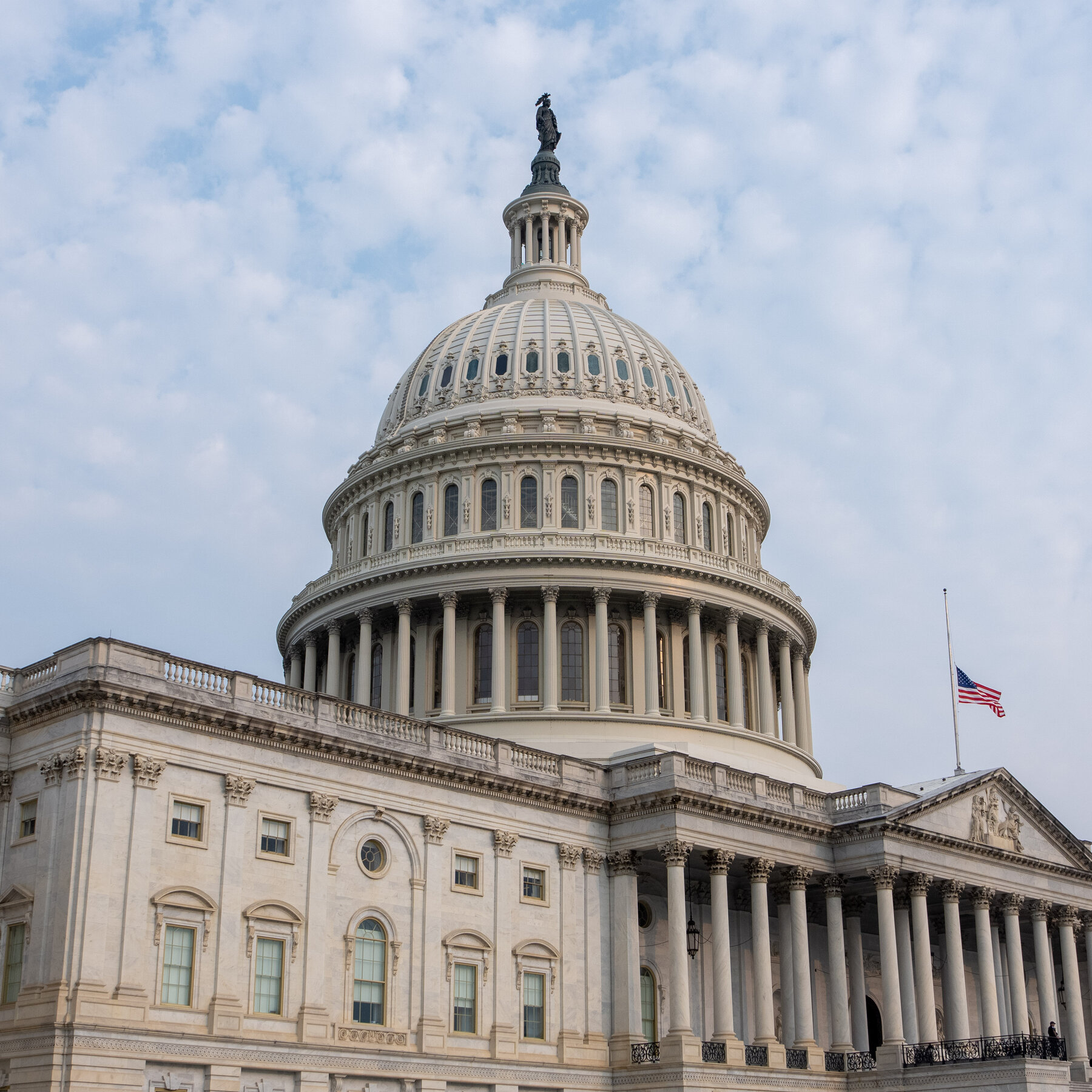
As the midterm elections draw near, the United States Senate has moved forward with a bipartisan spending bill aimed at preventing a government shutdown. This legislative effort reflects a shared urgency among senators from both parties to maintain government operations and avoid the disruptions that a shutdown would cause. Despite this progress, the bill still faces significant hurdles in the House of Representatives, where its passage is not guaranteed. Understanding the political dynamics behind this development is crucial for grasping the potential impact on government services, the economy, and the broader electoral landscape.
The Senate's Bipartisan Push to Avoid a Shutdown
In a political climate often marked by partisan gridlock, the Senate's recent advancement of a spending bill underscores a rare moment of cooperation. Senators from both major parties recognize the significant consequences of a government shutdown, which can halt essential services, furlough federal employees, and shake public confidence in government stability.
This bipartisan effort reflects a pragmatic approach to governance, particularly as the midterm elections loom. Lawmakers appear motivated by a desire to demonstrate responsibility and avoid the political fallout that a shutdown could trigger. The Senate's action suggests an acknowledgment that maintaining government funding is a priority that transcends party lines.
The measure passed in the Senate is designed to keep the government funded at current levels, preventing disruptions to federal programs and services. This approach aims to provide continuity and stability, signaling to the public and markets that Congress can act decisively in times of potential crisis.
Challenges Ahead: The House of Representatives' Role
While the Senate's progress is a positive sign, the spending bill must still pass the House of Representatives to become law. The House, with its own political dynamics and leadership priorities, may present a more complex environment for the bill's approval.
Historically, the House has sometimes taken a tougher stance on spending measures, especially when different factions within the majority party seek to influence budgetary decisions. This internal complexity could lead to amendments, delays, or even rejection of the Senate's proposal.
The necessity of House approval means that the bipartisan spirit seen in the Senate must extend to the lower chamber to ensure the government remains funded and operational. Observers will be watching closely to see if House leaders can navigate these challenges effectively, balancing competing interests while avoiding a shutdown.
The House’s approach will likely reflect broader political calculations, including how the spending bill aligns with the priorities of influential members and the potential electoral consequences of either passing or blocking the legislation.
Implications of a Potential Shutdown
A government shutdown can have widespread effects, disrupting services ranging from national parks to federal law enforcement and social programs. Employees deemed non-essential may face furloughs, resulting in financial strain for thousands of workers and their families.
Beyond the immediate operational impacts, a shutdown can erode public trust in government institutions and create uncertainty in financial markets. Businesses that rely on government contracts or regulatory approvals may also experience delays, affecting broader economic activity.
The ripple effects of a shutdown often extend into the private sector, with contractors and suppliers facing halted payments and disrupted schedules. This can slow economic growth and increase volatility in markets already sensitive to political developments.
Given these stakes, the Senate's proactive approach aims to mitigate these risks by ensuring continuous government funding. However, the uncertainty surrounding the House's response means that the threat of a shutdown remains until final approval is secured.
Political Considerations Ahead of the Midterm Elections
The timing of this spending bill is closely tied to the upcoming midterm elections, where control of Congress and the direction of federal policy are at stake. Lawmakers are acutely aware that a government shutdown could influence voter perceptions and electoral outcomes.
By advancing a bipartisan bill, senators may be seeking to position themselves as responsible leaders who prioritize stability over partisan conflict. This stance could appeal to moderate voters and those frustrated by political stalemates.
Conversely, some members of Congress may use the spending debate to highlight fiscal concerns or policy disagreements, potentially complicating efforts to pass the bill. The interplay between policy priorities and electoral strategy will shape the legislative process in the coming weeks.
Political messaging around the spending bill is likely to be a key factor, with parties aiming to frame their positions in ways that resonate with their constituencies ahead of the elections.
Looking Forward: What to Expect Next
The immediate focus now shifts to the House of Representatives, where leadership must decide how to proceed with the Senate-approved spending bill. Negotiations, possible amendments, and political maneuvering are likely as the deadline to fund the government approaches.
Stakeholders, including federal employees, contractors, and the general public, will be closely monitoring developments. Advocacy groups and industry representatives may also engage with lawmakers to influence the final content of the spending legislation.
Ultimately, the resolution of this funding issue will depend on the ability of Congress to reconcile differences and prioritize government continuity over partisan divisions. The coming days will be critical in determining whether the government can avoid another shutdown.
If the House passes the bill without significant changes, it could swiftly move to the president’s desk for signature, ensuring uninterrupted government operations. However, if disagreements persist, temporary funding measures or further negotiations may be necessary to prevent a lapse.
What this means
The Senate's advancement of a bipartisan spending bill marks a significant step toward averting a government shutdown at a politically sensitive time. This move reflects a shared recognition among senators of the importance of maintaining government functions and avoiding the disruptions a shutdown would cause. However, the ultimate outcome hinges on the House of Representatives, where political complexities could influence the bill's fate. As the midterm elections approach, the ability of Congress to work collaboratively on this issue will be a critical test of legislative effectiveness and a key factor in the nation's political and economic stability.
Source: Senate Moves Ahead on Bill to Avert a Shutdown via www.nytimes.com.
This article was curated with AI assistance and reviewed according to Tamfis editorial settings.