

For decades, Germany’s automotive industry has been a cornerstone of its economy and a source of national identity. Brands like Mercedes-Benz, BMW, and Volkswagen have not only set standards for engineering excellence but have also embodied German innovation and craftsmanship. However, the industry now confronts a series of significant challenges that threaten its dominance. From international trade tensions and shifting consumer preferences to the rapid ascent of Chinese competitors, Germany’s carmakers are navigating a complex and evolving landscape. Understanding these dynamics is crucial for grasping the future trajectory of one of the world’s most influential auto sectors.
The Weight of Tradition Meets Modern Disruption
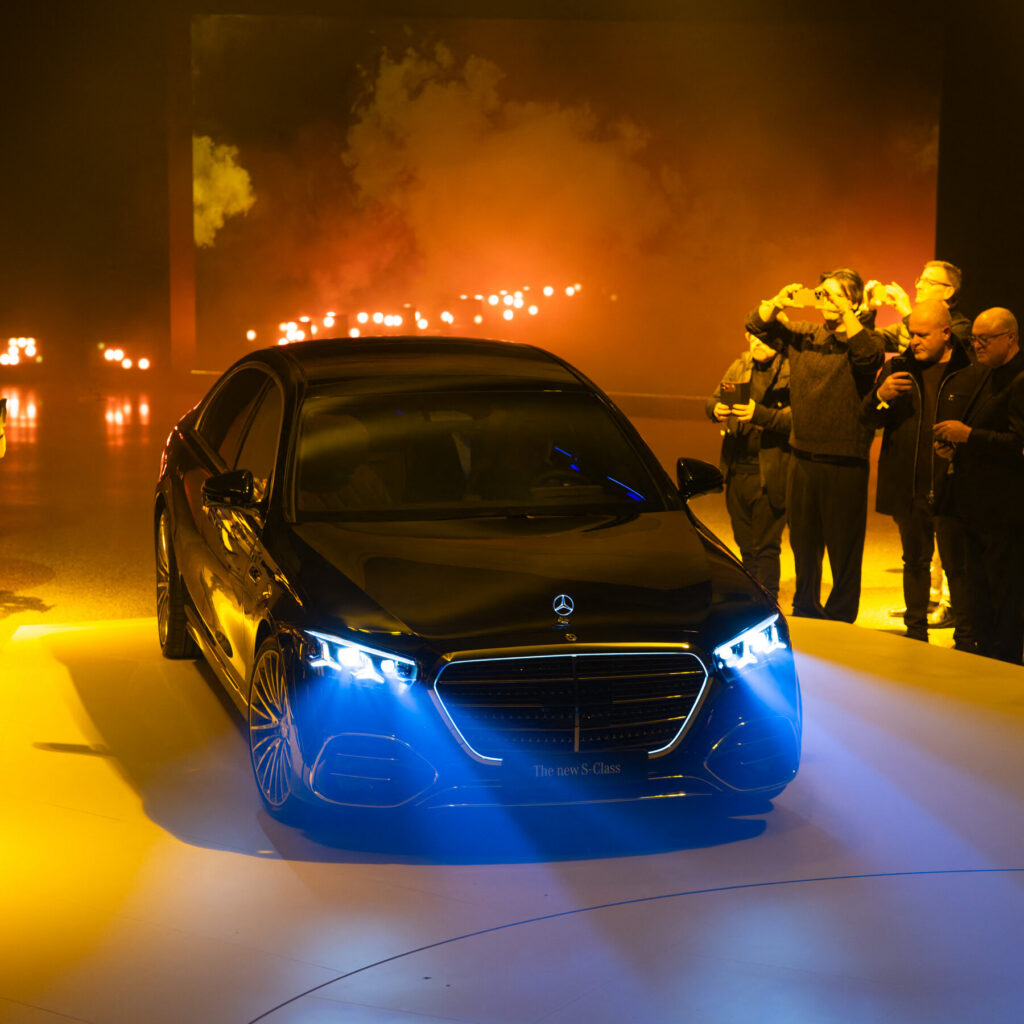
Germany’s automotive industry has long been synonymous with quality, reliability, and engineering prowess. The legacy of brands like Mercedes-Benz, BMW, and Volkswagen is deeply embedded in the country’s cultural fabric and economic framework. These companies have historically thrived on internal combustion engine technology, building extensive global supply chains and cultivating loyal customer bases worldwide.
However, the industry’s traditional strengths are now being tested by rapid technological shifts and evolving market demands. The global push towards electric vehicles (EVs) is transforming consumer expectations and regulatory landscapes at an unprecedented pace. German automakers, once leaders in combustion engine innovation, must pivot quickly to electrification to maintain competitiveness. This transition is capital-intensive and requires retooling manufacturing processes, developing new battery technologies, and expanding charging infrastructure partnerships. The shift also challenges long-established production methods and supplier relationships, demanding agility and significant investment.
Tariffs and Trade Tensions: A Complicated Global Environment
International trade policies have added further complexity to the challenges facing Germany’s carmakers. Tariffs imposed by various countries, including the United States and China, have increased costs and disrupted established supply chains. These trade barriers have made exporting vehicles and components more expensive and less predictable, impacting profitability and strategic planning.
The automotive sector is particularly vulnerable to such disruptions due to its reliance on globalized production networks. Components often cross borders multiple times before a vehicle is assembled, making tariff impacts cumulative and magnifying cost pressures. Consequently, German manufacturers are exploring ways to localize production or diversify supply chains to mitigate these risks. However, such adjustments require time, capital investment, and coordination with international partners, making them complex undertakings.
Moreover, the unpredictability of trade relations adds an element of uncertainty that complicates long-term strategic decisions. Navigating this environment demands flexibility and proactive engagement with policymakers to advocate for favorable trade conditions.
The Rise of Chinese Competitors: A New Global Player
Chinese automotive companies have emerged as formidable competitors on the global stage, particularly in the electric vehicle segment. Backed by strong government support and aggressive investment in EV technology, Chinese manufacturers have rapidly expanded their market share both domestically and internationally.
This surge presents a dual challenge for German automakers. First, it intensifies competition in key markets where German brands have traditionally dominated, including Europe and parts of Asia. Second, it pressures German companies to accelerate innovation and cost efficiency to keep pace. Chinese firms often benefit from lower production costs, flexible business models, and rapid decision-making processes, enabling them to offer competitive pricing and quickly adapt to evolving market trends.
The growing presence of Chinese EVs in Europe and other regions underscores the urgency for German manufacturers to refine their strategies, enhance product offerings, and strengthen brand loyalty. This competition is not limited to pricing but extends to technological innovation, customer experience, and sustainability credentials.
Adapting to the Electric Future: Opportunities and Obstacles
Transitioning to electric vehicles is not merely a technological challenge but also a strategic imperative for Germany’s auto industry. German carmakers have begun investing heavily in EV research and development, battery technology, and new manufacturing facilities dedicated to electric drivetrains.
Yet, the shift is fraught with obstacles. Developing competitive EV models requires balancing performance, range, and affordability to meet diverse consumer needs. Additionally, the industry must address supply chain issues, particularly the sourcing of critical raw materials like lithium and cobalt, which are essential for battery production and subject to geopolitical and environmental concerns.
Infrastructure development, such as widespread charging networks, also remains a key concern. While governments and private enterprises are investing in this area, the pace of infrastructure rollout will significantly influence consumer adoption rates and, consequently, the success of German EVs.
Moreover, the transition impacts the workforce profoundly. Traditional automotive manufacturing jobs may decline, necessitating retraining programs and new skill development to prepare employees for roles in EV production, software development, and related technologies. Managing this workforce transformation is critical to maintaining social stability and retaining valuable expertise.
Balancing Innovation with Economic and Social Realities
Germany’s automotive sector operates within a broader socio-economic context that demands careful balancing. The industry is a major employer and contributor to the national economy, and any disruption has ripple effects on communities, suppliers, and regional economies.
Policymakers and industry leaders face the challenge of fostering innovation while ensuring economic stability. Supportive measures, such as incentives for EV adoption, investment in research, and workforce development initiatives, are critical to smoothing the transition and maintaining Germany’s competitive edge.
At the same time, German carmakers must maintain their reputation for quality and engineering excellence. This requires continuous innovation not only in electric drivetrains but also in autonomous driving technologies, digital connectivity, and sustainability practices. These advancements will shape the future appeal and relevance of German vehicles in a rapidly evolving market.
Collaboration between government, industry, and academia will be essential to navigate these complexities and secure a competitive future for Germany’s auto industry. By aligning technological innovation with social responsibility and economic pragmatism, the sector can continue to thrive amid global challenges.
What this means
Germany’s automotive industry stands at a pivotal moment. The convergence of technological transformation, global trade challenges, and new competitive pressures demands a strategic and adaptive response. While the road ahead is complex, the industry’s history of engineering excellence and innovation provides a strong foundation. By embracing electrification, fostering collaboration, and navigating economic realities thoughtfully, Germany’s iconic carmakers can continue to play a vital role in the global automotive landscape and the nation’s economic future.
Source: The German Auto Industry, a Pillar of the National Psyche, Is Trembling via www.nytimes.com.
This article was curated with AI assistance and reviewed according to Tamfis editorial settings.