
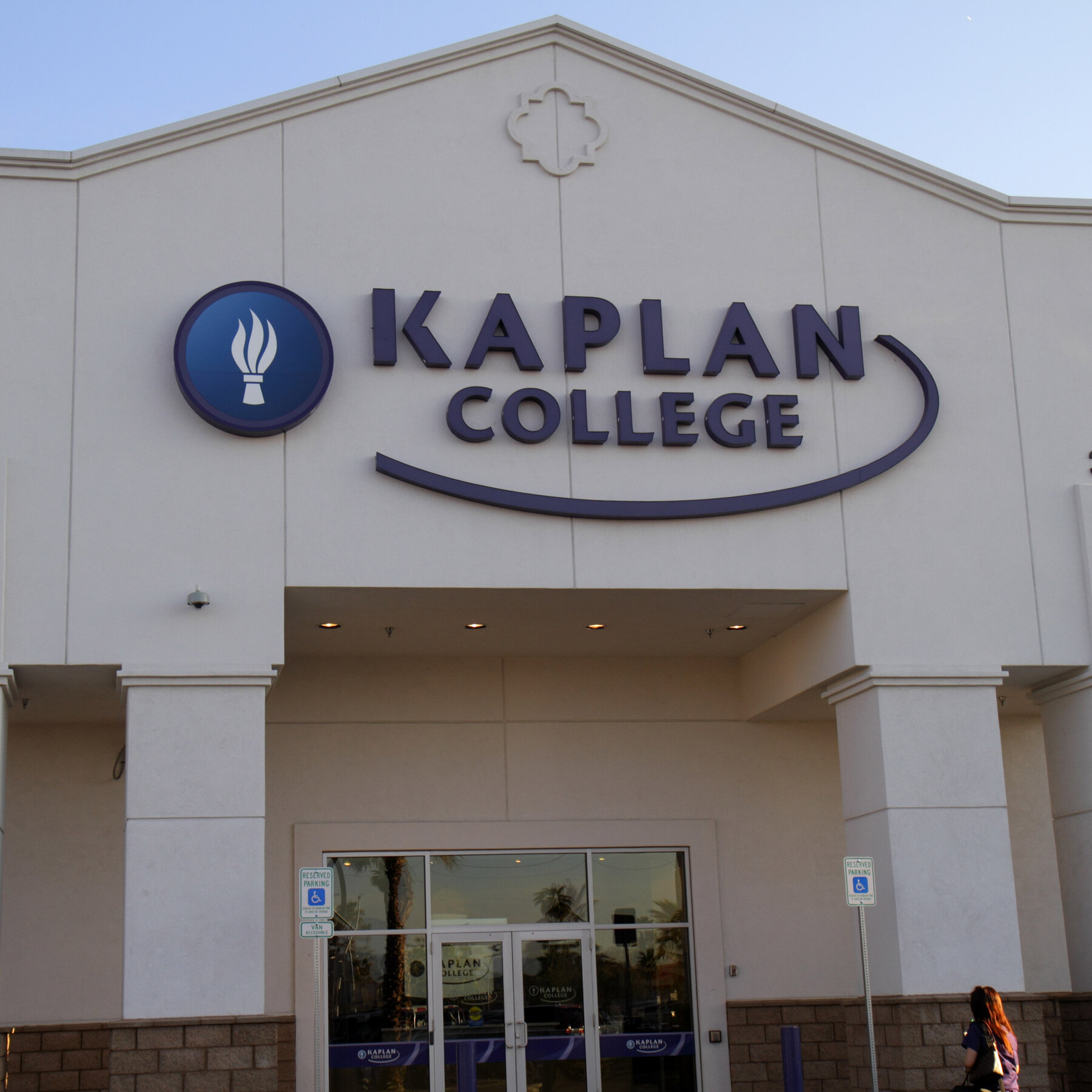
In a landmark decision aimed at addressing widespread financial injustice, the U.S. Department of Education has canceled student loan debt for 170,000 borrowers who were defrauded by for-profit colleges. These institutions, often criticized for misleading recruitment tactics and subpar educational outcomes, have left many students burdened with debt and limited career prospects. This article explores the background of the student loan cancellations, the criteria for borrower eligibility, the broader implications for higher education policy, and what this means for affected students moving forward.
Background: The Rise and Controversy of For-Profit Colleges
For-profit colleges have long been a contentious segment of the higher education landscape. Unlike public or nonprofit institutions, for-profit colleges operate as businesses aiming to generate profit for shareholders. While some provide legitimate educational opportunities, many have faced criticism for aggressive marketing tactics, high tuition costs, and low graduation rates.
Throughout the 2000s and 2010s, numerous investigations revealed that some for-profit colleges engaged in deceptive recruitment practices, promising students lucrative careers that frequently did not materialize. These revelations sparked public outrage and calls for regulatory reforms to protect students and taxpayers.
The fallout from these practices has been severe. Many students found themselves saddled with substantial debt and degrees that failed to improve their employment prospects. This situation prompted the federal government to initiate loan cancellation programs targeting borrowers who were defrauded or misled by these institutions.
The Department of Education’s Recent Loan Cancellation Announcement
In a recent announcement, the U.S. Department of Education declared that it would cancel student loans for approximately 170,000 borrowers who attended for-profit colleges under fraudulent circumstances. This move is part of a broader effort to rectify the damage caused by predatory educational practices.
The cancellations are facilitated through the Borrower Defense to Repayment program, which allows students to seek loan forgiveness if their college engaged in misconduct or violated certain federal laws. The Department has streamlined the application process to expedite relief to eligible borrowers.
This initiative represents one of the largest student debt cancellation efforts tied directly to institutional fraud. By addressing the wrongs committed by for-profit colleges, the Department aims to restore trust in the higher education system and provide financial reprieve to affected students.
Eligibility Criteria for Loan Cancellation
To qualify for loan cancellation under this program, borrowers must demonstrate that they were defrauded or misled by a for-profit college. This includes evidence of deceptive recruitment practices, false promises about job placement rates, or misleading information about the quality of education provided.
The Department of Education has identified specific institutions and circumstances that meet the criteria for loan forgiveness. Borrowers who attended these schools and took out federal student loans are automatically eligible or can apply for debt relief through simplified procedures.
Additionally, the Department has expanded eligibility to include borrowers who did not previously submit claims but can show they were harmed by institutional misconduct. This expansion reflects a commitment to comprehensive relief for all affected students.
Impact on Borrowers and Their Financial Future
For the 170,000 borrowers receiving loan cancellations, the financial impact is transformative. Many had been struggling with monthly payments that consumed significant portions of their income, limiting their ability to save, invest, or support their families.
Loan cancellation not only alleviates immediate financial pressure but can also improve credit scores and increase economic mobility. Freed from burdensome debt, borrowers can pursue new educational opportunities, change careers, or invest in homeownership and entrepreneurship.
Moreover, this relief helps to restore a sense of justice and trust for students who were misled by their institutions. It acknowledges their hardships and reinforces the government’s role in protecting consumers within the education market.
Broader Implications for the Higher Education Sector
The Department of Education’s decisive action signals increased scrutiny of for-profit colleges and underscores the importance of accountability within higher education. Institutions may face greater regulatory oversight and be compelled to improve transparency in recruitment and educational outcomes.
This development could also influence policy discussions regarding the future of federal student aid. Lawmakers and regulators might consider stricter eligibility standards for institutions to participate in federal loan programs, ensuring taxpayer funds support quality education.
Furthermore, the cancellation initiative may inspire other states and advocacy groups to pursue similar actions, fostering a more equitable and consumer-protective educational environment nationwide.
Challenges and Criticisms of the Loan Cancellation Program
Despite widespread support, the loan cancellation program has faced criticism from some quarters. Opponents argue that forgiving debt for borrowers from for-profit colleges could encourage moral hazard or unfairly penalize institutions and taxpayers.
Some critics contend that the process for determining fraud is complex and that not all borrowers who received cancellations were necessarily victims. There are concerns about the long-term sustainability of such large-scale debt forgiveness measures.
Nevertheless, advocates emphasize that the program addresses clear cases of institutional misconduct and is a necessary corrective to protect vulnerable students. Balancing relief efforts with fiscal responsibility remains a key policy challenge moving forward.
What Borrowers Should Do Next
Borrowers who believe they may qualify for loan cancellation should review the Department of Education’s official resources to understand eligibility and application procedures. Even those who have not yet applied may have new opportunities under expanded criteria.
It is advisable for affected borrowers to check their loan servicer accounts and communications to confirm the status of any cancellations or pending applications. Staying informed helps ensure that they receive the maximum possible relief.
Additionally, borrowers may seek guidance from nonprofit organizations specializing in student loan advocacy or legal aid to navigate the complexities of the process and protect their rights.
Future Outlook: Continuing Reforms and Student Protection
The loan cancellation for defrauded borrowers marks a significant milestone but is part of an ongoing effort to reform higher education financing and protect students. Policymakers continue to explore ways to improve transparency, accountability, and affordability in postsecondary education.
Future reforms may include enhanced data reporting requirements for colleges, stronger consumer protections, and expanded financial literacy programs to help students make informed decisions about borrowing.
Ultimately, the goal is to create a more equitable and sustainable higher education system that supports student success without undue financial risk or exploitation.
Conclusion
The cancellation of student loans for 170,000 borrowers defrauded by for-profit colleges represents a critical step toward rectifying systemic injustices within the higher education sector. By providing substantial financial relief and holding institutions accountable, the Department of Education is reaffirming its commitment to protecting students and taxpayers alike. While challenges remain, this initiative sets a precedent for future reforms aimed at ensuring transparency, fairness, and accessibility in postsecondary education. Borrowers affected by these cancellations can now look forward to a more secure financial future, free from the burden of debt incurred through deception.