
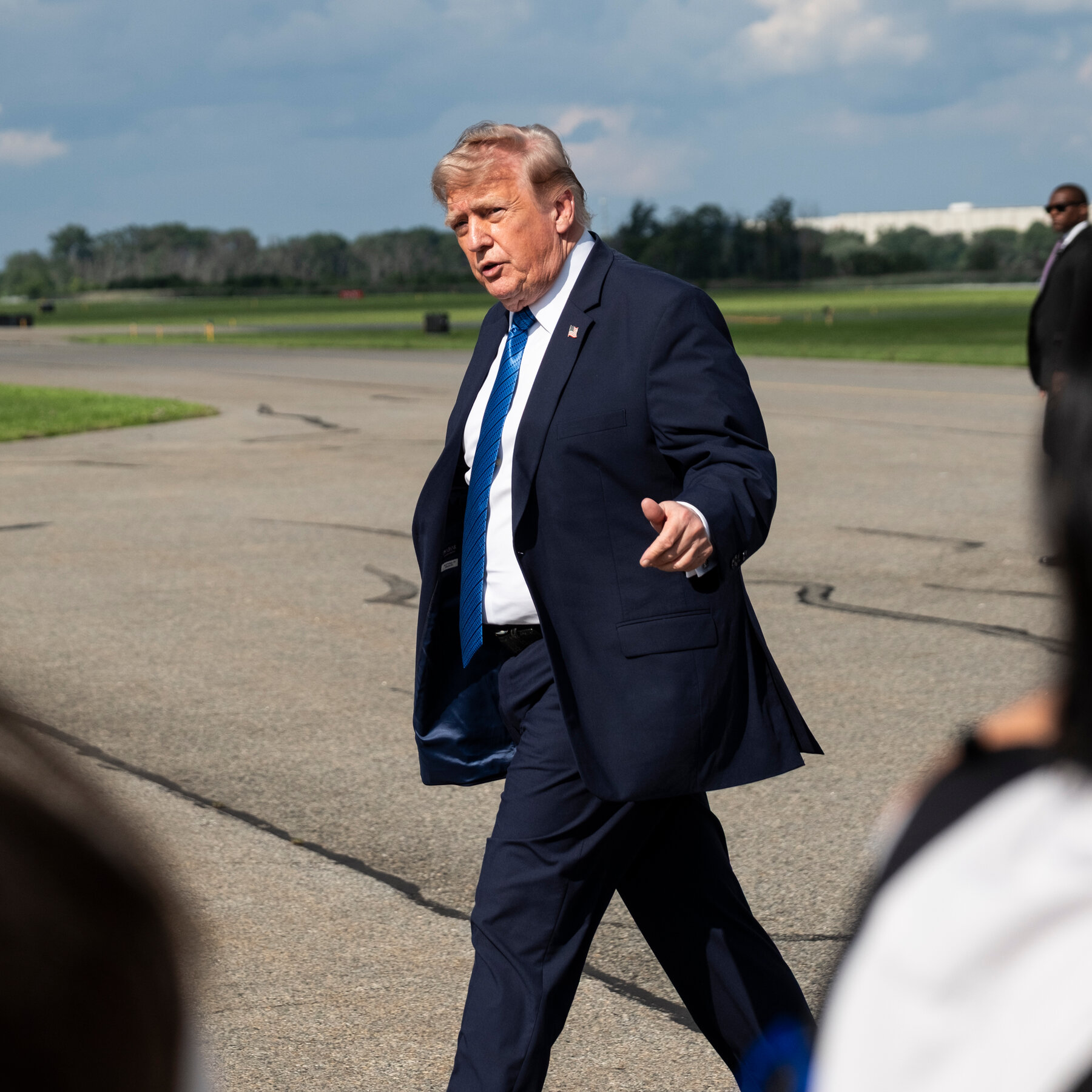
The Middle East remains a volatile arena where geopolitical tensions frequently threaten to spiral into larger conflicts. Recent developments involving Iran and the United States, particularly former President Donald Trump’s decision to step back from escalating military engagement, highlight a nuanced power struggle. Tehran’s deliberate expansion of conflict zones across the region sends a clear message about the risks of a wider war, demonstrating its strategic leverage and resilience. This article examines the implications of these moves, the underlying power dynamics, and what they mean for regional stability amid ongoing tensions.
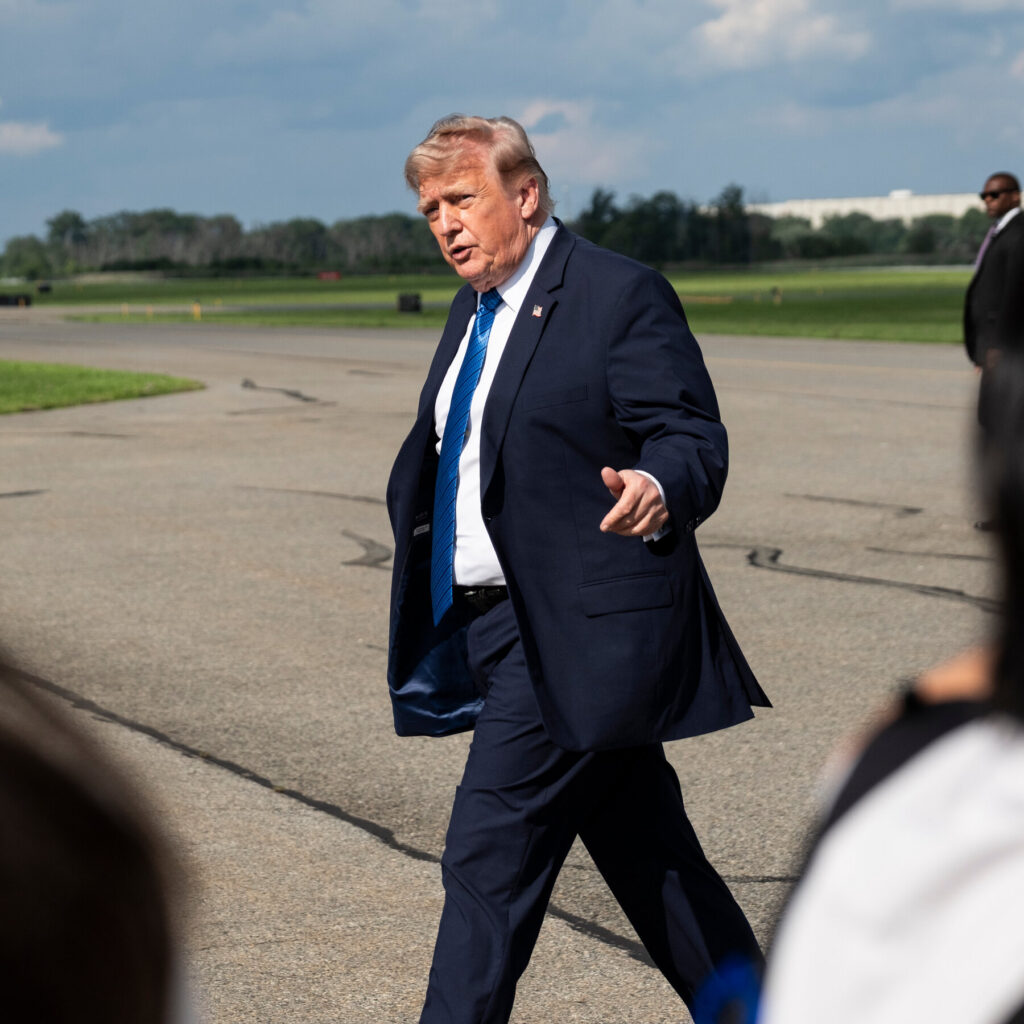
Iran’s Expansion of Conflict Zones: A Calculated Warning
In recent months, Iran has broadened the scope of its military and proxy activities beyond its borders, intensifying tensions across the Middle East. By engaging in multiple fronts, Tehran has effectively sent a signal to its adversaries, particularly the United States, about the potential consequences of further escalation. Experts interpret this expansion not as reckless aggression but as a strategic maneuver designed to highlight the dangers of a wider regional war.
This approach leverages Iran’s extensive network of allied militias and proxy groups in countries such as Iraq, Syria, Lebanon, and Yemen. By increasing pressure through these channels, Iran can exert influence and challenge U.S. interests without engaging in direct confrontation. This tactic complicates Washington’s response options and raises the stakes for any military action. The message is clear: any attempt to escalate militarily risks igniting a broader, more unpredictable conflict that could engulf the region.
Trump’s Reversal: Indications of Iranian Leverage
Former President Donald Trump’s recent decision to reverse course on escalating military action in the region is widely viewed as a recognition of Iran’s strengthened position. Initially, the Trump administration had adopted a hardline stance, emphasizing maximum pressure through sanctions and military threats aimed at curbing Tehran’s influence. However, the subsequent shift away from escalation suggests a recalibration in response to Tehran’s expanded influence and the complex realities on the ground.
This reversal underscores the challenges the U.S. faces in balancing deterrence with the risk of unintended consequences. Iran’s ability to expand conflict zones and mobilize proxy forces effectively raises the stakes, making aggressive military responses potentially costly and destabilizing. Trump’s change in posture may reflect an acknowledgment that Iran currently holds the upper hand in this strategic contest, forcing a reconsideration of the risks involved in further military escalation.
The Broader Regional Implications
The widening scope of conflict involving Iran has significant implications for regional stability. Neighboring countries are increasingly drawn into the fray, either directly or through proxy engagements, heightening the risk of a broader conflagration. This expansion complicates diplomatic efforts aimed at de-escalation and peace-building, as multiple actors with divergent agendas become entangled in the conflict.
Moreover, the involvement of various regional powers creates a complex web of alliances and rivalries. Iran’s actions directly challenge the influence of other key players such as Saudi Arabia and Israel, both of whom have vested interests in limiting Tehran’s reach. The United States, traditionally a dominant force in the region, now faces the challenge of managing a more diffuse and unpredictable conflict landscape. The potential for miscalculations or unintended escalations grows as the conflict becomes more multifaceted.
The international community faces the difficult task of navigating this intricate environment to prevent further deterioration. Diplomatic channels must consider Iran’s strategic signaling and the underlying motivations driving its expanded military activities. Failure to address these dynamics risks prolonging instability and undermining prospects for peace.
Understanding Tehran’s Strategic Calculus
Iran’s decision to broaden its military engagement is rooted in a strategic calculus aimed at safeguarding its interests and deterring adversaries. By demonstrating its capacity to influence multiple fronts simultaneously, Tehran enhances its bargaining power and deters unilateral actions against it. This multi-front approach serves as both a defensive and offensive strategy, signaling resilience in the face of external pressures.
This strategy also serves domestic political purposes by projecting strength and resilience amid ongoing economic pressures and sanctions. Iran’s leadership seeks to balance internal stability with external assertiveness, using regional conflicts as leverage in broader geopolitical negotiations. By maintaining influence in neighboring countries, Tehran reinforces its position as a regional power capable of shaping outcomes beyond its borders.
Analysts note that Tehran’s approach is measured rather than reckless, designed to avoid direct confrontation with major powers while maximizing its regional influence. This nuanced strategy complicates efforts to contain Iran and requires a sophisticated understanding of its motivations and capabilities. Tehran’s calculated expansion is a deliberate effort to assert dominance without triggering a full-scale war.
Potential Paths Forward for U.S. and Regional Actors
Given the current dynamics, the United States and its regional partners face critical decisions about how to respond to Iran’s expanded military posture. Military escalation carries risks of widespread conflict, while diplomatic engagement requires navigating deep-seated mistrust and competing interests. A purely confrontational approach risks exacerbating tensions and destabilizing the region further.
A balanced approach may involve reinforcing deterrence while pursuing diplomatic avenues to reduce tensions. Engaging regional actors in dialogue and addressing underlying grievances could help contain the conflict and prevent further escalation. Multilateral efforts that include both regional and international stakeholders are essential to craft sustainable solutions.
Ultimately, understanding Iran’s strategic messaging and the limits of its military engagement is essential for crafting effective policies. Avoiding miscalculations and unintended consequences will depend on careful assessment and coordinated international efforts. The path forward requires patience, strategic foresight, and a willingness to engage with the complex realities on the ground.
What this means
The evolving dynamics between Iran and the United States underscore a complex power struggle in the Middle East. Tehran’s expansion of conflict zones is a calculated move to assert its influence and deter further escalation, a strategy that has prompted a notable shift in U.S. policy under former President Trump. This interplay highlights the delicate balance of power and the risks inherent in the region’s volatile environment. Moving forward, careful diplomacy combined with strategic deterrence will be crucial to prevent the outbreak of a wider war. Understanding the motivations and capabilities of all actors involved remains essential for maintaining regional stability and avoiding unintended consequences.
Source: For Iran, Trump’s Reversal on Escalation Shows Who Has the Upper Hand via www.nytimes.com.
This article was curated with AI assistance and reviewed according to Tamfis editorial settings.