
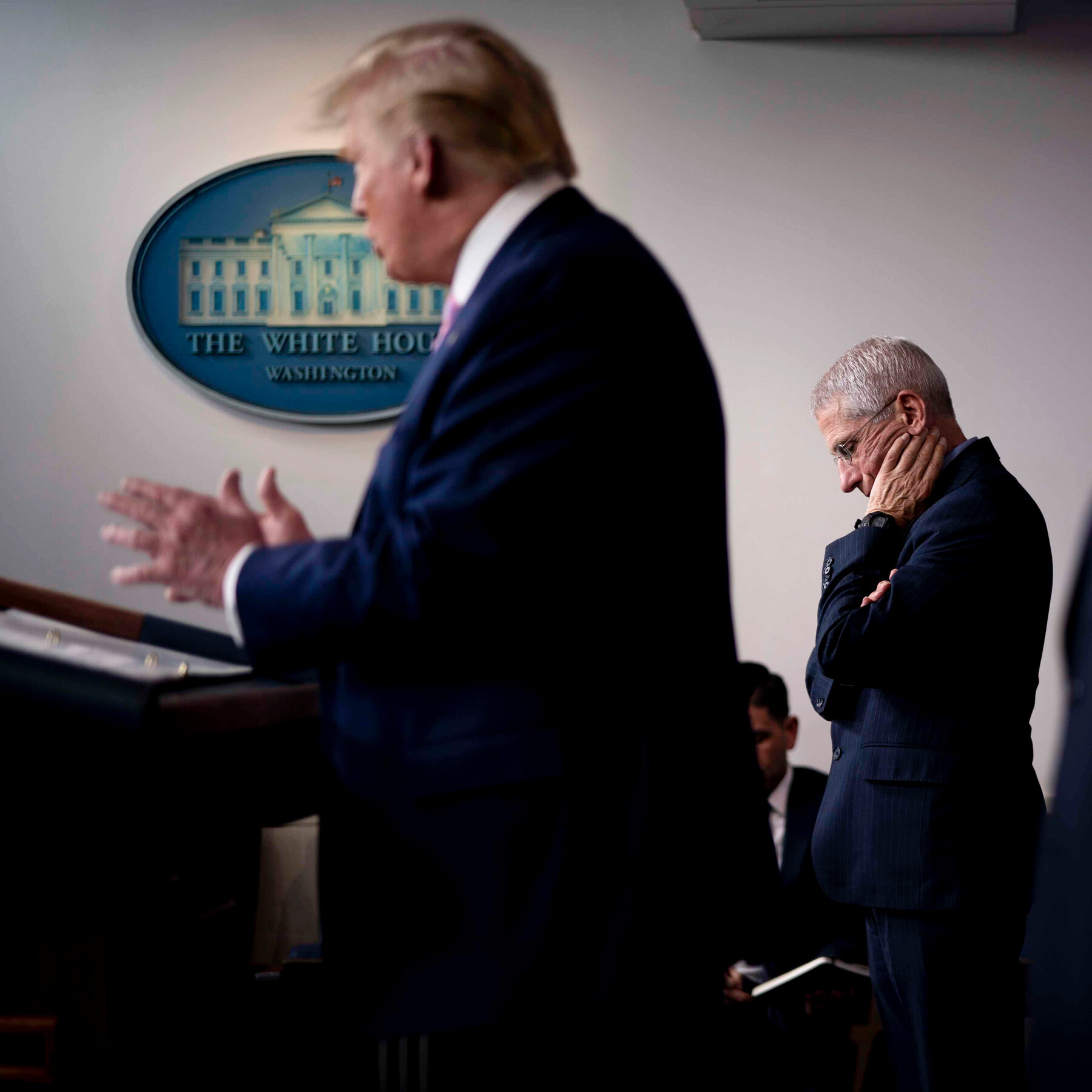
As the 2026 election cycle approaches, former President Donald Trump remains fixated on the events of 2020—a year marked by the coronavirus pandemic and his electoral defeat. Rather than shifting his focus to current and future issues, Trump frequently revisits and attempts to reshape the narrative around that turbulent year. This persistent backward glance raises questions about his political strategy, its resonance with voters, and the broader implications for American politics as the country looks ahead.
The Persistent Echo of 2020 in Trump’s Rhetoric
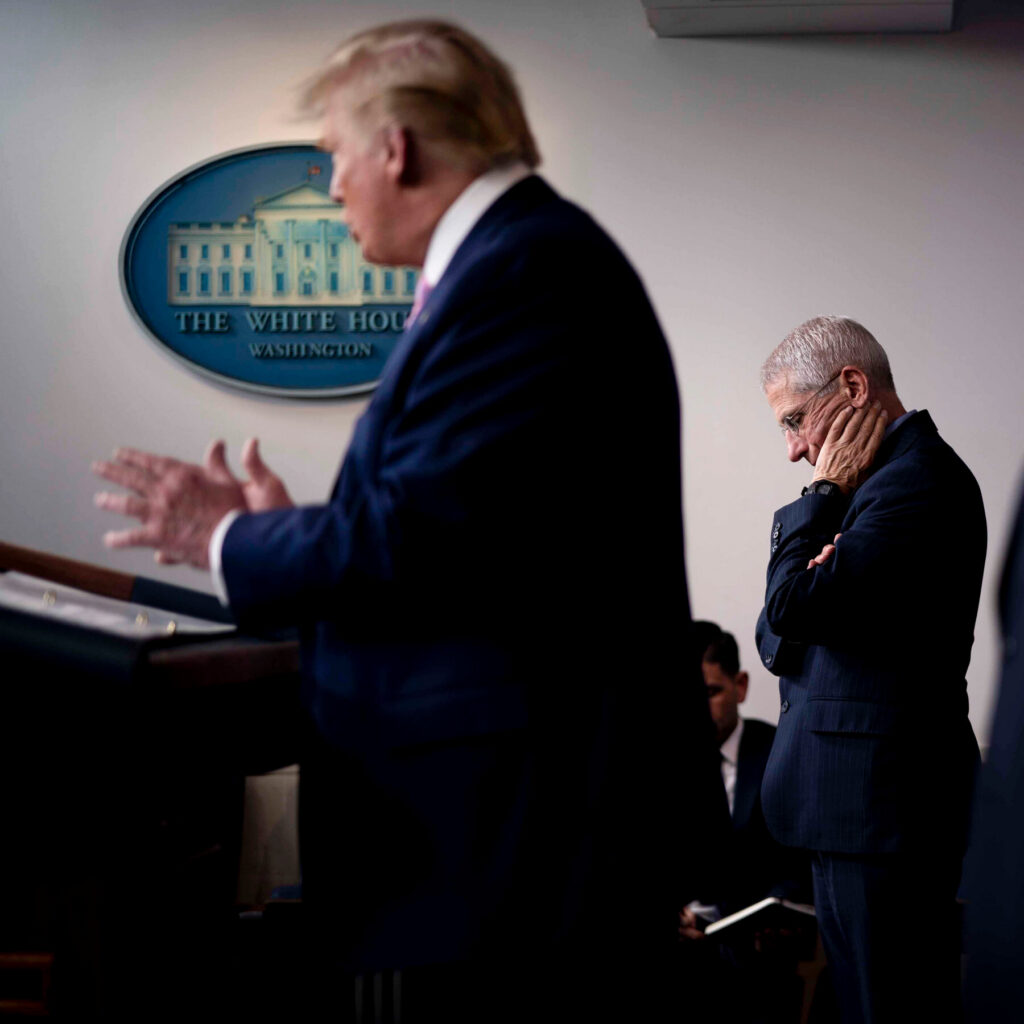
Donald Trump’s political messaging continues to revolve around 2020, a year that defined much of his presidency’s final chapter. Despite the passage of six years, Trump regularly references the coronavirus pandemic and the 2020 presidential election, often disputing the official accounts and outcomes. This fixation is evident in his speeches, interviews, and social media presence, where he revisits claims about election fraud and critiques the handling of the pandemic, particularly targeting figures like Dr. Anthony Fauci.
This approach serves multiple purposes. It allows Trump to energize his base by tapping into unresolved grievances and suspicions about the election and public health measures. It also positions him as a defiant figure resisting what he portrays as a flawed system, reinforcing his outsider image despite his status as a former president. By continually highlighting these issues, Trump keeps his core supporters engaged and maintains a narrative of victimhood and resistance that has been central to his political identity.
Rewriting History: Trump’s Narrative on the Pandemic and Election
Central to Trump’s 2020 narrative is the effort to reshape public perception of the coronavirus pandemic and the election results. He often downplays the severity of the pandemic, criticizes the response led by health officials, and disputes the legitimacy of the 2020 election outcome. This revisionism contrasts sharply with the consensus among public health experts and the judicial rulings that upheld the election results.
By challenging established facts, Trump maintains a narrative that supports his political ambitions and deflects criticism. This strategy also allows him to frame himself as a victim of unfair treatment by the media and political opponents. However, this approach risks alienating voters who prioritize factual accuracy and forward-looking policies. It complicates efforts to unify the country around shared experiences and lessons learned from 2020, potentially deepening political polarization.
Voter Sentiment: Looking Beyond 2020
While Trump remains focused on 2020, many voters express a desire to move past that chapter. Polling and public opinion indicate that a significant portion of the electorate wants candidates to address pressing current issues such as the economy, climate change, healthcare, and national security. For these voters, dwelling on past controversies may seem unproductive or even divisive.
This disconnect highlights a potential challenge for Trump’s campaign strategy. If the electorate prioritizes future-oriented policies and solutions, an emphasis on revisiting 2020 might limit his appeal beyond his core supporters. Political analysts note that successful candidates often balance acknowledging past events with presenting clear plans for the future, recognizing that voters seek leadership that addresses both lessons from history and the demands of the present.
The Strategic Implications for the 2026 Election
As the 2026 election approaches, Trump’s fixation on 2020 could shape the dynamics of the race in significant ways. His continued emphasis on election fraud claims and pandemic critiques might mobilize his loyal base, ensuring strong turnout among his supporters. However, it may also galvanize opposition voters who view his narrative as destabilizing or out of touch with current realities.
Moreover, other candidates in the 2026 race might capitalize on this by focusing on contemporary issues and presenting themselves as agents of change. This contrast could influence voter decisions and campaign strategies across the political spectrum, potentially drawing moderate and undecided voters toward candidates with forward-looking platforms.
Ultimately, Trump’s approach underscores the enduring impact of 2020 on American politics. Whether this focus will translate into electoral success remains uncertain, but it undeniably continues to shape the political conversation and voter engagement leading up to 2026.
Balancing Past and Future: Lessons for Political Messaging
Trump’s persistent return to 2020 offers a case study in the power and risks of anchoring political messaging in a specific historical moment. While revisiting past events can energize a political base and frame ongoing debates, it can also limit broader appeal and hinder progress on current challenges.
For politicians and campaign strategists, the key takeaway is the importance of balancing reflection on the past with a clear vision for the future. Voters often seek leaders who acknowledge history but prioritize solutions that address present and emerging issues. Effective messaging involves connecting past experiences to future goals in a way that unites rather than divides.
As the nation prepares for the 2026 election, this balance will be crucial for candidates aiming to build coalitions and foster unity in a politically polarized environment. Those who can effectively bridge the lessons of 2020 with actionable plans for the future may find greater success in engaging a broad electorate.
What this means
Donald Trump’s enduring focus on 2020 highlights the lasting significance of that year in American political discourse. While this strategy reinforces his connection with loyal supporters, it also presents challenges as many voters look forward to addressing new and ongoing issues. As the 2026 election approaches, the ability of candidates to balance reflection on the past with actionable plans for the future will be critical in shaping voter engagement and the nation’s political trajectory.
Source: For Trump, the Year Is Always 2020 via www.nytimes.com.
This article was curated with AI assistance and reviewed according to Tamfis editorial settings.