
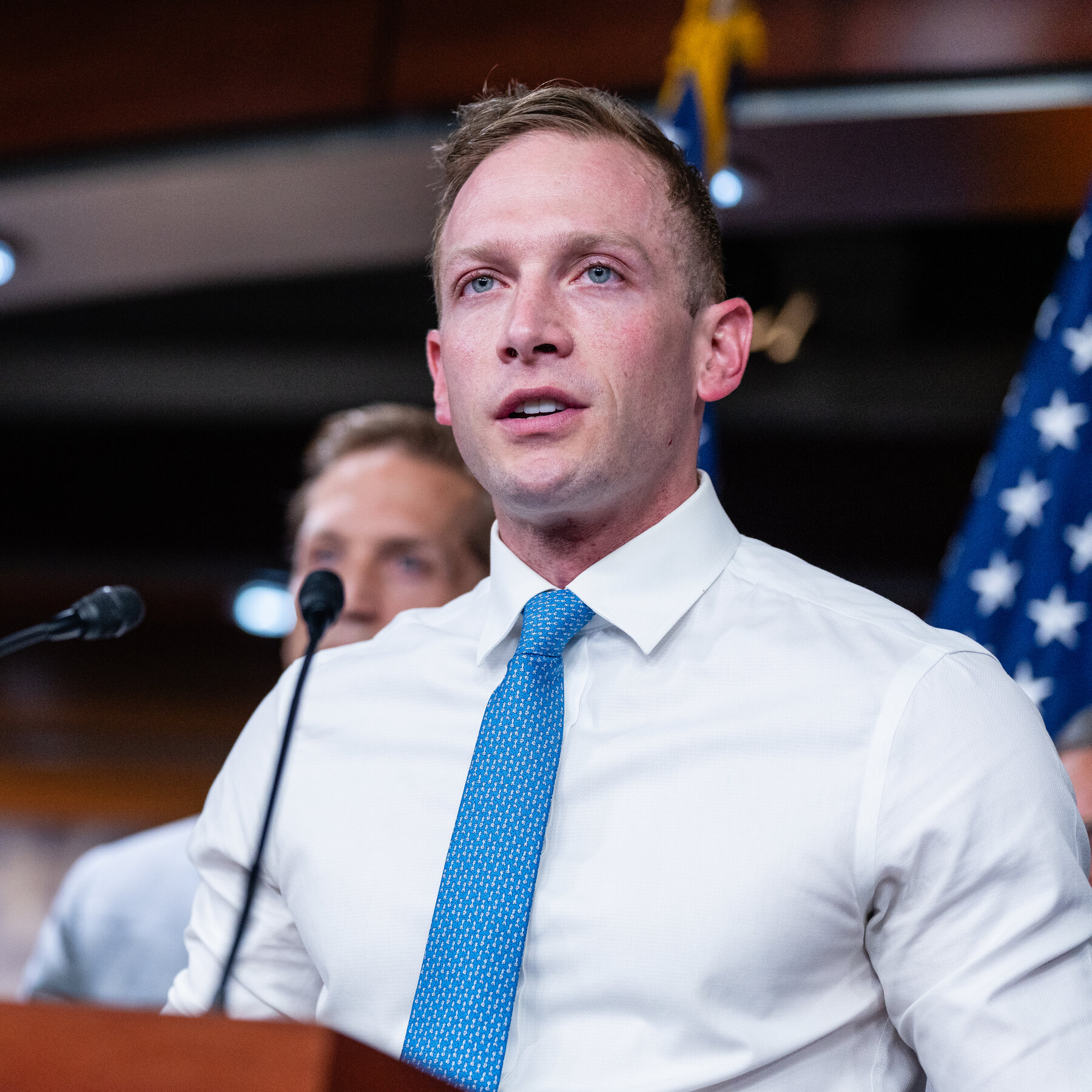
Max Miller, a Republican representative from Ohio, is currently embroiled in a serious controversy involving allegations of domestic abuse. Despite these accusations, Miller has publicly rejected the claims and remains determined to stay on the ballot for his third congressional term. This unfolding situation highlights the increasing scrutiny of elected officials' personal conduct and the challenges political parties face when addressing such allegations. Understanding the details of Miller’s case, its political implications, and the broader context of accountability in politics is essential for voters and observers alike.
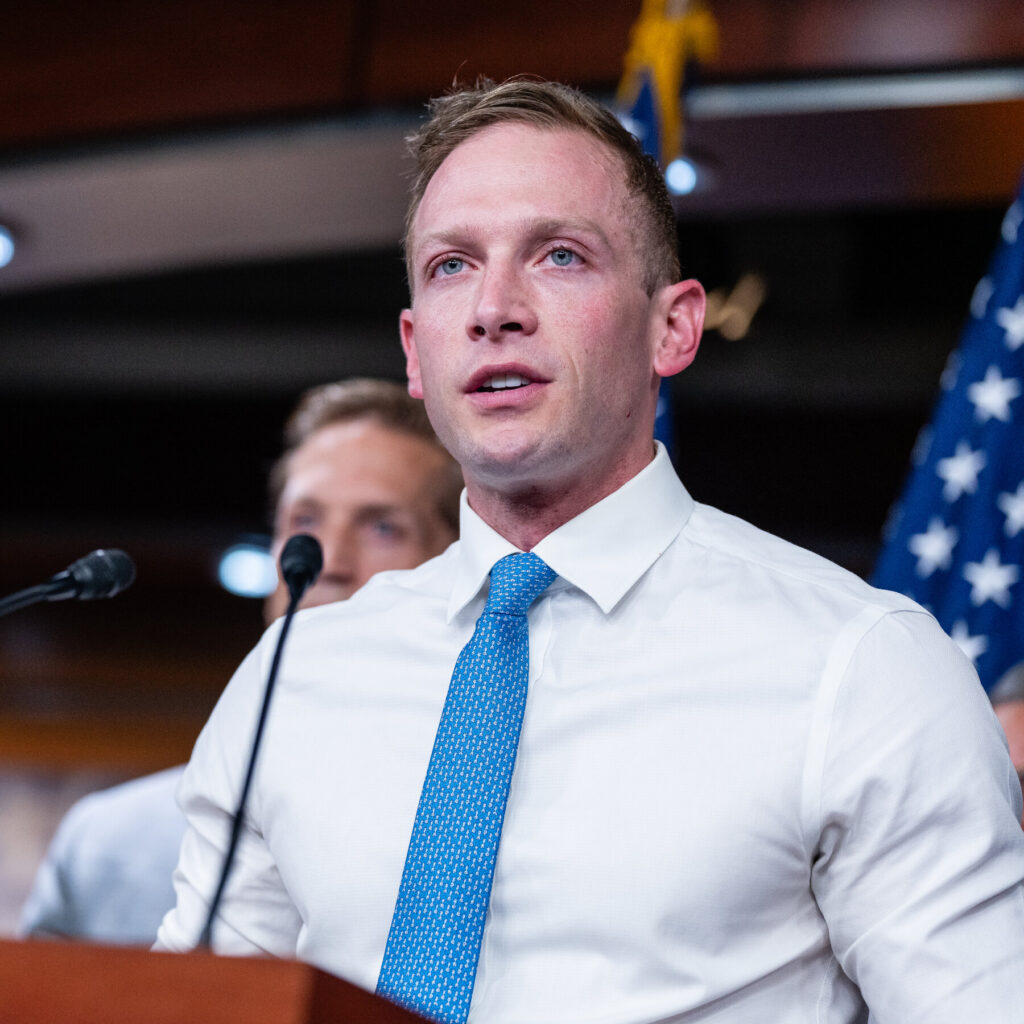
Background on Max Miller and His Political Career
Max Miller has served as a Republican congressman representing an Ohio district for two terms and is now campaigning for a third. Throughout his tenure, Miller has aligned closely with conservative policies and maintained strong connections with prominent figures within the Republican Party. His legislative record includes active participation in key votes and a focus on issues important to his constituents, such as economic development and national security. Miller's political profile has grown steadily, positioning him as a committed party member and legislator with ambitions for continued influence in Congress.
However, Miller’s political journey has recently been overshadowed by serious personal allegations that threaten to disrupt his re-election bid. These developments have introduced new challenges not only for Miller but also for the Ohio Republican Party as they navigate the complexities of candidate support amid controversy. The situation puts a spotlight on how personal conduct can impact political careers and party dynamics, especially in tightly contested races.
Details of the Domestic Abuse Allegations
The allegations against Max Miller involve claims of domestic abuse that surfaced publicly in the weeks leading up to a critical deadline for candidate replacement on the ballot. While specific details of the accusations have not been extensively disclosed in public records, the claims have attracted significant media attention and sparked political debate across Ohio and beyond.
Miller has categorically denied any wrongdoing, asserting his innocence and emphasizing his commitment to his campaign and constituents. The timing of the allegations—so close to the deadline for ballot changes—has intensified scrutiny and complicated the political landscape. This timing raises important questions about the impact of such allegations on voter perception and the potential influence on the election outcome, as well as the challenges parties face in responding swiftly and fairly.
Political and Legal Implications
The domestic abuse allegations against Miller place both him and the Republican Party in a difficult position. Politically, the party must weigh the risks of continuing to support a candidate facing serious accusations against the potential disruption and uncertainty that could arise from replacing him on the ballot so close to the election. Such decisions can influence voter confidence and party unity, especially in competitive districts.
Legally, the situation highlights the complexities involved in addressing personal misconduct claims within the electoral process, especially when such claims emerge late in the campaign cycle. The approaching deadline for candidate replacement adds pressure on party officials and election authorities to make timely decisions that balance fairness, due process, and the integrity of the election. This scenario underscores the tension between legal protections for the accused and the public’s demand for accountability.
This case exemplifies broader challenges at the intersection of law and politics, where allegations of misconduct must be carefully considered without compromising the rights of the accused or the democratic process. It also raises questions about the adequacy of current mechanisms for vetting candidates and managing allegations that arise during campaigns.
Party Response and Voter Impact
To date, the Ohio Republican Party has refrained from publicly demanding Miller’s withdrawal from the race. This stance may reflect confidence in Miller’s denials, strategic calculations about the electoral consequences of replacing him, or a combination of both. The party’s approach illustrates the difficult balance between political pragmatism and ethical considerations when confronting allegations against candidates.
The party’s response has sparked debate among voters, political commentators, and advocacy groups regarding accountability and the ethical responsibilities political parties bear when candidates face serious allegations. For voters, this controversy presents a difficult dilemma: whether to support a candidate under scrutiny or to seek alternative options. The situation highlights the critical importance of transparency and the active role voters must play in holding elected officials accountable, especially when allegations emerge during pivotal moments in the election cycle.
Ultimately, the controversy may influence voter turnout and preferences, as well as shape public discourse about candidate integrity and party values in Ohio and nationally.
Broader Context: Accountability in Politics
Max Miller’s case reflects a broader national conversation about how allegations of personal misconduct should be handled within the political arena. Increasingly, voters and advocacy organizations are demanding higher standards of behavior from public officials, emphasizing the need for accountability and ethical leadership.
Political parties face mounting pressure to respond decisively when such allegations arise, balancing the presumption of innocence with the imperative to maintain public trust. This balancing act is complicated by legal considerations and the timing of allegations, which can affect both the political process and public perception.
The Miller controversy exemplifies these challenges and highlights evolving expectations for political accountability in the United States, underscoring the need for clear, transparent mechanisms to address misconduct claims while respecting legal rights. It also points to the importance of proactive candidate vetting and the development of consistent policies to handle allegations fairly and promptly.
What this means
The controversy surrounding Max Miller underscores the complex intersection of personal conduct, political strategy, and electoral processes. As Miller continues his campaign amid serious allegations, voters and party officials must navigate difficult questions about accountability, fairness, and the integrity of democratic elections. This case highlights the urgent need for transparent and fair mechanisms to address misconduct claims, ensuring that legal principles and the rights of all parties are respected. For Ohio voters, the decision at the ballot box will carry significant weight, reflecting not only on Miller’s political future but also on broader expectations for ethical leadership and accountability in American politics.
Source: Max Miller, Accused of Abuse, Is Not Stepping Aside. Here’s What We Know. via www.nytimes.com.
This article was curated with AI assistance and reviewed according to Tamfis editorial settings.