
Politics
Science vs politics: Kiwi’s long road to EU health-claim approval
In August 2025, Zespri, the world’s largest marketer of kiwifruit, announced that the European Commission had approved what it described as the first health…
TAMFIS NIG LTDRC 8067447CAC ACTIVEFinima, Bonny Island, Rivers State

In recent years, the U.S. military has grappled with policies governing transgender service members, culminating in the establishment of secretive boards tasked with deciding their continued eligibility. These closed-door hearings, shielded from public view and often even from the service members themselves, have become a critical mechanism in enforcing the Pentagon’s stance on transgender troops. With limited access to the inner workings of these panels, understanding their procedures and impact remains challenging. This article delves into the structure and function of these secretive boards, the experiences of those involved, and the broader implications for military policy and transgender rights.
The Pentagon’s approach to managing transgender service members has undergone significant shifts over the past decade, reflecting broader societal debates and political changes. Most recently, the military has established confidential boards tasked with reviewing the status of transgender personnel and often deciding on their discharge. These panels operate entirely behind closed doors, with the criteria for evaluation and the proceedings themselves kept largely undisclosed to both the public and the service members affected.
The creation of these boards is part of a broader effort within the military to enforce policies that restrict transgender participation. Official rationales often cite concerns over military readiness, medical costs associated with gender transition, and unit cohesion. However, the secrecy surrounding these hearings has drawn sharp criticism from advocates and legal experts alike. They argue that the lack of transparency undermines fundamental principles of due process and fairness, leaving service members vulnerable to arbitrary decisions without meaningful recourse.
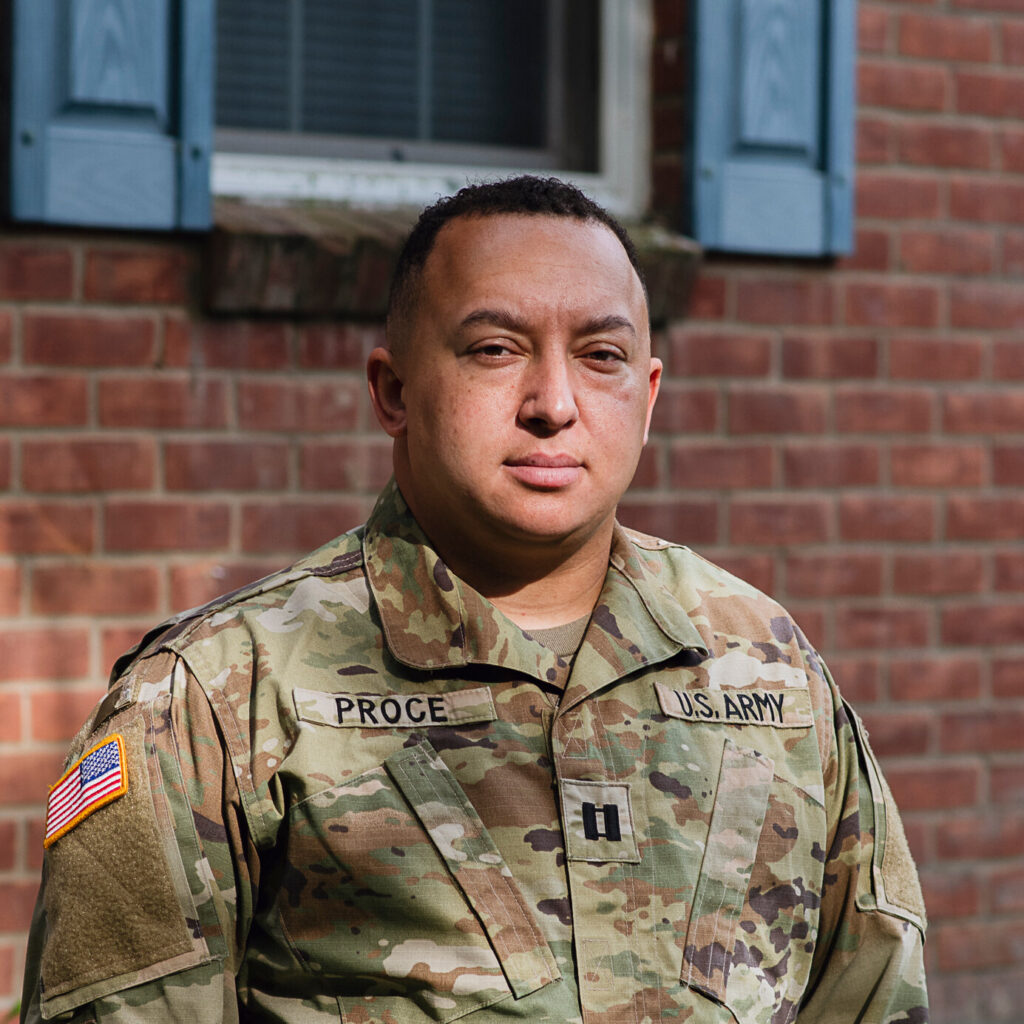
One of the few individuals with direct insight into these proceedings is an Army Reserve lawyer who has observed the boards in action. According to this legal professional, the hearings are tightly controlled environments where service members have limited opportunities to present their cases or challenge the evidence against them. The process is often opaque, with no clear standards guiding decisions, which can appear inconsistent or arbitrary.
The lawyer emphasizes that the absence of public scrutiny means there is little accountability for the boards’ rulings. This lack of oversight raises concerns about potential bias, procedural errors, or decisions influenced by political considerations rather than objective assessments of service members’ qualifications.
Legal challenges have emerged as transgender troops and advocacy groups seek judicial intervention to ensure fair treatment. Courts have been asked to review these secretive practices to uphold constitutional protections such as due process and equal protection under the law. However, the classified nature of the hearings complicates judicial review, limiting the ability of courts to fully assess the fairness of the process or to provide effective remedies.
For transgender troops, the existence of these secretive boards creates an environment fraught with uncertainty and anxiety. Many face the prospect of losing their military careers without fully understanding the specific grounds for dismissal or having a meaningful chance to defend themselves. This lack of transparency exacerbates feelings of vulnerability and powerlessness.
The psychological toll of such opaque proceedings can be profound. Service members often experience heightened stress, isolation, and a sense of marginalization within the military community. The inability to openly discuss or contest the decisions further alienates transgender individuals, undermining their sense of belonging and professional identity.
Beyond the individual consequences, these boards send a broader message about the military’s stance on inclusivity and diversity. The reliance on secretive mechanisms to enforce exclusionary policies undermines efforts to foster a welcoming and supportive environment for all service members, potentially impacting unit cohesion and morale in unintended ways.
The use of closed-door hearings to determine the fate of transgender troops reflects ongoing tensions within military policy between maintaining traditional norms and adapting to evolving social values. Historically, the military has been a site of significant social change, including the integration of racial minorities and the acceptance of openly gay service members. However, the secrecy surrounding these boards suggests resistance to transparency and accountability in the context of transgender service.
This situation raises critical questions about how the military balances operational effectiveness with respect for individual rights. The lack of openness surrounding these hearings may erode trust in military leadership and negatively affect morale among service members, particularly those who identify as LGBTQ+. Trust and cohesion are essential components of military effectiveness, and policies perceived as unjust can undermine these foundations.
Moreover, the treatment of transgender troops in these secretive hearings has implications beyond the military itself. It influences broader public debates about civil rights, equality, and the role of government institutions in protecting marginalized communities. The military’s approach serves as a bellwether for societal attitudes toward transgender individuals and the extent to which institutional policies reflect or resist social progress.
Advocates for transgender rights and military reform have increasingly called for greater transparency in the board proceedings. They argue that open hearings, clear and consistent criteria, and meaningful opportunities for appeal are essential to ensuring fairness and upholding the dignity of service members. Transparency is seen as a necessary step toward restoring trust and accountability within the military justice system.
Some reform proposals include the establishment of independent oversight bodies or the involvement of external legal counsel to safeguard against arbitrary or discriminatory decisions. These measures aim to align military practices with broader legal standards and societal expectations regarding fairness and nondiscrimination.
The Pentagon faces a complex challenge in balancing operational security with the need for openness. While certain personnel matters require confidentiality, excessive secrecy can undermine the legitimacy of the process and the morale of the force. How the military addresses these concerns will shape the future of transgender inclusion in the armed forces and set important precedents for handling sensitive personnel issues.
The secretive boards determining the fate of transgender troops represent a critical juncture in the military’s approach to inclusivity and personnel management. While intended to enforce policy, their lack of transparency and due process risks undermining trust and fairness within the ranks. Moving forward, balancing operational needs with respect for individual rights will require greater openness and accountability. The outcome of this struggle will not only affect transgender service members but also reflect the military’s commitment to evolving social values and justice.
Originally reported by nytimes.com. Adapted for our readers with AI assistance.
Keep reading
Politics
In August 2025, Zespri, the world’s largest marketer of kiwifruit, announced that the European Commission had approved what it described as the first health…
News
By Engr. Tamunofiniarisa BrownReading Time: 6 Minutes The conflict between Russia and Ukraine is often framed in the media as a simple battle between…
Politics
Twenty-five years after the September 11 attacks, the family of Marine Travis Fuller reflects on his death in the Iraq War, grappling with the…
TAMFIS NIG LTD
Electrical and instrumentation engineering, bid preparation and consulting, IT and software.