
News
RUSSIA versus NATO and BRICS vs. NATO Military SWOT
Recall that Poland’s Minister Sikorski’s core claim is partially supported by the numbers, but the framing “quite quickly” and “without the U.S.” does not…
TAMFIS NIG LTDRC 8067447CAC ACTIVEFinima, Bonny Island, Rivers State

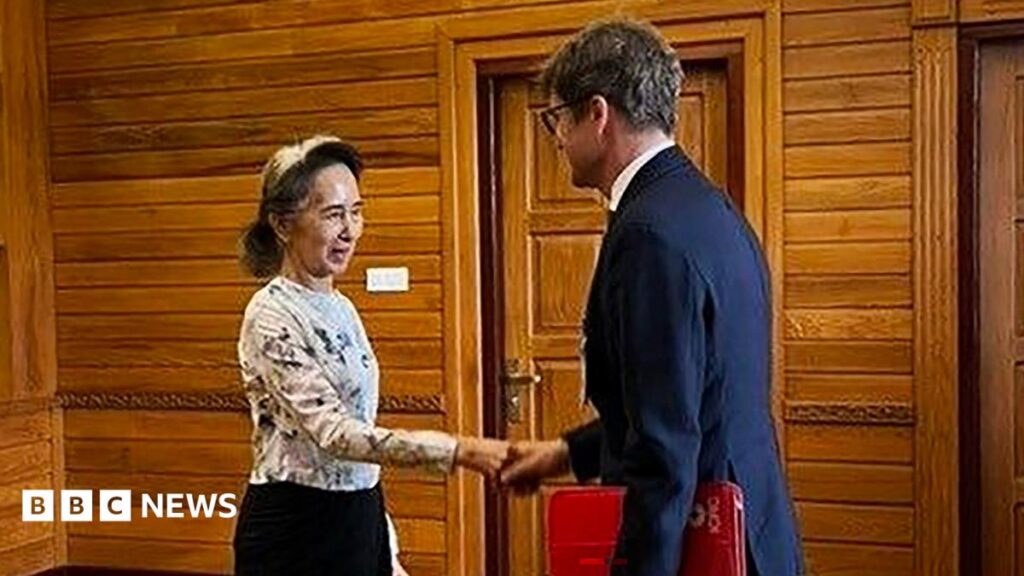
Editor’s note: The following is AI-generated commentary and context on this topic, not original reporting.
The report above, “Aung San Suu Kyi’s First Confirmed Outside Contact in 2.5 Years Signals Potential Shift in Myanmar’s Political Landscape,” sits within a broader set of developments that readers may find useful to understand in more depth. The following context is offered to help place the story within its wider setting.
As reported: “Aung San Suu Kyi’s First Confirmed Outside Contact in 2.5 Years Signals Potential Shift in Myanmar’s Political Landscape…”
Governments often calibrate their public statements carefully, balancing domestic political considerations with the practicalities of international relations. Public opinion in the countries involved can shift quickly in response to major developments, and governments are often acutely aware of how their responses will be perceived. Stories of this kind often sit within broader trends that are not always immediately visible from a single report.
Regional stability in areas experiencing conflict or political tension depends on numerous interlocking factors, including the positions of neighbouring states and major global powers. Sanctions, trade measures, and other economic tools are frequently used by governments as an alternative to direct military or diplomatic intervention. Public interest in stories such as this one reflects broader questions about accountability, safety, or public interest that extend beyond the specific facts of any single event.
Economic ties between nations, including trade and investment relationships, frequently shape how governments respond to political tension involving one another. Humanitarian organisations and international agencies often play a significant role in situations of this kind, providing assistance and independent assessments on the ground. Ongoing coverage from established outlets remains valuable as a story like this develops further.
Regional stability in areas experiencing conflict or political tension depends on numerous interlocking factors, including the positions of neighbouring states and major global powers. Diplomatic statements, including any announcements about negotiations, ceasefires, or policy shifts, are typically provisional until formal agreements are signed or actions are independently confirmed. Governments often calibrate their public statements carefully, balancing domestic political considerations with the practicalities of international relations.
International developments of this nature typically involve a complex web of diplomatic, security, and economic considerations that are not always visible in initial reporting. Public interest in stories such as this one reflects broader questions about accountability, safety, or public interest that extend beyond the specific facts of any single event. Stories of this kind often sit within broader trends that are not always immediately visible from a single report.
Humanitarian organisations and international agencies often play a significant role in situations of this kind, providing assistance and independent assessments on the ground. Governments often calibrate their public statements carefully, balancing domestic political considerations with the practicalities of international relations. Migration-related developments tend to be shaped by a mix of humanitarian, security, and political pressures, with policy responses varying significantly between countries.
Coverage of international conflict and diplomacy often benefits from time, as initial reports are refined and corroborated by multiple independent sources. Economic ties between nations, including trade and investment relationships, frequently shape how governments respond to political tension involving one another. International developments of this nature typically involve a complex web of diplomatic, security, and economic considerations that are not always visible in initial reporting.
International bodies such as the United Nations often play a coordinating role in disputes of this kind, though their influence varies considerably depending on the parties involved. Context and background are often as important as the immediate headline in understanding why a story has resonated with the public. Institutions involved in stories of this kind typically respond through established communication channels rather than informal statements.
Humanitarian organisations and international agencies often play a significant role in situations of this kind, providing assistance and independent assessments on the ground. Governments often calibrate their public statements carefully, balancing domestic political considerations with the practicalities of international relations. Coverage of international conflict and diplomacy often benefits from time, as initial reports are refined and corroborated by multiple independent sources.
Understanding the wider context can help readers form a more complete picture of what is being described. As more information becomes available, the picture described in initial reports often becomes more nuanced. Sanctions, trade measures, and other economic tools are frequently used by governments as an alternative to direct military or diplomatic intervention.
International bodies such as the United Nations often play a coordinating role in disputes of this kind, though their influence varies considerably depending on the parties involved. Institutions involved in stories of this kind typically respond through established communication channels rather than informal statements. Migration-related developments tend to be shaped by a mix of humanitarian, security, and political pressures, with policy responses varying significantly between countries.
As more information becomes available, the picture described in initial reports often becomes more nuanced. Public opinion in the countries involved can shift quickly in response to major developments, and governments are often acutely aware of how their responses will be perceived. Diplomatic statements, including any announcements about negotiations, ceasefires, or policy shifts, are typically provisional until formal agreements are signed or actions are independently confirmed.
Regional stability in areas experiencing conflict or political tension depends on numerous interlocking factors, including the positions of neighbouring states and major global powers. As more information becomes available, the picture described in initial reports often becomes more nuanced. Diplomatic statements, including any announcements about negotiations, ceasefires, or policy shifts, are typically provisional until formal agreements are signed or actions are independently confirmed.
Observers generally advise caution in treating early diplomatic statements as final outcomes, given how frequently negotiating positions shift. International developments of this nature typically involve a complex web of diplomatic, security, and economic considerations that are not always visible in initial reporting. Sanctions, trade measures, and other economic tools are frequently used by governments as an alternative to direct military or diplomatic intervention.
Diplomatic statements, including any announcements about negotiations, ceasefires, or policy shifts, are typically provisional until formal agreements are signed or actions are independently confirmed. Context and background are often as important as the immediate headline in understanding why a story has resonated with the public. Observers generally advise caution in treating early diplomatic statements as final outcomes, given how frequently negotiating positions shift.
Ongoing coverage from established outlets remains valuable as a story like this develops further. Economic ties between nations, including trade and investment relationships, frequently shape how governments respond to political tension involving one another. Public opinion in the countries involved can shift quickly in response to major developments, and governments are often acutely aware of how their responses will be perceived.
As with many fast-moving stories, the fuller picture will likely take time to emerge. Readers are encouraged to follow official statements and established news outlets for verified updates as this situation develops.
Originally reported by bbc.co.uk. Adapted for our readers with AI assistance.
Keep reading
News
Recall that Poland’s Minister Sikorski’s core claim is partially supported by the numbers, but the framing “quite quickly” and “without the U.S.” does not…
News
Thousands of young protesters in Delhi continue to demand education reforms and the resignation of Education Minister Dharmendra Pradhan after a police crackdown. The…
News
Facing a looming financial collapse, Thames Water’s main lenders have offered the UK government a ‘golden share’ and increased local authority involvement to avoid…
TAMFIS NIG LTD
Electrical and instrumentation engineering, bid preparation and consulting, IT and software.