Saudi Arabia Joins US in Strikes on Iran-Backed Militias in Iraq: Implications and Context
In late July 2026, Saudi Arabia and the United States launched coordinated strikes targeting Iran-backed militias within Iraq. These actions follow a series of attacks and counterattacks involving drones, missiles, and naval forces, signaling a renewed and intensified phase of conflict in the Middle East. The involvement of Saudi Arabia alongside the US represents a notable development in regional security dynamics, raising questions about Iraq’s sovereignty, the role of Iran-backed militias, and the broader implications for energy security and international diplomacy.
Saudi Arabia Joins US in Strikes on Iran-Backed Militias in Iraq: Implications and Context
Background: Rising Tensions and Proxy Conflicts
The recent strikes come amid escalating hostilities between the US and Iran, which have been ongoing since early 2026. The conflict centers around Iran's influence in the region, particularly through its support of Shia militias in Iraq, many of which are part of the Popular Mobilisation Forces (PMF). These militias have frequently targeted US personnel and interests, prompting retaliatory strikes.
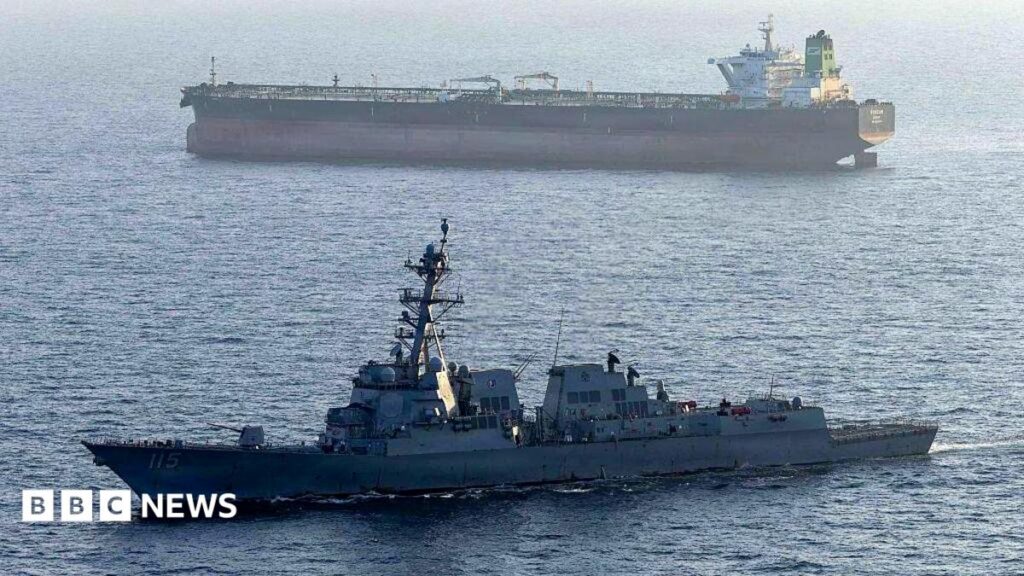
The Strait of Hormuz, a critical chokepoint for global oil shipments, has been a focal point of tension. Iran has repeatedly threatened and attacked vessels transiting the strait, leading the US and its allies to conduct military operations aimed at securing this vital waterway. The recent lull in hostilities was broken by missile attacks launched by Iran against US forces, which were intercepted successfully, triggering the latest US-Saudi response.
Details of the US-Saudi Strikes
US Central Command (Centcom) reported that the strikes targeted multiple logistics and weapons sites linked to Iran’s Islamic Revolutionary Guard Corps (IRGC) and their affiliated militias in eastern Iraq. These sites were identified as bases from which drone attacks had been launched against US forces and Saudi energy infrastructure over the preceding 72 hours.
Saudi Arabia's Ministry of Defence confirmed its participation, citing attacks on oil facilities in the Eastern and Riyadh regions by Iran-backed militias operating from Iraqi territory. Saudi officials emphasized that their actions were defensive and aimed at specific militia targets, underscoring their intent to avoid broader escalation.
The Popular Mobilisation Forces acknowledged significant casualties, reporting at least 20 fighters killed and 32 wounded across several provinces including Baghdad, Wasit, Nineveh, Basra, Kirkuk, Karbala, and Diyala. The PMF condemned the strikes as a violation of Iraqi sovereignty and an escalation of the conflict.
Iran’s Response and Regional Reactions
In retaliation, Iran’s IRGC claimed to have launched missile strikes against US military installations, including an air base and a command center in Jordan. These attacks were described by Iranian officials as responses to US aggression. Additionally, Iran’s naval forces targeted three oil tankers in the Strait of Hormuz, accusing them of violating maritime routes.
Iranian state media denied direct involvement in drone attacks on Saudi Arabia, warning against misattributing such actions to Tehran. This denial highlights the complex proxy nature of the conflict, where Iran’s influence is exerted through allied militias rather than overt state military operations.
The renewed military exchanges coincided with Israeli Prime Minister Benjamin Netanyahu’s visit to Washington, where discussions with US leadership underscored the shared concerns about Iran’s regional ambitions.
Impact on Iraq’s Sovereignty and Security
The strikes have intensified debates about Iraq’s sovereignty, as the country finds itself caught between powerful regional and international actors. The PMF, while officially integrated into Iraq’s security apparatus, operates with significant autonomy and strong ties to Iran, complicating Baghdad’s ability to control militia activities.
The US-Saudi strikes on PMF bases risk further destabilizing Iraq, potentially fueling sectarian tensions and undermining efforts to maintain internal security. Iraqi officials and civilians face the challenge of balancing relations with both the US and Iran while preserving national stability.
Moreover, the repeated targeting of militia infrastructure within Iraq raises concerns about the country becoming a battleground for proxy conflicts, with implications for civilian safety and political cohesion.
Energy Security and Global Economic Implications
The Strait of Hormuz remains a strategic flashpoint due to its role in global oil transportation. The recent attacks on oil tankers and threats to Saudi energy infrastructure have contributed to volatility in oil markets, with Brent crude prices rising notably in early trading following the strikes.
Disruptions in the strait could have far-reaching consequences for global energy supplies, affecting economies worldwide. The involvement of Saudi Arabia, a leading oil producer, in direct military action underscores the linkage between regional security and energy markets.
International stakeholders are closely monitoring the situation, as further escalation could exacerbate supply uncertainties and prompt broader geopolitical realignments.
Prospects for De-escalation and Diplomatic Efforts
Despite the recent surge in hostilities, there have been ongoing reports of negotiations and efforts to reduce tensions, particularly concerning the Strait of Hormuz. However, Iranian officials have publicly denied the existence of formal talks, reflecting the fragile and complex nature of diplomacy in this context.
The involvement of multiple actors—including the US, Saudi Arabia, Iran, Iraq, and Israel—complicates the pathway to de-escalation. Each party has distinct strategic interests and domestic pressures that influence their actions.
Sustained dialogue and confidence-building measures will be crucial to prevent further military confrontations and to address the underlying issues driving the conflict.
What this means
The recent US-Saudi strikes against Iran-backed militias in Iraq represent a critical juncture in the Middle East conflict, highlighting the intricate interplay between military action, regional alliances, and geopolitical interests. While these operations aim to counter threats to US and Saudi security, they also risk deepening instability in Iraq and exacerbating tensions with Iran. The situation remains volatile, with significant implications for regional security, energy markets, and international diplomacy. Moving forward, careful management and renewed diplomatic engagement will be essential to prevent further escalation and to foster a more stable environment in this strategically vital region.
Thousands of young protesters in Delhi continue to demand education reforms and the resignation of Education Minister Dharmendra Pradhan after a police crackdown. The…
Facing a looming financial collapse, Thames Water’s main lenders have offered the UK government a ‘golden share’ and increased local authority involvement to avoid…
Facing record-breaking temperatures and severe drought, Thames Water has introduced a hosepipe ban impacting over 10 million customers across parts of southern England to…