
Business
Nigeria’s Economic Performance: Domestic Debt Rise and Agriculture Trade Shift in Q2 2026
Nigeria's economic landscape in the second quarter of 2026 presents a mixed picture of fiscal press...
TAMFIS NIG LTDRC 8067447CAC ACTIVEFinima, Bonny Island, Rivers State

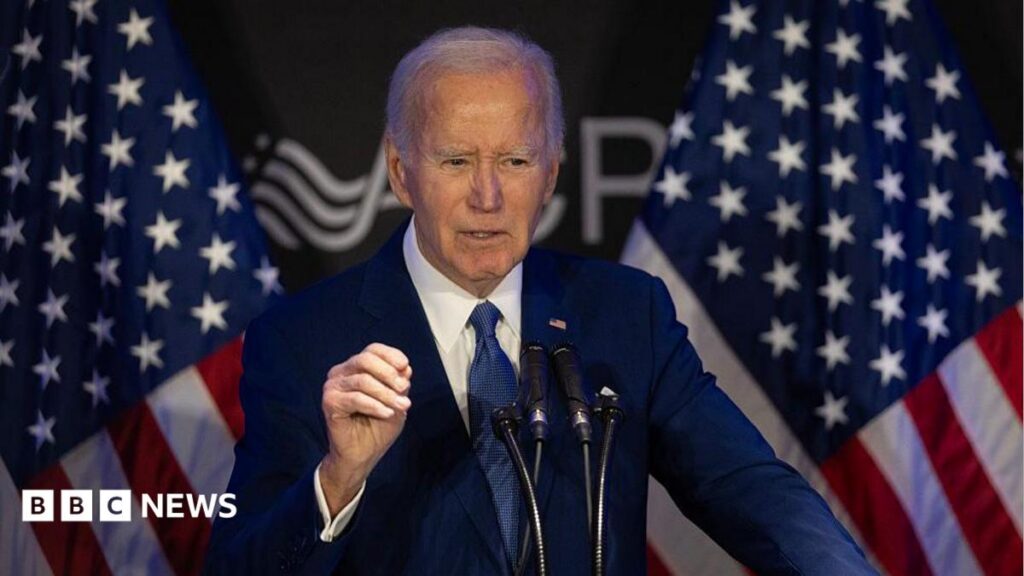
The publication of audio tapes featuring Joe Biden acknowledging he retained classified materials after his vice presidency ended has added a new dimension to ongoing discussions about how former officials manage sensitive government documents. Recorded in early 2017 during the drafting of his memoir, these conversations provide insight into Biden’s awareness of possessing classified information shortly after leaving the Obama administration. While the tapes have been heavily redacted, limiting full disclosure of their content, they confirm that Biden was conscious of holding sensitive materials and took steps to keep them private. This development comes amid broader scrutiny of document retention practices across political lines and raises important questions about consistency in applying legal standards, the balance between national security and public transparency, and the potential for such matters to become politicised. For businesses and consumers observing these events, the situation underscores the importance of robust information governance policies and the reputational risks associated with mishandling confidential data—lessons that extend beyond government into corporate environments where data protection and compliance are paramount.
The audio tapes were recorded in February 2017, one month after Joe Biden completed his tenure as Vice President under President Barack Obama. At that time, Biden was working with ghostwriter Mark Zwonitzer on his memoir, Promise Me, Dad. The recordings capture informal discussions about his experiences in office and personal reflections for the book. One notable excerpt has Biden stating, 'I just found all the classified stuff downstairs,' indicating awareness of possessing sensitive materials stored in his private residence. An earlier recording from October 2016, while Biden was still serving as vice president, reveals him mentioning having 'extensive notes' that the White House was unaware of, suggesting discretion regarding the documents he retained even before leaving office.
The release followed legal actions initiated by House Republicans and the conservative nonprofit Oversight Project, which sued to compel the Justice Department to release the tapes withheld amid a 2024 investigation into Biden’s handling of classified documents. Throughout 2024, the Justice Department declined to make the tapes public, citing investigative integrity. Biden’s legal team initially resisted disclosure via a May 2024 lawsuit but withdrew opposition after losing key court rulings that found no executive privilege protection. The White House characterised the release as politically motivated, with spokesperson TJ Ducklo describing it as Justice Department 'weaponisation' for partisan advantage—a claim Republicans reject, arguing for transparency and accountability in classified information handling by public officials.
Although the released recordings span over two hours, significant redactions limit full comprehension. These omissions, implemented by the Justice Department prior to release, have drawn criticism from Republican House Oversight Committee members who argue they obscure context about whether Biden disclosed or mishandled classified information. The selective removal makes it difficult to determine the complete nature of Biden’s remarks, including whom he spoke with, the full extent of his knowledge, or any actions regarding storage or handling. Despite limitations, unredacted portions confirm Biden acknowledged possessing classified materials and sought to keep them private—a central fact in the debate. The redactions highlight tension between the public’s right to information and legitimate concerns about national security, investigative integrity, and protection of sensitive sources and methods.
Special Counsel Robert Hur obtained and reviewed the tapes as part of his 2023-2024 investigation into Biden’s retention of classified documents. After examining recordings alongside other evidence, Hur concluded Biden improperly retained classified materials after leaving the vice presidency—aligning with tape acknowledgments—but determined not to recommend criminal charges. This decision was based on lack of intent to break the law, cooperation with investigators, and assessment that a jury might view Biden sympathetically as an elderly man with memory difficulties who did not act with malicious intent. Hur’s report emphasised that not prosecuting was not a judgment on appropriateness of Biden’s actions, but a legal determination that evidence did not meet criminal prosecution threshold under the circumstances. This contrasts with the case of former President Donald Trump, who faced charges for retaining classified documents at Mar-a-Lago (later dropped after document return), fueling partisan debates about equal application of the law.
The Biden tape controversy underscores challenges in managing classified information when officials transition out of government service. It highlights the need for clear, consistently applied protocols governing review, return, and secure handling of classified materials upon departure from office—protocols that should apply regardless of political affiliation or seniority. For public and private organisations, the episode reinforces information governance principles: maintaining accurate inventories of sensitive data, conducting exit procedures verifying return or proper disposition of confidential materials, and fostering a culture where employees understand ongoing data protection responsibilities after leaving roles. In an era of data breaches and insider threats, robust information lifecycle management is a critical component of organisational resilience, not merely compliance. The situation also illustrates how document control lapses can become politicised, undermining public trust and distracting from substantive policy discussions—underscoring why preventive measures and transparent oversight are essential for maintaining credibility.
The release of Joe Biden’s 2017 audio tapes has added a tangible element to the ongoing national conversation about how former officials manage classified information after leaving public office. While the recordings confirm his awareness of retaining sensitive materials, the legal determination not to pursue charges reflects a nuanced assessment of intent, context, and prosecutorial standards—factors that often distinguish administrative shortcomings from criminal conduct. What remains clear is the necessity of having reliable, consistently enforced systems for tracking and securing classified and sensitive data throughout its lifecycle, particularly during personnel transitions. For organisations observing these developments, the takeaway is reinforcing internal controls: knowing what information employees hold, ensuring its proper return or deletion when roles end, and maintaining a culture where data protection is understood as an ongoing responsibility. In an environment where information is both a vital asset and a potential liability, strong governance practices help protect organisational integrity, preserve trust, and reduce the risk that lapses become sources of avoidable conflict or reputational harm.
Originally reported by bbc.co.uk. Adapted for our readers with AI assistance.
Keep reading
Business
Nigeria's economic landscape in the second quarter of 2026 presents a mixed picture of fiscal press...
Business
Liverpool manager Andoni Iraola is confronting a significant selection headache as two key forwards, Cod...
News
Health News tamfitronics [Editor’snote:[Editor’snote: This transcript was generated using both transcription ...
TAMFIS NIG LTD
Electrical and instrumentation engineering, bid preparation and consulting, IT and software.