
Business
Nigeria’s Economic Performance: Domestic Debt Rise and Agriculture Trade Shift in Q2 2026
Nigeria's economic landscape in the second quarter of 2026 presents a mixed picture of fiscal press...
TAMFIS NIG LTDRC 8067447CAC ACTIVEFinima, Bonny Island, Rivers State

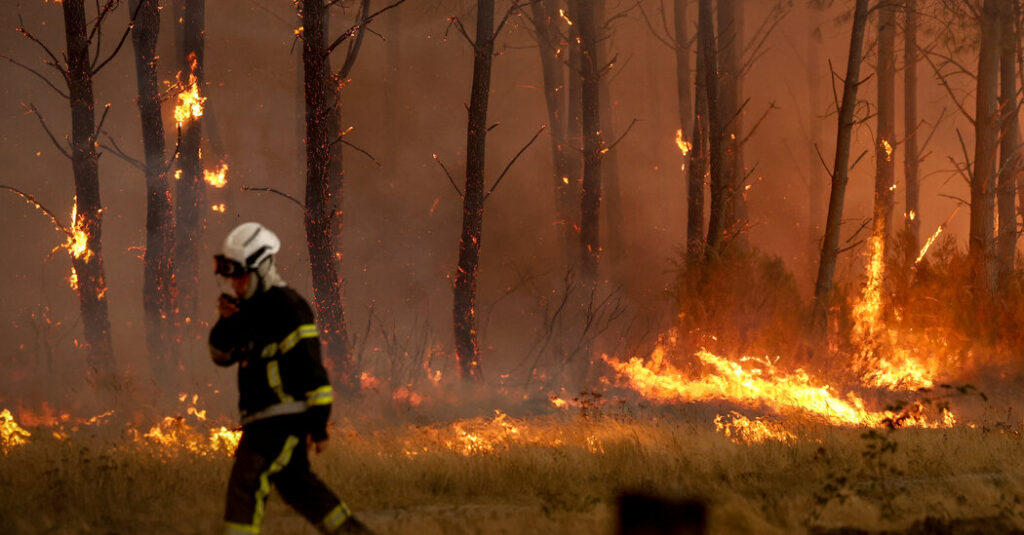
In the summer of 2026, France and Spain are grappling with the most severe wildfire season in their recent history. Fueled by prolonged heat waves and parched vegetation, the fires have devastated communities, forced mass evacuations, and challenged firefighting efforts across the region. This article explores the factors driving the crisis, the unique challenges posed by the fires, and the response measures underway to protect lives and property.
This year, France and Spain have witnessed a wildfire season unlike any other in their modern history. Thousands of firefighters, military personnel, and volunteers have been mobilized to combat the rapidly spreading blazes. The fires have destroyed hundreds of homes and forced more than 300,000 people to evacuate, underscoring the scale and severity of the crisis.
The intensity and frequency of these wildfires are closely linked to a series of successive heat waves that have scorched the region for weeks. These extreme temperatures have dried out vegetation, creating ideal conditions for fires to ignite and spread rapidly. The combination of dry fuels and strong winds has made containment efforts particularly challenging.
One of the most alarming aspects of this wildfire season has been the formation of pyrocumulonimbus clouds—massive fire-generated storm systems. These 'fire clouds' are created by the intense heat from the wildfires, which causes air to rise rapidly and condense moisture into towering storm clouds.
Officials in France reported encountering pyrocumulonimbus clouds for the first time, particularly in the Gironde region, which has been hardest hit. These clouds can produce erratic and strong winds, lightning, and even fire tornadoes, all of which can accelerate the spread of wildfires and complicate firefighting operations.
The emergence of such phenomena highlights the complex interplay between wildfires and weather, emphasizing the need for advanced monitoring and adaptive response strategies.
The human toll of the wildfires has been significant. More than 300,000 residents across France and Spain have been forced to evacuate their homes to escape the advancing flames. In regions like Gironde near Bordeaux and areas surrounding Madrid, entire communities have been displaced, creating urgent humanitarian needs.
Individuals like Guillaume Bos, who lives near Bordeaux, illustrate the personal struggles faced during this crisis. While his wife and son evacuated, Bos chose to stay behind in an effort to protect his home, reflecting the difficult decisions many residents confront amid the chaos.
The evacuation efforts have been complicated by the scale of the fires and the speed at which they spread. Authorities have had to coordinate large-scale movements while ensuring safety and access to emergency services.
Firefighters and emergency responders are working around the clock to contain the blazes. The collaboration between thousands of firefighters, military troops, and volunteers underscores the massive mobilization required to address this crisis.
Overnight improvements in weather conditions have provided some relief, allowing responders to slow the fire’s advance near major cities such as Madrid and Bordeaux. However, forecasters warn that a new wave of intense heat and strong winds is expected, which could reignite and intensify the fires.
The challenging terrain, combined with the unpredictable behavior of the fires fueled by pyrocumulonimbus clouds, has made containment efforts complex. Fire crews are employing a variety of tactics, including aerial water drops, creating firebreaks, and conducting controlled burns where possible.
The severity of this wildfire season raises broader questions about climate change and its impact on wildfire frequency and intensity in Europe. Prolonged heat waves and drought conditions are becoming more common, increasing the risk of similar disasters in the future.
Experts emphasize the importance of enhancing early warning systems, investing in firefighting infrastructure, and adopting land management practices that reduce fuel loads. Public awareness campaigns and community preparedness are also critical to minimizing human and economic losses.
While immediate firefighting and evacuation efforts remain the priority, long-term strategies will be essential to build resilience against increasingly severe wildfire seasons.
The wildfires ravaging France and Spain in 2026 represent a stark reminder of the growing challenges posed by climate change and extreme weather. As communities face displacement and destruction, coordinated emergency responses have been vital to mitigating immediate harm. However, this season also underscores the necessity for Europe to enhance its wildfire preparedness and resilience in the face of increasingly severe natural disasters. Addressing these challenges will require sustained investment, innovation, and public engagement to protect lives and landscapes in the years ahead.
Originally reported by nytimes.com. Adapted for our readers with AI assistance.
Keep reading
Business
Nigeria's economic landscape in the second quarter of 2026 presents a mixed picture of fiscal press...
Business
Liverpool manager Andoni Iraola is confronting a significant selection headache as two key forwards, Cod...
News
Health News tamfitronics [Editor’snote:[Editor’snote: This transcript was generated using both transcription ...
TAMFIS NIG LTD
Electrical and instrumentation engineering, bid preparation and consulting, IT and software.