
News
RUSSIA versus NATO and BRICS vs. NATO Military SWOT
Recall that Poland’s Minister Sikorski’s core claim is partially supported by the numbers, but the framing “quite quickly” and “without the U.S.” does not…
TAMFIS NIG LTDRC 8067447CAC ACTIVEFinima, Bonny Island, Rivers State

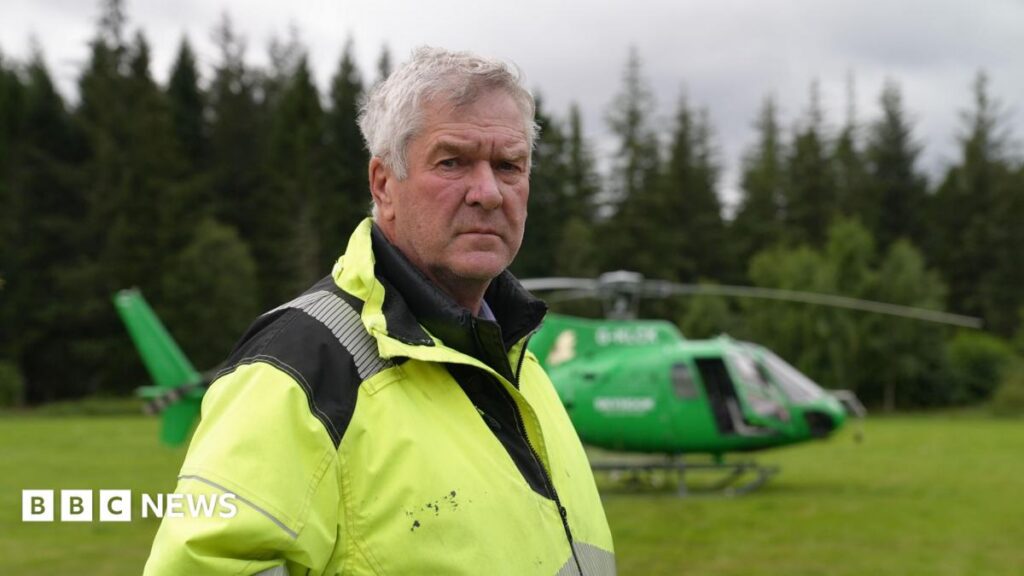
The Cairngorms, known for their breathtaking landscapes and rich biodiversity, have recently faced a series of wildfires that have threatened both natural habitats and local communities. Residents have expressed frustration over what they describe as a 'too slow' response from emergency services and authorities. This article explores the complexities behind wildfire management in the Cairngorms, examines the challenges faced by responders, and highlights the voices of residents demanding more efficient action. Understanding these dynamics is crucial for improving future wildfire preparedness and response.
The Cairngorms National Park, spanning over 4,500 square kilometers, is one of the largest protected areas in the UK. Known for its unique flora and fauna, the park is also vulnerable to wildfires, especially during dry and windy conditions. Wildfires in this region have historically been sporadic but have increased in frequency and intensity in recent years due to climate change and human activities.
Typically, wildfires in the Cairngorms start due to accidental human causes, such as discarded cigarettes or uncontrolled campfires, but natural factors like lightning strikes also contribute. The park’s vast peatlands and heathlands, while ecologically valuable, can become highly flammable during dry spells, making fire outbreaks particularly destructive.
The increasing number and scale of wildfires have raised concerns among conservationists and residents alike. The sensitivity of the ecosystem combined with the proximity of human settlements has made wildfire management a pressing issue, necessitating efficient response strategies and community engagement.
Local residents have reported that wildfire response teams often arrive too late to effectively contain fires before they spread. Many have criticized the coordination between different emergency services, citing delays that have allowed fires to grow uncontrollably. These concerns have been amplified by social media posts and community meetings where residents share firsthand experiences.
Some residents argue that the remoteness of certain areas within the Cairngorms contributes to slower response times. Access difficulties, limited road infrastructure, and communication challenges in rugged terrain hinder rapid deployment of firefighting units. This has led to calls for improved logistical planning and resource allocation tailored to the park’s unique geography.
Additionally, there is frustration over the perceived lack of proactive measures such as early fire detection systems and community wildfire education programs. Residents feel that more investment in preventive measures and quicker mobilization could significantly reduce wildfire damage and improve safety.
Emergency responders in the Cairngorms face multiple challenges when tackling wildfires. The vast and rugged landscape limits the accessibility of firefighting equipment and personnel. Many areas can only be reached by foot or specialized vehicles, which slows down initial response efforts and complicates containment.
Weather conditions such as strong winds and low humidity exacerbate wildfire behavior, making it difficult for firefighters to predict fire spread and deploy resources effectively. These natural factors often lead to rapid fire escalation, requiring quick decision-making under pressure.
Furthermore, limited funding and resource constraints impact the readiness and capacity of local fire services. Budget limitations restrict the availability of firefighting aircraft, modern detection technologies, and trained personnel, which are critical for timely wildfire suppression in remote regions like the Cairngorms.
Climate change has been identified as a key factor contributing to longer dry seasons and higher temperatures in the Cairngorms, creating conditions conducive to wildfires. Warmer summers and reduced rainfall dry out vegetation, turning peatlands and heather into tinderboxes vulnerable to ignition.
Scientific studies indicate that the frequency and intensity of wildfires in Scotland could rise significantly if current climate trends continue. This raises urgent questions about how to adapt wildfire management strategies to this evolving risk landscape.
The increased wildfire risk due to climate change underscores the necessity for enhanced monitoring, early warning systems, and community resilience programs. Without addressing these environmental shifts, the Cairngorms and similar regions may face more frequent and severe wildfire events in the future.
Wildfires in the Cairngorms have profound impacts on local communities, including threats to homes, livelihoods, and public health. Smoke from fires can cause respiratory issues, while evacuations and property damage disrupt daily life and economic activities, especially tourism and agriculture.
Ecologically, wildfires damage sensitive habitats, threaten endangered species, and alter the landscape for decades. Peatland fires are particularly concerning due to their role in carbon storage; burning peat releases significant amounts of greenhouse gases, contributing further to climate change.
The cumulative environmental degradation from repeated wildfires also affects water quality and soil stability, increasing the risk of erosion and flooding. Protecting the Cairngorms’ natural heritage requires balancing wildfire suppression with sustainable land management practices.
In response to public outcry, government agencies have acknowledged the need to improve wildfire response in the Cairngorms. Efforts include increasing funding for firefighting resources, enhancing inter-agency coordination, and investing in new technologies like satellite fire detection and drone surveillance.
The Scottish Fire and Rescue Service has also launched community engagement initiatives aimed at raising awareness about wildfire prevention and preparedness. These programs encourage residents to take proactive steps such as creating defensible spaces around properties and reporting fire risks promptly.
Despite these measures, some critics argue that progress has been too slow and that more comprehensive strategies are needed. Calls for a dedicated wildfire management plan specific to the Cairngorms highlight the demand for tailored solutions that address the region’s unique challenges.
Emerging technologies offer promising tools for enhancing wildfire response in the Cairngorms. Remote sensing through satellites and drones enables faster detection of fires and real-time monitoring of fire behavior, allowing responders to allocate resources more efficiently.
Artificial intelligence and predictive modeling are being developed to forecast wildfire risks based on weather patterns, vegetation dryness, and historical data. These innovations could improve early warning systems, enabling preemptive action to mitigate fire outbreaks.
Investing in these technologies, alongside training and infrastructure upgrades, is crucial for future preparedness. Collaboration between government agencies, scientific institutions, and local communities will be key to integrating these advancements into effective wildfire management frameworks.
Local communities in the Cairngorms have started organizing volunteer fire watch groups and educational workshops to supplement official efforts. These grassroots initiatives foster greater vigilance and empower residents to respond quickly when wildfires occur.
Experts recommend enhancing community resilience by promoting fire-safe landscaping, improving communication networks, and establishing clear evacuation plans. Collaborative planning between authorities and residents is essential to ensure coordinated and timely responses.
Ultimately, strengthening wildfire response in the Cairngorms requires a multi-faceted approach that combines technology, policy reform, community engagement, and environmental stewardship. Residents’ voices must remain central in shaping solutions that protect both people and nature.
The concerns raised by Cairngorm residents about the slow wildfire response highlight critical challenges in managing fires within this unique and vulnerable landscape. While emergency services are making strides to improve coordination and adopt new technologies, the complexity of the terrain, limited resources, and evolving climate conditions demand sustained and adaptive strategies. Empowering local communities, investing in advanced detection systems, and prioritizing proactive prevention are key to mitigating wildfire risks effectively. Protecting the Cairngorms’ natural heritage and safeguarding its residents requires a unified commitment from government bodies, emergency responders, and the public. Only through collaborative and innovative efforts can the region hope to respond swiftly and decisively to future wildfire threats.
Originally reported by bbc.co.uk. Adapted for our readers with AI assistance.
Keep reading
News
Recall that Poland’s Minister Sikorski’s core claim is partially supported by the numbers, but the framing “quite quickly” and “without the U.S.” does not…
News
Thousands of young protesters in Delhi continue to demand education reforms and the resignation of Education Minister Dharmendra Pradhan after a police crackdown. The…
News
Facing a looming financial collapse, Thames Water’s main lenders have offered the UK government a ‘golden share’ and increased local authority involvement to avoid…
TAMFIS NIG LTD
Electrical and instrumentation engineering, bid preparation and consulting, IT and software.