
Business
Nigeria’s Economic Performance: Domestic Debt Rise and Agriculture Trade Shift in Q2 2026
Nigeria's economic landscape in the second quarter of 2026 presents a mixed picture of fiscal press...
TAMFIS NIG LTDRC 8067447CAC ACTIVEFinima, Bonny Island, Rivers State

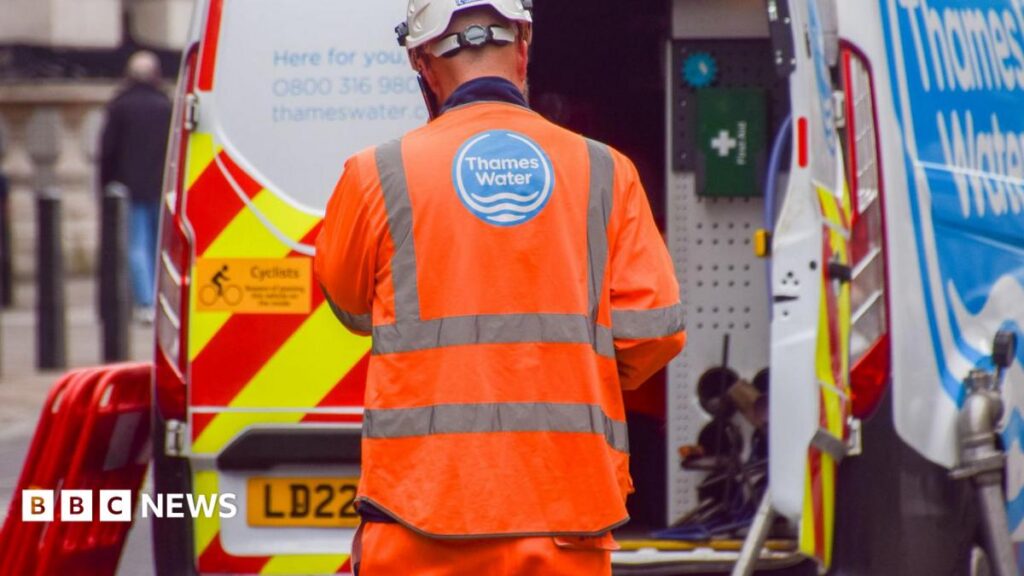
Thames Water, the utility serving 16 million customers across London and the Thames Valley, is racing against a November cash crunch that could force it into administration. After the government rejected a £10 billion lender-led rescue in June for offering insufficient consumer and environmental safeguards, the company's creditors have returned with a restructured proposal built around a golden share that would hand ministers veto power over strategic decisions and a deeper role for local authorities inspired by the United Utilities–Greater Manchester partnership.
Thames Water has warned it could run out of cash by November 2024, a timeline that has concentrated minds across Whitehall, the City and the regulator Ofwat. The company carries a debt pile in excess of £14 billion and was fined a record £122.7 million last year for repeated sewage spills and excessive shareholder distributions. That penalty crystallised long-standing concerns about governance and environmental compliance, making any rescue politically toxic unless it demonstrably protects bill-payers and rivers alike. The financial strain has been exacerbated by years of underinvestment in aging infrastructure, with leaks and pollution incidents drawing increasing public criticism and regulatory scrutiny. This perfect storm of debt, environmental failures, and eroding public trust has pushed the company to the brink, necessitating urgent intervention to prevent service disruption for millions of households.
The London & Valley Water consortium's initial £10 billion package proposed writing off nearly half of Thames Water's debt and injecting fresh equity. In return, lenders sought leniency on future pollution fines — a clause that then-environment secretary Emma Reynolds described as 'insufficient protection for consumers and the environment'. The rejection in June left the utility in limbo, with administration and nationalisation both live possibilities. Critics argued the deal prioritised creditor returns over public interest, failing to address systemic issues in water management and environmental stewardship. This misalignment between financial restructuring and societal expectations doomed the proposal, highlighting the growing demand for utility rescues that balance solvency with sustainability and accountability.
The revised offer keeps the £10 billion headline figure but adds 'hundreds of millions' in new funding and two structural innovations. First, a golden share for the government — a single special share carrying veto rights over material decisions such as dividend policy, asset disposals and changes to the licence. Second, a formalised role for local authorities, modelled on the United Utilities arrangement with Greater Manchester that Andy Burnham championed during his mayoralty. The consortium argues the package delivers 'material improvements' over its predecessor and requires zero taxpayer capital. This enhanced funding commitment aims to address immediate liquidity needs while the governance reforms seek to rebuild public trust. By tying financial support to measurable improvements in environmental performance and consumer outcomes, lenders hope to demonstrate that private sector efficiency can coexist with strengthened public oversight.
The proposal's timing is no coincidence. Since becoming Prime Minister, Burnham has used his inaugural speech to argue for expanded public control of essential infrastructure. His Greater Manchester model — where the combined authority holds a strategic stake and scrutiny powers over United Utilities — is explicitly cited by lenders as the template. By offering a golden share and local authority seats at the table, the consortium is speaking the new administration's language while stopping short of full nationalisation. Burnham's advocacy for 'public value' over pure profit maximisation in utilities has reshaped expectations for private operators, creating political space for innovative governance structures that retain private management while enhancing democratic accountability. This ideological shift represents both an opportunity and a challenge for Thames Water's lenders, who must prove their proposal delivers genuine public benefit rather than merely cosmetic concessions.
If ministers spurn the revised deal, nationalisation becomes the default path. Lenders have signalled they would pursue full repayment of outstanding debts, a bill that industry analysts estimate could run into multiple billions of pounds. Precedents such as the Railtrack and Bulb Energy resolutions suggest the Treasury would ultimately absorb the cost, either directly or through a special administration regime. Either route carries significant fiscal risk at a time when public finances are already stretched. Historical analysis indicates that utility nationalisations often reveal hidden liabilities and require substantial investment to bring infrastructure up to standard, potentially transforming what initially appears as a debt assumption into a far more expensive long-term commitment for taxpayers.
Throughout the corporate drama, Ofwat and the Department for Environment, Food and Rural Affairs have stressed that household water and sewerage services will continue uninterrupted. The Water Industry Act 1991 and subsequent licence modifications ensure that a special administration order would keep taps running and toilets flushing while a long-term solution is negotiated. For the 16 million people in Thames Water's supply area, the immediate practical impact remains nil. This service continuity is maintained through regulatory ring-fencing that separates operational entities from parent company finances, ensuring that essential services remain insulated from corporate insolvency proceedings. Customers should experience no change in water quality, pressure, or billing arrangements during the resolution process, although long-term service improvements may depend on the eventual ownership structure.
The Thames Water saga is being watched closely by investors in other regulated sectors — energy networks, rail, telecoms — where high leverage and environmental performance are also under scrutiny. A golden share mechanism, if adopted, could become a template for future rescues, offering governments a middle ground between hands-off regulation and full state ownership. It also raises questions about the sustainability of the current regulatory asset base (RAB) model when debt levels and environmental obligations diverge sharply. The case underscores a growing tension between the financial engineering that has characterized utility ownership for decades and the increasing public demand for environmental responsibility and democratic oversight. How this balance is struck may well determine the future configuration of Britain's critical infrastructure landscape.
The golden share proposal represents a pragmatic attempt to thread the needle between private capital discipline and democratic accountability in a sector where failure is not an option. Whether ministers accept it will signal how the new government intends to manage the inevitable stresses in other highly leveraged, environmentally exposed utilities. For shoppers and business consumers, the immediate takeaway is stability: bills will keep arriving, water will keep flowing, but the governance framework surrounding one of Britain's most critical infrastructure assets is being rewritten in real time. This evolving situation may well establish important precedents for how essential services navigate the complex intersection of financial viability, environmental stewardship, and public accountability in an era of heightened scrutiny and changing expectations about the role of private enterprise in delivering public goods.
Originally reported by bbc.co.uk. Adapted for our readers with AI assistance.
Keep reading
Business
Nigeria's economic landscape in the second quarter of 2026 presents a mixed picture of fiscal press...
Business
Liverpool manager Andoni Iraola is confronting a significant selection headache as two key forwards, Cod...
News
Health News tamfitronics [Editor’snote:[Editor’snote: This transcript was generated using both transcription ...
TAMFIS NIG LTD
Electrical and instrumentation engineering, bid preparation and consulting, IT and software.

