
Business
Nigeria’s Economic Performance: Domestic Debt Rise and Agriculture Trade Shift in Q2 2026
Nigeria's economic landscape in the second quarter of 2026 presents a mixed picture of fiscal press...
TAMFIS NIG LTDRC 8067447CAC ACTIVEFinima, Bonny Island, Rivers State

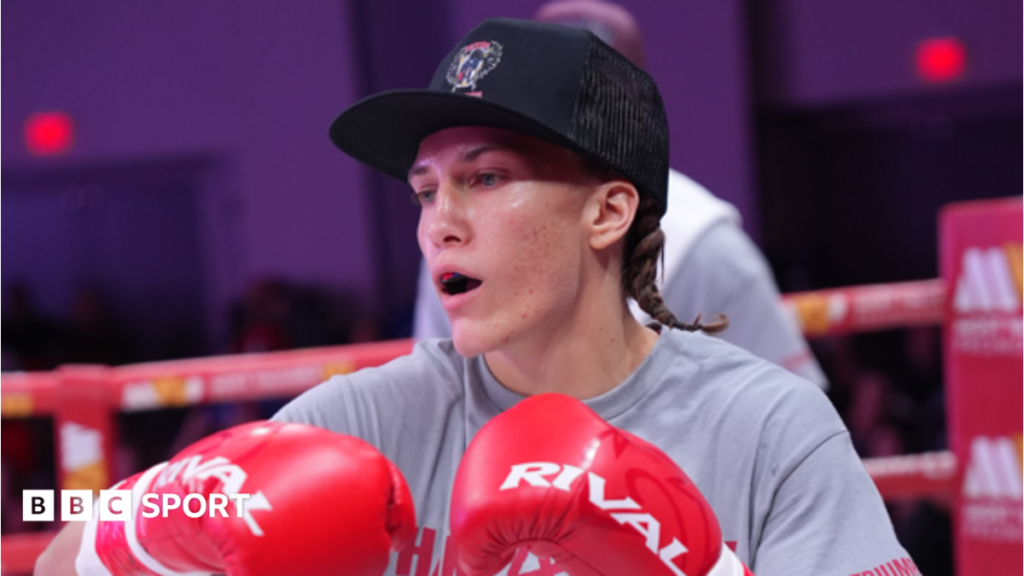
The boxing community is mourning the loss of Hannah Rapp, a 26-year-old American professional boxer who died after being struck by a car while cycling in Texas. Rapp, who turned professional in 2024 while working full-time as a fire and life safety inspector, had quickly risen through the ranks, challenging for the WBC women's featherweight title in June 2024. Her untimely death has prompted an outpouring of tributes from fellow athletes, promoters, and governing bodies, while also reigniting critical conversations about road safety for cyclists and the legal processes that follow such fatalities.
Hannah Rapp's journey in boxing began after a background in athletics, leading her to turn professional in 2024. Despite maintaining a demanding full-time job as a fire and life safety inspector, she pursued her boxing career with dedication, compiling an impressive 8-1-1 record in her short professional tenure. Her most notable bout came in June 2024 when she challenged Tiara Brown for the WBC women's featherweight championship in Orlando. Although she lost the fight, her performance earned widespread respect, with Brown later describing Rapp as 'the best dance partner I have ever faced as a pro.' This acknowledgment from a world champion underscored the high regard in which Rapp was held within the sport.
Her promoter, Most Valuable Promotions, emphasized the lasting impact she made on everyone she met, highlighting not just her athletic ability but her character. Rapp's commitment to balancing a professional career with elite-level boxing resonated with many in the sport, embodying the determination and work ethic admired in boxing circles. Her sudden passing has left a void felt deeply by those who knew her personally and professionally.
The outpouring of grief from the boxing community reflects the close-knit nature of combat sports, where athletes often form strong bonds through shared training and competition. Rapp's death has been mourned not only as a loss of talent but as the tragic end of a promising career that had only just begun to flourish on the professional stage.
The circumstances of Rapp's death have brought renewed attention to the vulnerabilities faced by cyclists on public roads. According to the Brazos County sheriff's office, Rapp was passed by a car that suddenly came to a stop before reversing into her, a sequence of events that highlights the dangers cyclists encounter even when following traffic rules. Such incidents are unfortunately not isolated, with advocacy groups in the United States consistently pointing to the need for better infrastructure and stricter enforcement of laws protecting vulnerable road users.
Cycling safety advocates often cite high-profile cases like Rapp's as evidence for the urgent need for protected cycling lanes, improved signage, and greater driver awareness. In many jurisdictions, collisions involving cyclists prompt local authorities to review road safety measures on specific stretches of road, though the implementation of meaningful changes can be slow and inconsistent. The debate frequently centers on separating cyclists from motor vehicle traffic through dedicated infrastructure, a measure shown to significantly reduce the risk of serious or fatal collisions.
Beyond physical infrastructure, there is also a growing emphasis on educating drivers about sharing the road safely with cyclists, including understanding right-of-way rules and maintaining safe passing distances. These educational efforts, combined with infrastructural improvements, form part of a broader strategy aimed at reducing cyclist fatalities and injuries across the United States.
Following the collision, the driver involved was arrested and charged with manslaughter, initiating a legal process that will unfold over the coming months. In the United States, cases involving vehicular manslaughter typically proceed through pre-trial hearings, during which evidence is examined and plea negotiations may occur. Prosecutors must establish the driver's level of recklessness or intent, a legal threshold that can significantly influence the complexity and duration of the proceedings.
While the criminal case moves forward, the boxing and cycling communities have begun to reflect on how such tragedies can lead to positive change. In past incidents, cycling advocacy groups have successfully lobbied for infrastructure improvements such as protected bike lanes and enhanced signage on dangerous road sections. Similarly, athletes and promoters in combat sports have used moments of loss to advocate for better welfare programmes, including support systems for athletes and their families facing injury or tragedy outside of competition.
Memorial events and fundraising initiatives are common in the aftermath of such losses, often serving dual purposes of honouring the deceased and channeling public sympathy into tangible support for their families. These efforts can also contribute to broader athlete-safety initiatives, transforming grief into action aimed at preventing future tragedies.
Tributes to Hannah Rapp have highlighted both her achievements in the ring and her character outside of it. Fellow boxers have spoken of her sportsmanship and humility, recalling how she asked for Tiara Brown's autograph before their title fight despite preparing for what Brown described as 'war.' This moment, recounted by Brown, illustrated Rapp's respect for her opponents and her genuine passion for the sport, even amid fierce competition.
Her promoter's statement noted that she 'made a lasting impression on everyone who had the opportunity to meet her,' a sentiment echoed by many who knew her. Rapp's story resonates beyond boxing—a young woman balancing a demanding career with her athletic ambitions, striving for excellence in multiple areas of life. Her death serves as a poignant reminder of the fragility of life and the importance of road safety for all users.
As the legal process continues and the boxing community mourns, the legacy of Hannah Rapp may ultimately include not only her contributions to the sport but also the renewed focus her passing has brought to protecting cyclists and supporting athletes in all aspects of their lives.
The death of Hannah Rapp is a profound loss felt across the boxing world and beyond. A talented athlete on the rise, she embodied the dedication and perseverance required to succeed in professional sport while managing the demands of a full-time career. Her passing has understandably devastated those who knew her, but it has also sparked important conversations about the safety of cyclists on American roads and the need for greater accountability among drivers. As tributes continue to pour in and the legal process unfolds, there is hope that her legacy will include meaningful progress in road safety and athlete support—ensuring that her story contributes to positive change, even in tragedy.
Originally reported by bbc.co.uk. Adapted for our readers with AI assistance.
Keep reading
Business
Nigeria's economic landscape in the second quarter of 2026 presents a mixed picture of fiscal press...
Business
Liverpool manager Andoni Iraola is confronting a significant selection headache as two key forwards, Cod...
News
Health News tamfitronics [Editor’snote:[Editor’snote: This transcript was generated using both transcription ...
TAMFIS NIG LTD
Electrical and instrumentation engineering, bid preparation and consulting, IT and software.