
Business
Nigeria’s Economic Performance: Domestic Debt Rise and Agriculture Trade Shift in Q2 2026
Nigeria's economic landscape in the second quarter of 2026 presents a mixed picture of fiscal press...
TAMFIS NIG LTDRC 8067447CAC ACTIVEFinima, Bonny Island, Rivers State

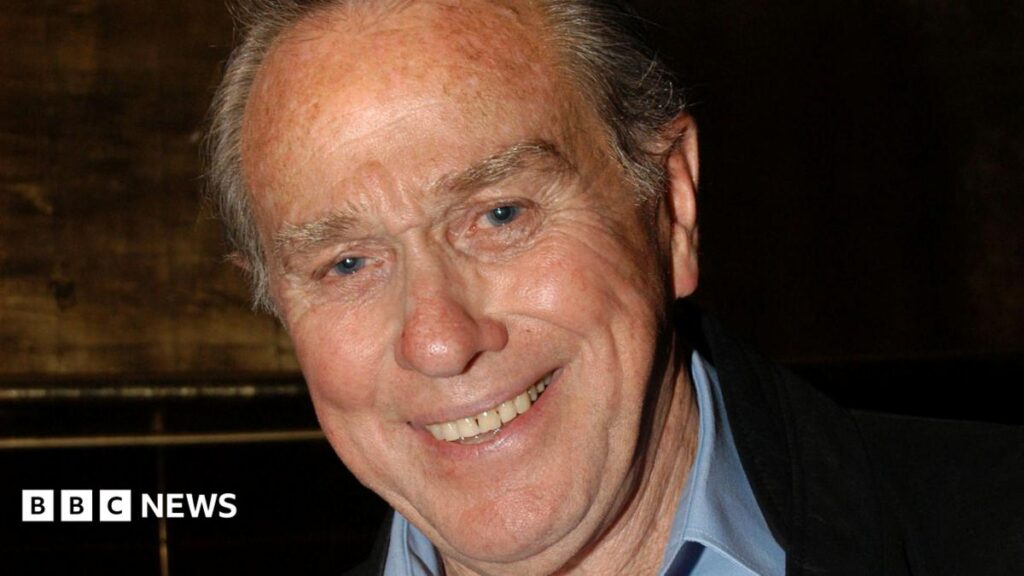
The news of Terence Donovan's death at 90 has resonated across generations of television viewers in the UK, Australia, and beyond. Best known for his portrayal of Paul Robinson in the enduring soap opera Neighbours, Donovan's career represents a significant chapter in the history of transnational television. His work not only entertained millions but also helped forge enduring cultural connections between British and Australian audiences during a pivotal era of global media exchange. This article explores Donovan's professional journey, the broader significance of soap operas as cultural exports, and the evolving nature of public mourning in the digital age, offering insights relevant to media professionals, content creators, and consumers of global entertainment.
Born in London, Terence Donovan's journey to becoming a household name began with a move to Australia in his teenage years. His early career as a singer transitioned into acting, leading to screen debuts in the early 1960s. This period marked the beginning of a career that would see him become one of the most recognisable faces in Australian television drama.
His breakthrough came in the 1970s with the role of Detective Mick Peters in the police series Division 4, a show that captured the essence of Australian law enforcement storytelling during that decade. A decade later, he reprised a similar authoritative presence as Detective Senior Sergeant Vic Cameron in Cop Shop, further cementing his reputation as a versatile performer capable of anchoring long-running procedural dramas.
It was, however, his role as Paul Robinson in Neighbours that brought him international acclaim. Joining the cast in the show's early years, Donovan became synonymous with the character for audiences across the UK, Australia, and numerous other countries where the soap achieved massive popularity. His portrayal contributed significantly to the show's early success and its reputation as a launching pad for talent.
The success of Australian soap operas like Neighbours in the British market during the 1980s and 1990s represents a fascinating case study in media globalization. These programmes were not merely entertainment; they functioned as cultural conduits, introducing British audiences to Australian accents, landscapes, and social norms in a accessible, daily format.
For broadcasters, acquiring such content proved strategically advantageous. Soap operas offered high-volume, cost-effective programming that could fill early evening slots reliably. Their serial nature encouraged viewer loyalty, translating into consistent ratings and advertising revenue. The familiarity of recurring characters and ongoing storylines created appointment viewing habits that benefited both local schedulers and international distributors.
Beyond ratings, these shows facilitated people-to-people connections. Viewers in the UK developed genuine affection for Australian settings and lifestyles portrayed on screen, often sparking interest in travel, migration, or cultural exchange. The genre's focus on everyday relationships and community dynamics made it particularly effective at fostering cross-cultural empathy and understanding.
Actors associated with long-running serials often describe the experience as uniquely formative. The demanding production schedules—frequently requiring multiple episodes per week—necessitate rapid skill development and foster intense camaraderie among cast members. This environment creates a professional apprenticeship that is difficult to replicate in other television formats.
For audiences, the longevity of these roles creates deep parasocial bonds. Viewers who followed a character from childhood through adolescence and into adulthood often report feeling a genuine sense of loss when an actor departs or passes away. This emotional connection explains the strong public response to announcements like Donovan's death, where fans share personal memories of growing up alongside the characters he portrayed.
Industry professionals note that such roles, while typecasting risks exist, provide invaluable stability and exposure. Many actors use the platform of a long-running soap to launch diverse careers in film, theatre, or music, leveraging the public recognition gained from their signature role.
The announcement of Donovan's passing triggered an immediate outpouring of tributes across social media platforms, illustrating how digital technology has transformed the public grieving process. Fans, colleagues, and public figures shared memories, clips, and condolences within hours, creating a virtual space for collective remembrance that transcends geographical boundaries.
This phenomenon reflects a broader shift in how audiences engage with media personalities. Unlike the era when fan communication was limited to letters or fan clubs, today's digital landscape enables instantaneous, global conversations about cultural figures. Hashtags, tribute videos, and shared clips allow for multifaceted expressions of grief and appreciation that can persist for days or weeks.
Broadcasters and streaming services often respond to such events by increasing access to the deceased's work. In Donovan's case, platforms holding rights to Neighbours, Division 4, or Cop Shop may anticipate heightened viewership as fans revisit classic episodes and new audiences discover his contributions. This posthumous engagement cycle underscores the enduring value of well-crafted television content in the streaming age.
The death of a veteran performer frequently prompts industry organisations to revisit conversations about support systems for actors and their families. While Donovan lived a long and celebrated life, his passing serves as a reminder of the importance of mental health resources, financial planning assistance, and community networks within the entertainment profession.
Unions and guilds often use such moments to highlight available pension schemes, healthcare provisions, and counselling services tailored to the unique pressures of acting careers. The irregular nature of work, periods of intense publicity followed by relative obscurity, and the physical demands of performance can create specific challenges that warrant targeted support.
Furthermore, these events encourage reflection on legacy preservation. Discussions about archiving interviews, making-of documentaries, and career retrospectives gain renewed attention, ensuring that future generations can access and appreciate the full scope of an artist's contributions beyond their most famous role.
Terence Donovan's life and career offer a compelling narrative about the power of television to connect cultures, shape careers, and create lasting emotional bonds with audiences. From his early days as a singer in London to his iconic portrayal of Paul Robinson in Melbourne, his journey reflects the evolving landscape of global media consumption. His passing invites reflection not only on the characters he brought to life but also on the broader systems—cultural, industrial, and technological—that enable such stories to reach and resonate with millions. As audiences continue to engage with his work through reruns and streaming platforms, Donovan's legacy endures as a testament to the enduring appeal of well-told stories and the performers who bring them to authentic life.
Originally reported by bbc.co.uk. Adapted for our readers with AI assistance.
Keep reading
Business
Nigeria's economic landscape in the second quarter of 2026 presents a mixed picture of fiscal press...
Business
Liverpool manager Andoni Iraola is confronting a significant selection headache as two key forwards, Cod...
News
Health News tamfitronics [Editor’snote:[Editor’snote: This transcript was generated using both transcription ...
TAMFIS NIG LTD
Electrical and instrumentation engineering, bid preparation and consulting, IT and software.