
News
RUSSIA versus NATO and BRICS vs. NATO Military SWOT
Recall that Poland’s Minister Sikorski’s core claim is partially supported by the numbers, but the framing “quite quickly” and “without the U.S.” does not…
TAMFIS NIG LTDRC 8067447CAC ACTIVEFinima, Bonny Island, Rivers State

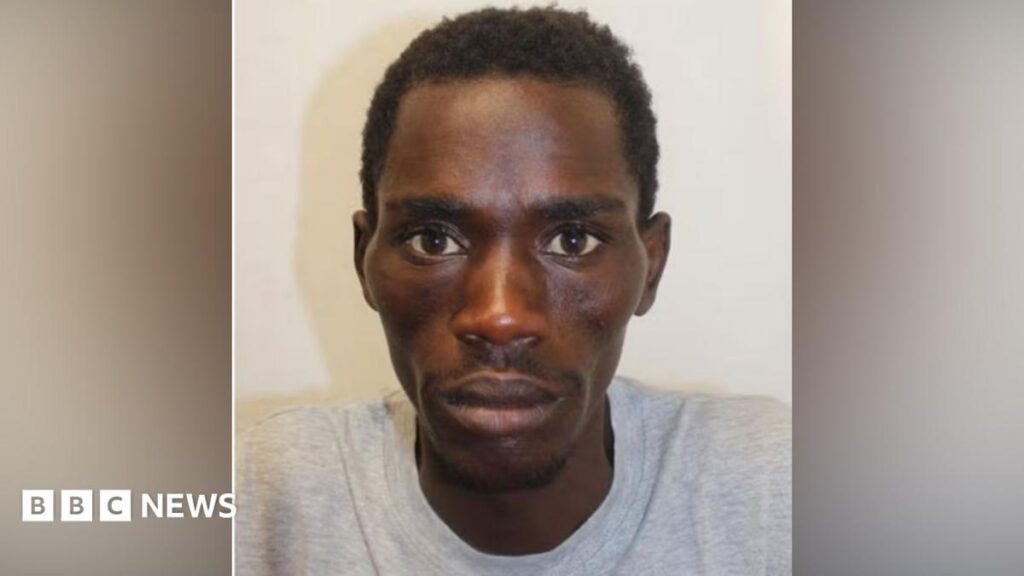
A prisoner classified as a risk to both himself and others was apprehended following an escape during a hospital transfer in Greater Manchester. Marwan Jumaa, 20, had absconded while being moved from a secure hospital facility to North Manchester Hospital. The incident triggered a large-scale manhunt involving multiple police forces and significant public engagement, culminating in his arrest by Lancashire Constabulary officers. This article examines the circumstances surrounding the escape, the police response, and the broader implications for prisoner transfers and public safety.
On a Tuesday evening, Marwan Jumaa escaped custody during a transfer from a secure hospital facility to North Manchester Hospital. Jumaa, who is serving an indefinite sentence for attacking two women, was described by authorities as a risk to both himself and others. The escape prompted an immediate and extensive police response, with Greater Manchester Police (GMP) coordinating a manhunt that continued into the early hours of Friday.
The police quickly issued a public appeal for information, emphasizing that Jumaa should not be approached by the public due to the potential danger he posed. Instead, members of the public were urged to contact authorities if they had any information on his whereabouts. This appeal was met with significant engagement, with numerous tips and reports coming in to the police call handlers.
The breakthrough in the case came when an observant officer from Lancashire Constabulary recognized Jumaa. Acting swiftly, the officer arrested him without incident. Detective Superintendent Nicola McCulloch of GMP praised the officer's vigilance and the collaborative efforts between police forces.
Following his arrest, Jumaa was taken back into custody and is set to be returned to a secure hospital facility. The prompt action by Lancashire Constabulary was instrumental in ending the search and ensuring public safety.
Detective Superintendent McCulloch highlighted the scale of the investigation, noting the involvement of a significant number of officers and resources from Greater Manchester Police. She also expressed gratitude to the public for their support, which was invaluable in locating Jumaa.
Throughout the manhunt, police maintained clear communication with the public, providing updates and safety advice. The warning not to approach Jumaa was critical, given his classification as a risk to others and himself. Authorities relied heavily on community cooperation, which proved essential in gathering timely information.
The public's role in such situations is often pivotal, as local knowledge and vigilance can greatly assist law enforcement agencies. The case of Jumaa's escape and recapture underscores the importance of effective public-police partnerships during emergencies.
Moreover, the incident highlights the challenges faced when transferring high-risk prisoners between facilities, especially when medical care is required outside secure environments.
The escape of a prisoner during hospital transfer raises questions about current security measures and protocols. Transfers of inmates to medical facilities are inherently complex, balancing the need for medical treatment with security concerns.
Authorities must ensure that risk assessments are thorough and that adequate personnel and resources are allocated to prevent escapes. This incident may prompt a review of existing procedures to identify any gaps or vulnerabilities.
In addition, the case brings attention to the management of prisoners who pose risks to themselves and others, particularly when their health needs require movement outside secure settings. Ensuring the safety of the public and the prisoner during such transfers is a critical challenge for correctional and healthcare institutions alike.
The escape and subsequent manhunt had a significant impact on the Greater Manchester community. Residents were alerted to the potential danger and encouraged to remain vigilant.
The collaboration between Greater Manchester Police and Lancashire Constabulary exemplifies effective inter-agency cooperation. Sharing resources, intelligence, and operational support enabled a swift resolution to the situation.
Such partnerships are essential in managing incidents that cross jurisdictional boundaries and require coordinated responses. The success of this operation reflects the professionalism and dedication of the officers involved.
Editor’s note: The following is AI-generated commentary and context on this topic, not original reporting.
Transfers of prisoners to hospital for medical treatment are typically governed by strict risk-assessment protocols that weigh an individual’s security classification against the medical necessity of the visit, with escort levels adjusted accordingly. Escapes during such transfers, while relatively rare, tend to prompt internal reviews of procedure at the specific facility involved, examining whether risk assessments and staffing levels were appropriate for the individual concerned.
Recaptures following escapes of this kind often rely on a combination of public tip-offs, CCTV tracking and coordinated searches involving multiple police forces, particularly when an escape occurs in a populated urban area. Prison and police services generally treat public safety communications as a priority in the immediate aftermath of an escape, balancing the need for public vigilance against avoiding unnecessary alarm.
The escape and recapture of Marwan Jumaa during a hospital transfer in Greater Manchester highlight the complexities of managing high-risk prisoners outside secure facilities. The swift police response, effective inter-agency collaboration, and active public participation were key factors in ensuring a safe resolution. Moving forward, this incident may serve as a catalyst for reviewing and strengthening security protocols surrounding prisoner transfers, balancing the necessity of medical care with the imperative of public safety. It also reinforces the vital role that community cooperation plays in supporting law enforcement efforts during critical incidents.
Originally reported by bbc.co.uk. Adapted for our readers with AI assistance.
Keep reading
News
Recall that Poland’s Minister Sikorski’s core claim is partially supported by the numbers, but the framing “quite quickly” and “without the U.S.” does not…
News
Thousands of young protesters in Delhi continue to demand education reforms and the resignation of Education Minister Dharmendra Pradhan after a police crackdown. The…
News
Facing a looming financial collapse, Thames Water’s main lenders have offered the UK government a ‘golden share’ and increased local authority involvement to avoid…
TAMFIS NIG LTD
Electrical and instrumentation engineering, bid preparation and consulting, IT and software.