Business
Nigeria’s Economic Performance: Domestic Debt Rise and Agriculture Trade Shift in Q2 2026
Nigeria's economic landscape in the second quarter of 2026 presents a mixed picture of fiscal press...
TAMFIS NIG LTDRC 8067447CAC ACTIVEFinima, Bonny Island, Rivers State

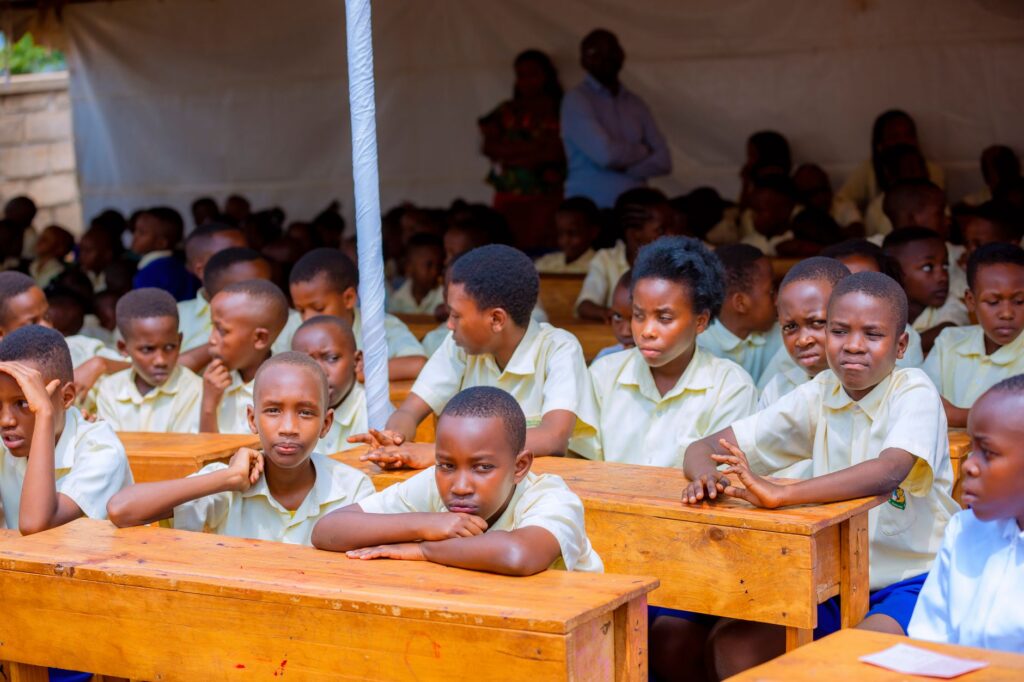
In July 2026, a seemingly simple video of Somali kindergarten students singing at a school promotion ceremony in Minnesota became the focal point of a significant political and cultural controversy. The video, showing young girls wearing hijabs, was shared by former President Donald Trump on social media alongside remarks that many perceived as inflammatory. This incident ignited strong reactions across Minnesota’s large Somali and Muslim communities, raising important questions about cultural respect, political rhetoric, and the challenges of fostering inclusion in diverse societies.
Minnesota is home to one of the largest Somali immigrant populations in the United States, many of whom practice Islam. Over the past several decades, these communities have become integral to the state’s cultural richness and economic development. Somali and Muslim residents contribute through entrepreneurship, education, and civic engagement, enriching Minnesota’s social fabric.
Despite these positive contributions, Somali and Muslim communities have faced ongoing challenges related to integration, discrimination, and political representation. Their visibility in public spaces, including schools, has at times sparked broader debates about immigration, religious freedom, and multiculturalism. The wearing of hijabs by young girls in educational settings serves as a visible expression of cultural and religious identity, which is legally protected under U.S. law but remains contentious in certain political circles.
The controversy began when President Trump reposted a video originally shared by a local Minnesota source, showing kindergarteners at a promotion ceremony. The children, many Somali Muslim girls wearing hijabs, were singing during the event. Accompanying the video, Trump added comments that drew attention to the girls’ attire and background in a manner widely perceived as critical and dismissive.
These remarks sparked immediate backlash from the Somali and Muslim communities as well as their allies. Critics argued that the president’s comments were insensitive, perpetuated stereotypes, and deepened social divisions. They emphasized that the video captured a moment of joy and educational achievement, not a political statement. Conversely, some supporters defended the repost as a legitimate expression of concern about cultural assimilation and the presence of religious symbols in public spaces, reflecting ongoing debates about identity in America.
Minnesota’s Somali and Muslim communities responded swiftly and vocally. Community leaders, local officials, and advocacy groups condemned the president’s remarks, emphasizing the importance of respect and inclusion. They highlighted that the kindergarten ceremony was a joyful celebration of educational milestones and cultural identity, cautioning against politicizing such moments which only deepen social divides.
The backlash underscored ongoing fears among these communities about being unfairly targeted or misrepresented in national political discourse. Many expressed concerns that such incidents contribute to feelings of alienation and mistrust. Local schools and educators reaffirmed their commitment to fostering safe, inclusive environments where all students feel valued regardless of their cultural or religious backgrounds.
This incident also sparked broader conversations about the challenges immigrant communities face in preserving cultural traditions while integrating into American society. It highlighted the need for greater cultural understanding and dialogue to bridge divides and promote social cohesion.
This episode fits within a larger pattern of political rhetoric surrounding immigration and cultural identity in the United States. Minnesota’s diverse population often places the state at the center of these national debates, where issues of religious expression and cultural assimilation are highly sensitive.
The use of social media by political figures to comment on local events can amplify tensions, especially when such commentary touches on sensitive issues like religion and ethnicity. This incident highlights the delicate balance between free expression and the potential for statements to inflame community sensitivities, sometimes unintentionally.
It also raises important questions about the responsibilities of political leaders in promoting unity rather than division, particularly in states with significant minority populations. Leaders’ words carry weight and can either foster understanding or exacerbate social fractures, influencing public perceptions and community relations.
Beyond politics, the controversy carries significant implications for Minnesota’s business community. Companies operating in diverse markets must navigate cultural sensitivities carefully to maintain inclusive workplaces and strong customer relationships. Recognizing and respecting cultural diversity is essential for fostering trust and loyalty among employees and consumers alike.
Social cohesion is closely linked to economic stability and growth; incidents that strain community relations can have ripple effects on local economies. Businesses benefit from fostering environments that respect and understand cultural diversity, which enhances collaboration and innovation.
This episode serves as a reminder for corporate leaders to engage thoughtfully with social issues, recognizing the interconnectedness of cultural respect, social responsibility, and business success. Proactive efforts to promote inclusion and cultural competence can help mitigate conflicts and contribute to stronger, more resilient communities.
The controversy surrounding the sharing of a video showing Somali kindergarteners in hijabs singing at a Minnesota school promotion ceremony illustrates the complexities of cultural representation in today’s political climate. While the video captured a moment of community celebration, the ensuing political commentary exposed deep divisions and sensitivities within Minnesota’s diverse population. Moving forward, it is essential for political leaders, community members, and business stakeholders to engage in respectful dialogue that promotes understanding and inclusion. Such efforts are crucial not only for social harmony but also for the economic vitality of communities that thrive on diversity and mutual respect.
Originally reported by nytimes.com. Adapted for our readers with AI assistance.
Keep reading
Business
Nigeria's economic landscape in the second quarter of 2026 presents a mixed picture of fiscal press...
Business
Liverpool manager Andoni Iraola is confronting a significant selection headache as two key forwards, Cod...
News
Health News tamfitronics [Editor’snote:[Editor’snote: This transcript was generated using both transcription ...
TAMFIS NIG LTD
Electrical and instrumentation engineering, bid preparation and consulting, IT and software.