
Business
Nigeria’s Economic Performance: Domestic Debt Rise and Agriculture Trade Shift in Q2 2026
Nigeria's economic landscape in the second quarter of 2026 presents a mixed picture of fiscal press...
TAMFIS NIG LTDRC 8067447CAC ACTIVEFinima, Bonny Island, Rivers State

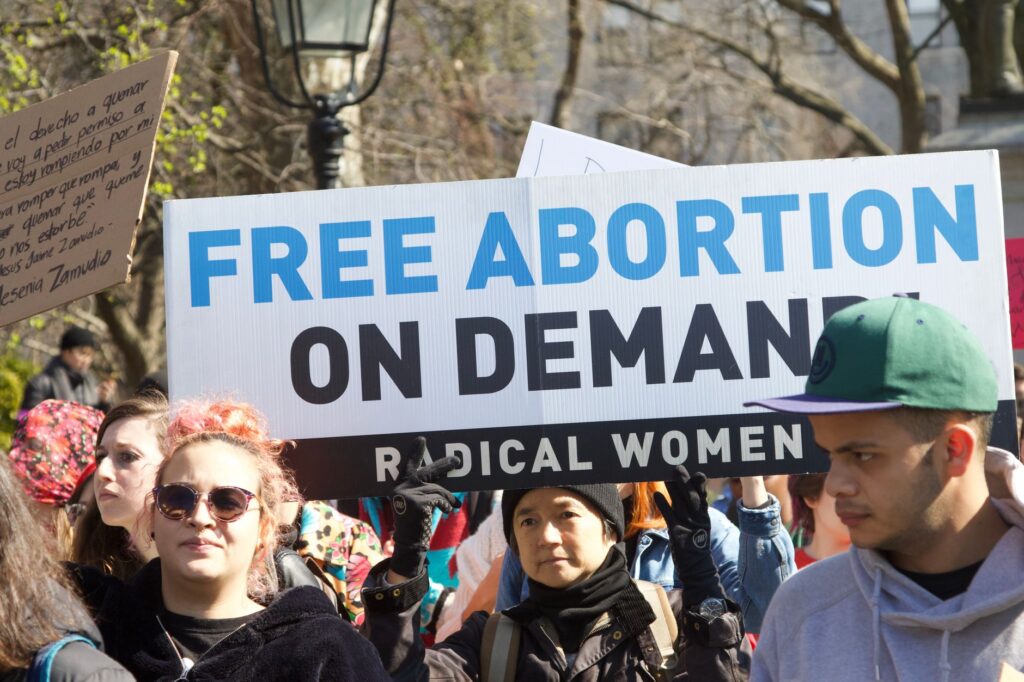
The Kansas Supreme Court has long been a key player in the state’s abortion rights landscape, consistently upholding legal access to abortion services in alignment with voter preferences. However, mounting dissatisfaction among Republican lawmakers and activists over the court’s pro-abortion rights decisions has culminated in a referendum scheduled for August 4, 2026. This referendum proposes a fundamental change: replacing the current appointment system for Supreme Court justices with direct elections. This article explores the background, motivations, and potential consequences of this referendum, situating it within broader national trends that contest judicial selection as a means to influence social policy.
Kansas has distinguished itself in recent years by maintaining legal protections for abortion, a stance reinforced by its Supreme Court. Unlike many states where abortion rights have been curtailed, the Kansas Supreme Court has upheld these rights, reflecting the electorate’s consistent support for access to abortion services. This alignment between the court’s rulings and voter sentiment has made the judiciary a central institution in the state’s social policy framework.
However, this judicial stance has not been without controversy. Republican lawmakers and conservative activists have expressed growing frustration, viewing the court’s pro-abortion rulings as misaligned with their policy objectives. A significant point of contention is the court’s method of selection—justices are appointed rather than elected, insulating them from direct electoral accountability and making it harder for political actors to influence the court’s composition.
In response to the court’s abortion rights rulings, Republican leaders have advanced a referendum that would shift the selection of Kansas Supreme Court justices from an appointment process to popular elections. Scheduled for the August 4 ballot, this referendum proposes that justices be elected by voters, introducing a new level of direct democratic involvement in the judiciary.
Supporters of the referendum argue that electing justices enhances democratic accountability by allowing voters to have a direct say in who interprets the law. They contend that this change would make the court more responsive to the values and preferences of Kansas residents, potentially aligning judicial decisions more closely with public opinion.
Conversely, critics caution that judicial elections risk politicizing the bench. They warn that campaign pressures, fundraising requirements, and partisan influences could compromise judicial independence, leading justices to make decisions based on electoral considerations rather than legal merits. This could undermine public confidence in the judiciary’s role as an impartial arbiter.
The referendum is widely interpreted as a strategic maneuver aimed at reshaping the Kansas Supreme Court to curtail abortion rights. By enabling voters to elect justices, Republicans hope to install judges whose views align more closely with their policy goals, potentially reversing or weakening the court’s previous rulings on abortion.
This development is emblematic of a broader national trend where judicial selection processes have become arenas for political and social contestation. Across the United States, states are increasingly debating how judges should be chosen, with implications for contentious issues such as abortion, voting rights, and civil liberties.
Moreover, the outcome of the Kansas referendum could set a precedent for other states considering similar reforms. If successful, it may encourage efforts to use judicial elections as a tool to influence court decisions on divisive social issues, further politicizing the judiciary at the state level.
Switching to elected justices raises complex questions about balancing judicial independence with democratic accountability. While elections empower voters to directly influence the judiciary, they also expose judges to political pressures that could affect their impartiality.
Judicial campaigns often require significant fundraising and political endorsements, which can create real or perceived conflicts of interest. Such dynamics may erode public trust in the judiciary’s neutrality, as judges might be seen as beholden to special interests or partisan groups.
On the other hand, proponents argue that elections can enhance voter engagement and awareness regarding the judiciary’s critical role. By involving citizens directly in the selection process, the system might foster greater public interest and scrutiny of judicial candidates and their philosophies.
The upcoming August 4 referendum will be closely watched as a key indicator of how Kansas voters perceive judicial selection and abortion rights. Its outcome will have immediate consequences for the composition and direction of the state’s Supreme Court, potentially influencing abortion policy for years to come.
Observers will also focus on voter turnout and the nature of campaigns surrounding the referendum, which may reveal the depth of public sentiment on these intertwined issues. The political mobilization around this vote could signal broader shifts in how judicial power is contested at the state level.
Beyond Kansas, the referendum’s result could inspire similar initiatives in other states, shaping the national conversation about the judiciary’s role in resolving contentious social and political debates. The decision made by Kansas voters may thus resonate well beyond state borders.
The Kansas referendum on electing Supreme Court justices represents a critical juncture in the ongoing national debate over abortion rights and the balance between judicial independence and public accountability. While proponents emphasize the democratic benefits of elections, critics warn of the risks posed by politicizing the judiciary. As voters prepare to cast their ballots on August 4, the decision will not only shape the future of Kansas’s highest court but also contribute to the evolving discourse on how best to preserve judicial impartiality in an era marked by polarized social issues. The outcome will be a bellwether for states grappling with similar questions about the role of the judiciary in shaping policy on deeply divisive topics.
Originally reported by nytimes.com. Adapted for our readers with AI assistance.
Keep reading
Business
Nigeria's economic landscape in the second quarter of 2026 presents a mixed picture of fiscal press...
Business
Liverpool manager Andoni Iraola is confronting a significant selection headache as two key forwards, Cod...
News
Health News tamfitronics [Editor’snote:[Editor’snote: This transcript was generated using both transcription ...
TAMFIS NIG LTD
Electrical and instrumentation engineering, bid preparation and consulting, IT and software.

