Business News
NDLEA Intensifies Operations Against Narcotic Trade and Illegal Trafficking
The National Drug Law Enforcement Agency has arrested multiple suspects and seized significant drug consignments in recent operations across Nigeria.
TAMFIS NIG LTDRC 8067447CAC ACTIVEFinima, Bonny Island, Rivers State

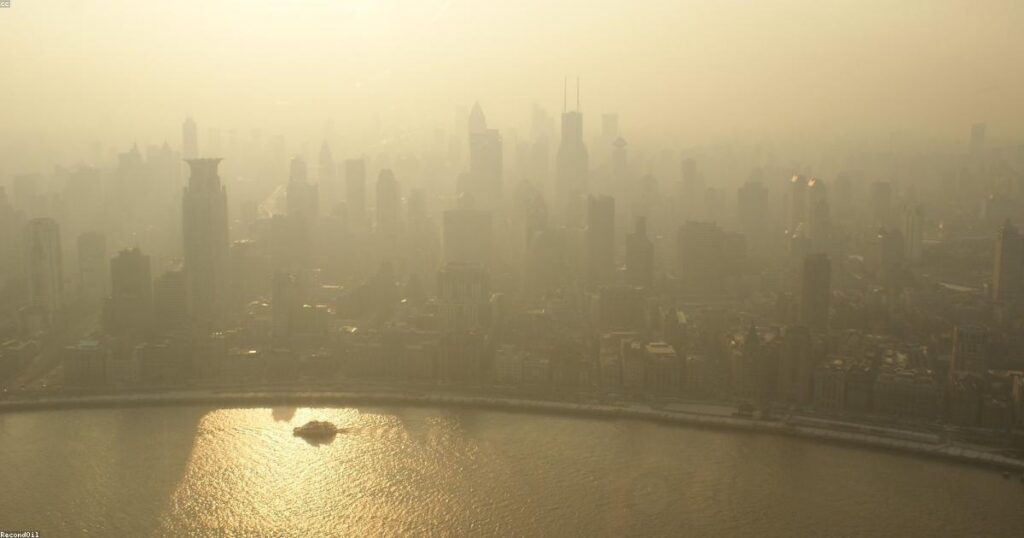
The Environmental Protection Agency’s (EPA) Endangerment Finding, established in 2009, is a pivotal legal determination that greenhouse gases (GHGs) threaten public health and welfare. This finding underpins numerous regulatory efforts to curb emissions contributing to climate change. Recently, discussions about repealing this foundational finding have sparked intense debate, with experts warning that the health and climate consequences of such a move cannot be overstated. This article delves deeply into the ramifications of repealing the Endangerment Finding, examining its impacts on air quality, public health, climate resilience, and environmental policy.
The EPA’s Endangerment Finding, issued in 2009 under the Clean Air Act, legally recognizes that greenhouse gases pose a threat to human health and welfare. This determination was based on extensive scientific evidence linking emissions of carbon dioxide, methane, and other GHGs to climate change-related hazards such as rising temperatures, extreme weather events, and deteriorating air quality.
This finding serves as the foundation for regulating emissions from vehicles, power plants, and industrial sources, enabling the EPA to implement policies aimed at reducing GHG concentrations in the atmosphere. Without this legal basis, the EPA’s authority to set emissions standards becomes significantly weakened.
Repealing the Endangerment Finding would not only undermine existing climate policies but also signal a retreat from the government’s commitment to addressing the climate crisis. Such a rollback could have cascading effects on environmental regulation and public health protections nationwide.
The repeal of the Endangerment Finding threatens to exacerbate public health challenges linked to air pollution and climate change. Greenhouse gases contribute to the formation of ground-level ozone and particulate matter, which are known to cause respiratory and cardiovascular diseases. Without stringent emissions controls, these pollutants are likely to increase.
Vulnerable populations, including children, the elderly, and those with preexisting health conditions, would face heightened risks. Increased exposure to air pollution can lead to higher rates of asthma, bronchitis, heart attacks, and premature death. The health care system could be strained by a surge in pollution-related illnesses.
Moreover, climate change driven by unchecked GHG emissions intensifies heatwaves, worsens wildfire seasons, and spreads vector-borne diseases. These health impacts are direct consequences of environmental degradation that the Endangerment Finding aimed to mitigate.
The Endangerment Finding has been instrumental in the United States' efforts to meet international climate commitments, such as the Paris Agreement goals. Repealing it would undermine these efforts by removing the legal basis for regulating GHG emissions, potentially leading to increased carbon footprints.
Without regulatory oversight, industries may delay or abandon emission reduction initiatives, resulting in higher atmospheric concentrations of carbon dioxide and methane. This escalation accelerates global warming, sea-level rise, and extreme weather events, with devastating ecological and economic consequences.
The long-term climate impacts of repealing the Endangerment Finding include destabilized ecosystems, loss of biodiversity, and compromised food and water security. These outcomes threaten both natural systems and human societies, especially in vulnerable regions.
Contrary to arguments that regulatory rollbacks stimulate economic growth, repealing the Endangerment Finding could impose significant economic costs. Increased health care expenses from pollution-related diseases and climate disasters could burden public budgets and reduce workforce productivity.
Furthermore, failure to regulate emissions jeopardizes investments in clean energy technologies and innovation. The United States risks falling behind in the global green economy, losing jobs and market share to countries with stronger climate policies.
Climate-related damages, including infrastructure destruction from storms and floods, also carry hefty price tags. Preventative regulations supported by the Endangerment Finding help mitigate these costs by promoting sustainability and resilience.
Environmental justice concerns are central to the debate over the Endangerment Finding. Marginalized communities often bear disproportionate burdens of pollution and climate impacts due to historical inequities and proximity to industrial sources.
Repealing the finding could worsen these disparities by loosening pollution controls and reducing protections in areas already facing high environmental risks. The health and economic consequences would be most severe for low-income neighborhoods and communities of color.
Maintaining the Endangerment Finding is essential to upholding equitable environmental policies that prioritize the needs of vulnerable populations and ensure fair access to clean air and a stable climate.
The repeal of the Endangerment Finding would likely face extensive legal challenges. Environmental groups, states, and public health organizations have historically defended the finding’s validity based on robust scientific evidence.
Without this foundational determination, the EPA’s ability to enforce existing climate regulations, such as fuel efficiency standards and power plant emission limits, would be compromised, creating regulatory uncertainty.
Policy reversals also risk eroding public trust in environmental governance and complicate efforts to implement future climate initiatives. A stable legal framework is critical for effective and consistent climate action.
The United States’ stance on climate change influences global efforts to reduce emissions and transition to sustainable energy. The Endangerment Finding has symbolized America’s commitment to scientific integrity and climate responsibility.
Repealing it could diminish U.S. credibility on the world stage, weakening multilateral climate agreements and emboldening other nations to delay or dilute their own climate actions.
Global cooperation is essential to address climate change effectively, as emissions transcend national borders. Maintaining strong domestic policies like the Endangerment Finding reinforces the U.S. role as a leader in combating the climate crisis.
Given the profound health and climate consequences of repealing the Endangerment Finding, a forward-looking approach must prioritize science-based policy and environmental justice.
Strengthening, rather than weakening, regulatory frameworks enables the United States to reduce emissions, protect vulnerable communities, and meet international climate goals.
Public engagement, transparent decision-making, and investment in clean energy technologies are key strategies to ensure sustainable progress and safeguard future generations.
The potential repeal of the EPA’s Endangerment Finding represents more than a regulatory shift; it poses a profound threat to public health, environmental justice, and global climate stability. The scientific consensus is clear: greenhouse gases endanger human welfare and ecosystems alike. Undoing this foundational finding risks reversing decades of progress in emissions reduction, exacerbating health crises, and undermining international climate cooperation. Protecting the Endangerment Finding is imperative to uphold environmental integrity, safeguard vulnerable communities, and ensure a livable planet for generations to come.
Originally reported by insideclimatenews.org. Adapted for our readers.
Keep reading
Business News
The National Drug Law Enforcement Agency has arrested multiple suspects and seized significant drug consignments in recent operations across Nigeria.
Health News
Health News tamfitronics Letters to the Editor
Health News
The Affordable Care Act (ACA), signed into law 14 years ago, has profoundly reshaped the United States h...
TAMFIS NIG LTD
Electrical and instrumentation engineering, bid preparation and consulting, IT and software.