Politics
Yari’s 2027 Campaign Strategy: How to Evaluate Claims About Tinubu’s Record
Yari says the APC will emphasise Tinubu’s achievements in 2027. This analysis explains how voters can examine outcomes, baselines and campaign evidence.
TAMFIS NIG LTDRC 8067447CAC ACTIVEFinima, Bonny Island, Rivers State

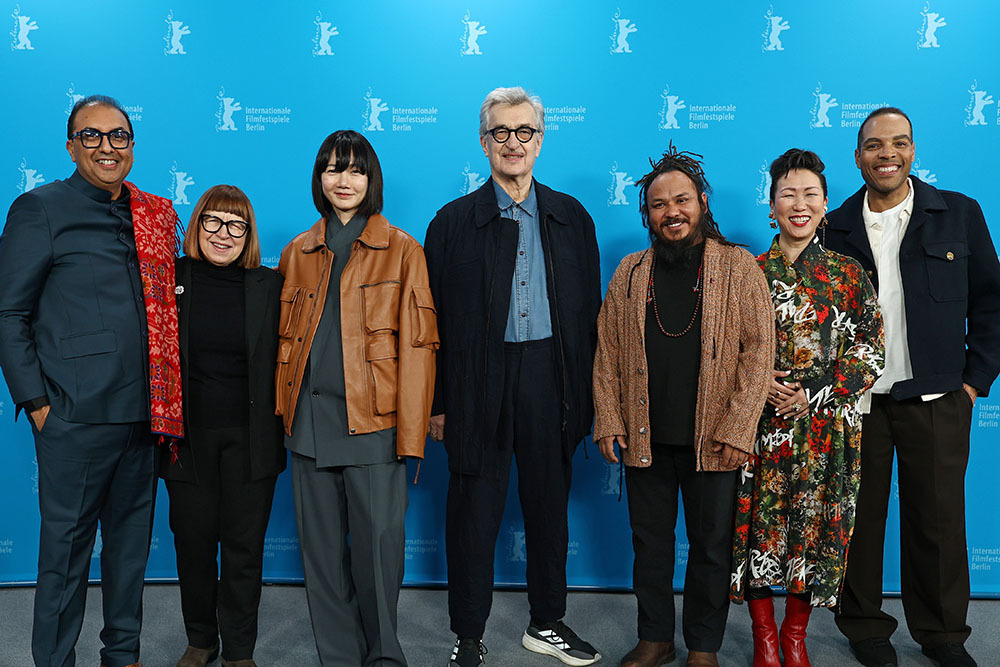
The Berlin International Film Festival, known as Berlinale, recently found itself at the center of a heated political debate following remarks made by its jury head and reactions from attendees. The ensuing media storm prompted festival director Tricia Tuttle to issue a comprehensive statement defending the festival’s approach to politics and artistic expression. This article explores the controversy, Berlinale’s response, and the broader implications for artists navigating political expectations in cultural spaces.
The controversy began during the Berlinale’s opening day press conference when Wim Wenders, head of the festival jury, responded to questions about the ongoing conflict in Gaza by asserting that filmmakers should avoid making overtly political movies, stating, “We have to stay out of politics because if we make movies that are dedicatedly political, we enter the field of politics.” This comment quickly ignited backlash on social media, with critics accusing the jury of dismissing the role of art in political discourse.
The fallout extended beyond Wenders. Indian author Arundhati Roy withdrew from the festival in protest, citing dissatisfaction with the jury’s stance. Meanwhile, actors Michelle Yeoh and Neil Patrick Harris faced online criticism for their responses to questions about politics and the rise of fascism, with Harris notably expressing a preference for “apolitical” projects. These reactions intensified scrutiny of the festival’s handling of political issues.
In response to the escalating criticism, Berlinale’s director Tricia Tuttle issued a detailed statement late on a Saturday night, addressing the so-called “media storm” surrounding the festival. Tuttle emphasized that free speech is alive and well at Berlinale but cautioned against the expectation that filmmakers must answer every political question posed to them.
She highlighted the complexity of the festival, which features 278 films representing a wide spectrum of perspectives, including works addressing genocide, sexual violence in war, corruption, patriarchal violence, colonialism, and abusive state power. Tuttle underscored that many filmmakers attending Berlinale have personally endured violence, exile, or persecution due to their work or political views.
The statement also acknowledged the diversity of political engagement among filmmakers. Some use their art to confront visible political power structures, while others focus on more subtle, personal narratives that still carry political weight. Berlinale respects this range of expression and warns against reducing the festival’s multifaceted nature to simplistic political binaries.
Tuttle’s message reflects a broader tension in cultural spaces where artists are increasingly pressured to publicly address political issues beyond their work. The festival director argued that expecting filmmakers to comment on every political matter or festival controversy is unreasonable and detracts from the primary focus on cinema and storytelling.
She pointed out that the current media environment often prioritizes crisis-driven narratives, leaving little room for nuanced discussions about film or culture unless they align with news agendas. This dynamic complicates how artists engage with politics and how their statements are received.
Importantly, Berlinale’s leadership reaffirmed that filmmakers are not indifferent to global suffering or human rights issues. Rather, they express their perspectives through varied artistic choices—some overtly political, others quietly radical, focusing on human dignity, care, and shared humanity.
Film festivals like Berlinale have historically served as platforms for human rights advocacy and political commentary through cinema. Many films in this year’s lineup tackle pressing issues such as war crimes, state oppression, and social injustice, reflecting filmmakers’ commitment to raising awareness.
However, Berlinale’s statement suggests that the festival also values films that explore art for art’s sake and emphasize the importance of sustaining independent cinema. This dual role highlights the challenge of balancing political engagement with artistic freedom.
The festival’s acknowledgment of the ‘glacial shift’ that cinema can effect—changing hearts and minds over time—underscores a belief in the transformative power of film beyond immediate political statements or activism.
The Berlinale episode illustrates the complexities artists and cultural institutions face when political issues intersect with creative expression. It raises important questions about the expectations placed on artists to serve as spokespeople for political causes and the potential consequences of such pressures.
It also highlights the role of media and social platforms in amplifying controversies, sometimes at the expense of deeper understanding of artistic intent and context.
For audiences and critics alike, the situation invites reflection on how to engage with art that addresses political themes—recognizing the diversity of approaches and respecting artists’ choices about when and how to speak out.
The recent political backlash at the Berlin Film Festival highlights the delicate balance between artistic freedom and political expectation in contemporary cultural spaces. Berlinale’s response underscores the importance of respecting diverse forms of expression and recognizing that not all filmmakers choose to engage with politics in the same way or on every issue. As audiences and critics navigate these complexities, it is crucial to appreciate the varied ways cinema can contribute to social awareness and change—sometimes loudly, sometimes quietly. Ultimately, the festival’s commitment to fostering dialogue through film remains a vital contribution to both art and society.
Originally reported by variety.com. Adapted for our readers with AI assistance.
Keep reading
Politics
Yari says the APC will emphasise Tinubu’s achievements in 2027. This analysis explains how voters can examine outcomes, baselines and campaign evidence.
Lifestyle
Obi says his wife funds her own purchases. This analysis separates his explanation, unverified handbag prices and the evidence needed to assess public spending.
Politics
Politics tamfitronics Minnesota Gov. Tim Walz attends a rally in Asheville, North Carolina, on Sept. 17. Minnesota led the way on in...
TAMFIS NIG LTD
Electrical and instrumentation engineering, bid preparation and consulting, IT and software.