
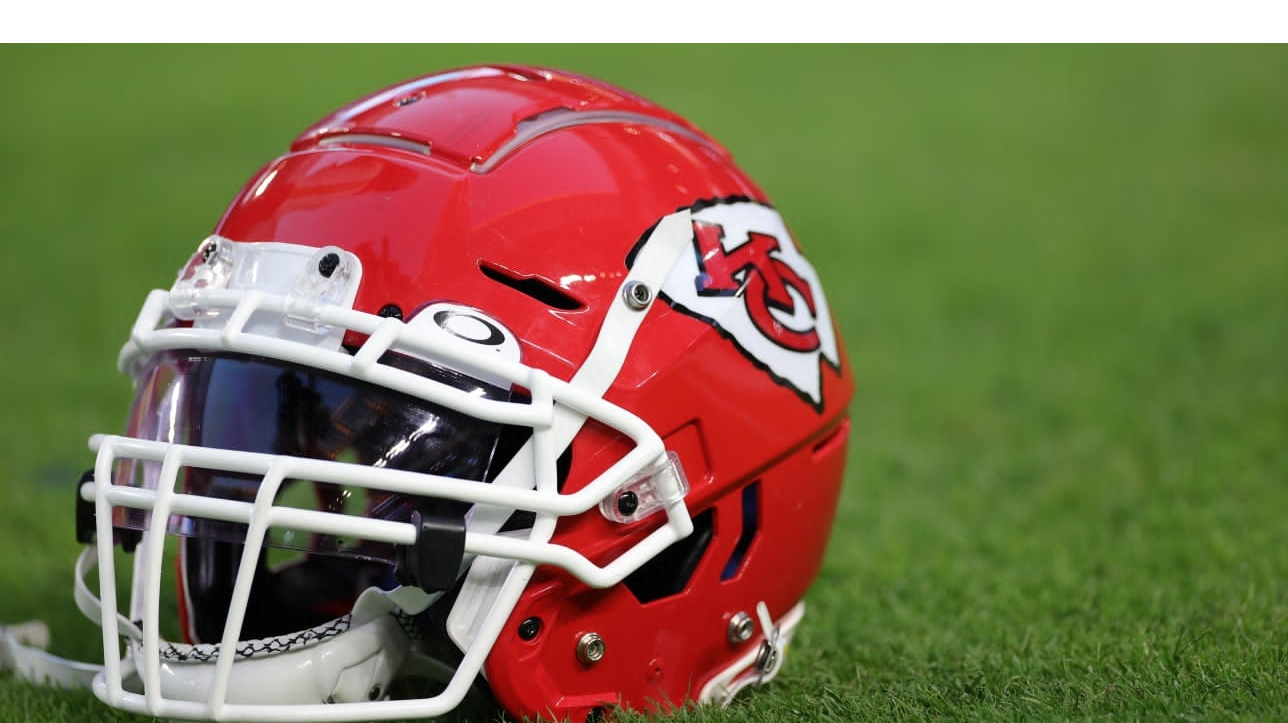
Concussions remain one of the most pressing health concerns in American football, prompting the NFL to take proactive steps toward improving player safety. To address this, the league has launched a technology challenge focused on redesigning helmet grilles to mitigate the risk of head injuries. This initiative represents a significant stride in leveraging innovation and engineering to protect athletes on the field. The challenge invites experts from various disciplines to develop advanced grille solutions that enhance impact absorption and reduce concussion incidence. This article explores the details of the NFL’s technology challenge, its importance, and the broader implications for player health and sports technology.
Understanding the Concussion Crisis in the NFL
Concussions have long been a critical issue in the NFL, with numerous players experiencing short- and long-term cognitive effects due to repeated head impacts. The physical nature of football makes players vulnerable to traumatic brain injuries, which can have lasting consequences on their health and quality of life. Despite advancements in medical protocols and equipment, concussions remain a significant challenge in the sport.
The league has faced scrutiny over the years regarding the management and prevention of concussions. High-profile cases and research linking football to chronic traumatic encephalopathy (CTE) have intensified calls for improved safety measures. As a result, the NFL has invested in research, improved concussion protocols, and developed educational programs to protect players.
However, prevention remains the most effective strategy. Reducing the frequency and severity of impacts to the head is essential, and this is where equipment innovation, particularly helmet design, plays a crucial role. The NFL’s technology challenge seeks to address this by focusing on one of the helmet’s key protective elements — the grille.
The Role of Helmet Grilles in Player Safety
Helmet grilles, also known as face masks, serve as a critical barrier protecting players’ faces from direct impacts. Traditionally made from strong, lightweight metals or composites, grilles absorb and distribute force during collisions. However, while they protect facial bones, their design can influence the transmission of forces to the skull and brain.
Current grille designs prioritize impact resistance and visibility but may not optimally reduce the rotational forces that contribute to concussions. Innovations in materials and structural engineering could transform grilles into more effective shock absorbers, minimizing brain trauma without compromising player comfort or performance.
Recognizing this potential, the NFL’s challenge specifically targets grille improvement. By inviting novel approaches to grille design, the league aims to reduce the biomechanical forces players experience during tackles and collisions, ultimately decreasing concussion rates.
Details of the NFL’s Technology Challenge
The NFL’s technology challenge is an open competition inviting engineers, designers, researchers, and innovators to develop next-generation helmet grilles. Participants are encouraged to employ cutting-edge materials science, biomechanics, and engineering techniques to create grilles that better dissipate impact forces and reduce brain injury risks.
The challenge includes specific criteria such as maintaining durability, minimizing weight, ensuring player visibility, and complying with league safety standards. Solutions must also be practical for mass production and integration into existing helmet systems, emphasizing real-world applicability alongside innovation.
To incentivize participation, the NFL has allocated significant funding and offers opportunities for collaboration with leading sports technology companies. The challenge not only seeks new designs but also encourages interdisciplinary research to foster holistic improvements in player safety equipment.
Potential Technologies and Innovations in Grille Design
Emerging technologies such as advanced composites, smart materials, and energy-absorbing polymers hold promise for revolutionizing helmet grille construction. For instance, shape-memory alloys could enable grilles to flex upon impact and return to their original form, reducing force transmission to the head.
Another avenue is the integration of sensor technology within grilles to monitor impact severity in real time. This data can inform medical staff immediately and contribute to ongoing research. Additionally, 3D printing allows for highly customized grille geometries optimized for both protection and comfort.
Innovative structural designs inspired by nature, such as lattice frameworks or biomimicry of shock-absorbing mechanisms, could also enhance grille performance. These cutting-edge approaches exemplify the type of solutions the NFL is seeking through its technology challenge.
Collaborations and Stakeholders Involved
The NFL’s technology challenge brings together a diverse group of stakeholders, including helmet manufacturers, academic institutions, medical researchers, and player safety advocates. This collaborative approach ensures that solutions are scientifically grounded and aligned with player needs.
Manufacturers like Riddell and Schutt, known for their expertise in football helmets, are expected to play key roles in testing and refining new grille prototypes. Their industry experience combined with fresh innovation from challenge participants can accelerate the development process.
Medical experts specializing in neurology and sports medicine contribute critical insights into concussion mechanics and injury prevention. Their involvement helps ensure that new grille designs address the underlying causes of brain trauma effectively.
Implications for Player Safety and the Future of Football
If successful, the technology challenge could mark a turning point in player safety by significantly reducing concussion risks. Improved helmet grilles could protect athletes at all levels of play, from youth leagues to professional football, fostering safer participation in the sport.
Beyond immediate safety benefits, innovations from this initiative could drive broader advancements in sports equipment technology. Enhanced data collection and biomechanical understanding may inform future rules, training practices, and protective gear development.
Ultimately, the NFL’s commitment to innovation reflects a growing recognition of the importance of player health and well-being. This challenge underscores the league’s responsibility to lead in safety advancements, setting new standards for contact sports worldwide.
Challenges and Considerations in Implementation
Despite the promising potential, implementing new grille technologies faces several challenges. Balancing protection with comfort, visibility, and player preferences is vital to ensure widespread adoption. Designs must not impede performance or increase injury risk in other ways.
Cost and manufacturability are also critical factors. Innovations need to be economically viable for mass production and accessible to all levels of football, not just the professional ranks. The NFL’s challenge criteria emphasize these practical considerations.
Regulatory approval and compliance with safety standards require rigorous testing and validation. Ensuring that new grille designs meet or exceed existing certification benchmarks is essential before they can be integrated into official gameplay.
Looking Ahead: The Future of Helmet Safety Innovation
The NFL’s technology challenge represents a proactive step toward a safer future in football, but it is only the beginning. Continuous research and development will be necessary to keep pace with evolving understanding of brain injuries and material science.
Future helmet safety may involve integrated systems combining advanced grilles, shock-absorbing liners, and real-time impact monitoring. These comprehensive solutions could transform how player safety is managed on and off the field.
By fostering innovation and collaboration, the NFL is setting a precedent that other sports organizations can follow. The ultimate goal remains clear: protecting athletes and preserving the integrity and enjoyment of football for generations to come.
Conclusion
The NFL’s technology challenge to improve helmet grilles is a landmark initiative addressing one of football’s most critical safety concerns: concussions. By fostering innovation and collaboration, the league is paving the way for safer equipment that could significantly reduce brain injuries among players. While challenges remain in design, implementation, and adoption, the potential benefits for player health and the future of the sport are immense. This challenge not only highlights the NFL’s dedication to player safety but also exemplifies the transformative power of technology in sports. As the competition unfolds, the football community eagerly anticipates breakthroughs that will make the game safer without compromising its competitive spirit.