Business News
NDLEA Intensifies Operations Against Narcotic Trade and Illegal Trafficking
The National Drug Law Enforcement Agency has arrested multiple suspects and seized significant drug consignments in recent operations across Nigeria.
TAMFIS NIG LTDRC 8067447CAC ACTIVEFinima, Bonny Island, Rivers State

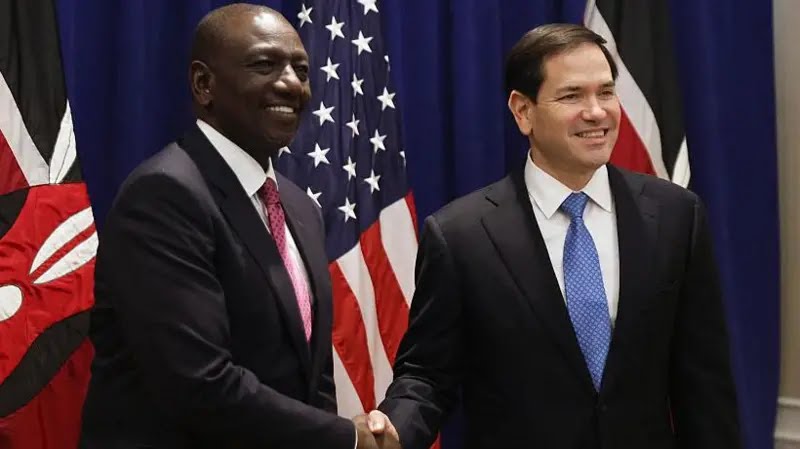
In a historic move signaling renewed international health cooperation, Kenya has signed a landmark five-year health agreement with the United States. Valued at $2.5 billion, this pact represents the largest health-focused deal between the two nations since significant shifts in US foreign aid policies during the Trump administration. The agreement targets critical health issues such as HIV/AIDS, malaria, tuberculosis, maternal care, and polio eradication, while also enhancing outbreak response and preparedness. Despite the potential benefits, the deal has ignited fears about data privacy, with concerns that sensitive Kenyan health data might be accessed by US authorities. This article delves into the details of the agreement, its implications for Kenya’s healthcare system, the data privacy debate, and the broader geopolitical context.
The Kenya-US health agreement, signed recently, marks a significant milestone in bilateral relations and international health collaboration. Spanning five years, the deal is designed to channel $2.5 billion towards improving Kenya’s healthcare landscape, with a focus on infectious disease control and maternal health. The United States will contribute $1.7 billion, while Kenya commits $850 million, gradually increasing its financial responsibility over time.
This government-to-government pact represents a strategic shift from previous aid models, emphasizing direct funding to national governments rather than through non-governmental organizations or external agencies. The arrangement aligns with the US administration’s broader foreign policy goals of enhancing transparency, accountability, and aligning aid with national priorities.
Key health areas targeted by the agreement include combating HIV/AIDS, malaria, and tuberculosis, improving maternal and child healthcare services, eradicating polio, and strengthening Kenya’s capacity to respond to infectious disease outbreaks. The deal also seeks to modernize healthcare infrastructure and expand the health workforce across the country.
The agreement comes after a period of significant changes in US foreign aid policy, notably during the Trump administration. In January of that year, the new administration imposed a freeze on foreign aid as part of a broader government spending review, dismantled USAID, and cut billions in aid to developing countries. These moves led to shortages in essential drugs and disrupted health programs in many nations.
In September, the Trump administration introduced the 'America First Global Health Strategy,' which redefined foreign aid priorities. The strategy emphasized negotiating aid deals directly with governments to reduce waste, ensure alignment with US interests, and increase the accountability of recipient countries. This marked a departure from previous models that heavily relied on NGOs and multilateral organizations.
Kenya’s new health agreement with the US is a direct outcome of this policy shift. It reflects a more strategic, government-to-government approach intended to empower Kenya’s health ministry and ensure that aid is utilized effectively in line with national health goals.
The agreement focuses on several critical health priorities that have long challenged Kenya’s healthcare system. HIV/AIDS, malaria, and tuberculosis remain leading causes of morbidity and mortality, particularly in rural and underserved regions. Strengthening prevention, diagnosis, and treatment programs for these diseases is a core component of the pact.
Maternal and child health is another significant focus. Despite improvements, Kenya continues to face high maternal and infant mortality rates. The deal aims to improve access to quality prenatal and postnatal care and enhance healthcare facilities with modern equipment and better-trained health workers.
Polio eradication and infectious disease outbreak preparedness also feature prominently. Kenya has made strides in reducing polio cases, but maintaining vigilance is essential. The agreement will bolster surveillance systems, rapid response teams, and vaccination programs to prevent future outbreaks.
Despite the agreement’s promising health objectives, it has sparked intense debate in Kenya regarding data privacy and security. Critics fear that the deal could grant the US real-time access to sensitive health databases, including personal medical records such as HIV status, tuberculosis treatment history, and vaccination data.
Prominent voices, including lawyers and whistle-blowers, have called for the full disclosure of the agreement’s terms to clarify what specific data categories will be shared. Questions have been raised about whether genomic data, mental health information, insurance claims, or biometric data might be included, and why these details are not explicitly spelled out.
In response, Kenya’s Health Minister Aden Duale has sought to reassure the public, emphasizing that only de-identified, aggregated data will be shared. He stressed that Kenyan health data is protected under national laws and considered a strategic asset, underscoring the government’s commitment to safeguarding patient confidentiality.
US Secretary of State Marco Rubio described the agreement as a 'landmark' and praised Kenya as a 'longstanding American ally.' He highlighted Kenya’s leadership role in international peacekeeping efforts, including contributions to UN missions combating organized crime in Haiti. Rubio emphasized that the US aims to support governments directly to enhance accountability and reduce reliance on NGOs.
Kenya’s President William Ruto expressed confidence in the deal, stating that the funds would be used to advance national health priorities. He assured that every dollar and shilling would be spent efficiently, effectively, and with full accountability, reflecting Kenya’s commitment to transparent governance.
Both leaders underscored the strategic partnership between the two countries, framing the agreement as a model for future collaborations in Africa. Several other African nations are expected to enter similar agreements, reflecting a broader US strategy to deepen bilateral health partnerships on the continent.
The health deal holds significant potential to transform Kenya’s healthcare system by injecting much-needed funds and expertise. The emphasis on direct government funding may enhance coordination, reduce bureaucratic delays, and improve resource allocation across the health sector.
Investments in modern medical equipment, capacity building, and workforce expansion are expected to address long-standing gaps in healthcare delivery, particularly in rural and marginalized areas. Strengthened outbreak response mechanisms could also improve Kenya’s ability to manage future health crises effectively.
However, the success of the agreement will depend heavily on robust governance, transparency, and continued public trust. Addressing data privacy concerns transparently and ensuring that aid reaches intended beneficiaries will be crucial to maximizing the deal’s positive impact.
The Kenya-US health agreement fits within a broader geopolitical landscape where global powers are vying for influence in Africa through development aid and strategic partnerships. The US seeks to reinforce its presence on the continent amid growing competition from other nations, including China.
By focusing on health, a critical sector with wide-reaching societal impact, the US aims to build sustainable partnerships that align with both Kenyan and American interests. This approach is part of a larger strategy to promote stability, economic growth, and security in the region.
The deal’s success could encourage other African countries to pursue similar agreements, potentially reshaping the dynamics of foreign aid in Africa. However, it also raises important questions about data sovereignty, national autonomy, and the role of external actors in domestic health systems.
Looking ahead, the implementation of the Kenya-US health agreement will require careful monitoring and evaluation to ensure that health outcomes improve and that funds are used responsibly. Regular audits, transparent reporting, and stakeholder engagement will be vital components of this process.
To address data privacy concerns, the Kenyan government should consider publicly releasing the full agreement text or a detailed summary, clarifying data sharing protocols and safeguards. This transparency could build public trust and mitigate fears about unauthorized access to personal health information.
Collaboration between Kenyan health authorities, civil society, and international partners can help ensure that the agreement delivers on its promises while respecting privacy and national sovereignty. Lessons learned from Kenya’s experience may also inform future health partnerships across Africa.
The landmark health agreement between Kenya and the United States marks a pivotal moment in international health cooperation, promising substantial advancements in combating infectious diseases and improving healthcare delivery in Kenya. While the partnership brings hope for enhanced health outcomes and stronger systems, it also raises critical questions about data privacy and sovereignty. Addressing these concerns transparently will be essential to sustaining public trust and ensuring that the agreement fulfills its transformative potential. As Kenya embarks on this new chapter, the world will be watching closely to see how this model of bilateral health cooperation unfolds and influences future partnerships across Africa.
Originally reported by independent.ng. Adapted for our readers.
Keep reading
Business News
The National Drug Law Enforcement Agency has arrested multiple suspects and seized significant drug consignments in recent operations across Nigeria.
Health News
Health News tamfitronics Letters to the Editor
Health News
The Affordable Care Act (ACA), signed into law 14 years ago, has profoundly reshaped the United States h...
TAMFIS NIG LTD
Electrical and instrumentation engineering, bid preparation and consulting, IT and software.