Breaking News
BREAKING NEWS: Trump blasts Tinubu, calls Nigeria “disgraced country”, threatens to invade Nigeria with US troops

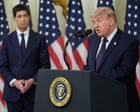
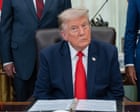
In an unprecedented and highly controversial statement, former U.S. President Donald Trump has sharply criticized Nigeria’s handling of religious violence, particularly the alleged targeting of Christians by Islamist militants. Trump’s remarks, delivered via his social media platform Truth Social, included threats to send American military forces into Nigeria if the government does not take decisive action to stop what he describes as an "existential threat" to Christianity in the country. This development has sparked widespread reactions both within Nigeria and internationally, raising questions about diplomatic relations, religious freedoms, and national sovereignty. This article delves into the details of Trump’s accusations, Nigeria’s response, the broader context of religious conflict in Nigeria, and the potential implications of such a provocative stance.
Trump’s Accusations Against Nigeria and President Tinubu
Donald Trump’s recent statements have taken a harsh tone, accusing Nigeria of permitting the "mass slaughter" of Christians by radical Islamist groups. He labeled Nigeria a "disgraced country" and called on the U.S. government to investigate these alleged atrocities. Trump’s comments included a warning that the United States might intervene militarily if Nigeria does not reverse the situation promptly.
Specifically, Trump urged American lawmakers to look into the "existential threat" faced by the Christian community in Nigeria, describing the violence as a severe violation of religious freedom. He invoked a State Department designation for Nigeria as a "country of particular concern," highlighting alleged government complicity or inability to protect vulnerable populations.
In response, Nigerian President Bola Tinubu strongly rejected Trump’s characterization of Nigeria. Tinubu emphasized that religious freedom and tolerance are foundational principles of Nigerian society, stating unequivocally that the government opposes religious persecution. He insisted that Nigeria remains committed to safeguarding the rights of citizens of all faiths and condemned any form of religious violence.
The Threat of U.S. Military Intervention
On his Truth Social platform, Trump escalated his rhetoric by threatening to send U.S. troops into Nigeria "guns-a-blazing" should the Nigerian government fail to stop the killing of Christians. He claimed to have instructed the Pentagon to prepare a possible plan of attack, signaling readiness for military engagement.
Trump described the potential intervention as "fast, vicious, and sweet," mirroring the brutality he attributes to Islamist terrorists targeting Nigerian Christians. He also warned that all U.S. aid and assistance to Nigeria would be immediately halted if the violence continues unabated.
While Trump’s threat has not been officially endorsed by the current U.S. administration, it has nonetheless stirred significant controversy. Experts note that such a move could destabilize the region further and complicate diplomatic relations, especially given Nigeria’s strategic importance in Africa and its role in combating terrorism.
Contextualizing Religious Violence in Nigeria
Nigeria is a nation deeply divided along religious and ethnic lines, with a Muslim-majority north and a predominantly Christian south. This division has historically fueled tensions and periodic outbreaks of violence involving various militant groups, including Islamist extremists like Boko Haram and Fulani herders.
The conflicts have resulted in significant casualties among both Christians and Muslims, making it a complex security challenge rather than a one-sided religious persecution. Analysts caution against oversimplifying the violence, which often involves competition over land, resources, and political power.
Despite these challenges, the Nigerian government has repeatedly stated its commitment to peace and religious tolerance. Security forces have launched operations against militant groups, and efforts continue to promote interfaith dialogue and national unity.
President Bola Tinubu’s Position and Nigeria’s Official Response
President Tinubu has publicly dismissed Trump’s accusations as inaccurate and damaging to Nigeria’s international image. He highlighted Nigeria’s constitutional protections for religious freedom and the government’s active measures to combat extremism.
Tinubu emphasized that Nigeria is a diverse nation where multiple faiths coexist, and religious tolerance remains a core national value. He urged dialogue and cooperation instead of external threats or unilateral actions.
The Nigerian government also reaffirmed its commitment to protecting all citizens regardless of faith and condemned any acts of violence, regardless of the perpetrators’ identities. Officials called for a united front against terrorism and stressed the importance of respecting Nigeria’s sovereignty.
International Reactions and Diplomatic Implications
Trump’s statements have elicited mixed reactions globally. Some human rights advocates expressed concern over the reported violence against Christians but criticized the threat of military intervention as counterproductive and potentially harmful.
Diplomatic circles have urged restraint and emphasized the importance of dialogue over confrontation. Many experts warn that foreign military involvement could exacerbate existing conflicts and destabilize the region further.
U.S. allies and international organizations have called for comprehensive investigations into human rights abuses in Nigeria, encouraging cooperation with Nigerian authorities rather than punitive actions. The situation highlights the delicate balance between protecting religious freedoms and respecting national sovereignty.
The Role of Religious and Ethnic Divisions in Nigeria’s Conflicts
Nigeria’s complex socio-political landscape features overlapping religious, ethnic, and regional identities that often fuel tensions. Conflicts frequently arise from competition over land, political representation, and economic resources, with religion sometimes used as a rallying point.
Militant groups exploit these divisions to advance their agendas, targeting communities perceived as adversaries. Both Christian and Muslim populations have suffered casualties, complicating narratives that portray the violence as exclusively religious persecution.
Addressing these deep-rooted issues requires multifaceted strategies involving security reforms, economic development, and inclusive governance. Promoting interfaith harmony and addressing grievances are critical to long-term peace.
Potential Consequences of U.S. Military Involvement in Nigeria
Should the U.S. take military action in Nigeria as threatened by Trump, the consequences could be profound and far-reaching. Such intervention risks inflaming anti-American sentiments and could lead to widespread instability across West Africa.
Military involvement might also complicate existing counterterrorism efforts, as local populations could perceive foreign troops as occupiers rather than protectors. This could empower extremist groups and undermine Nigerian sovereignty.
Moreover, the international community may view unilateral military action as a violation of international law, potentially isolating the U.S. diplomatically. The complexities of Nigeria’s internal conflicts necessitate cautious and collaborative approaches rather than aggressive interventions.
Looking Ahead: Prospects for Peace and Stability in Nigeria
Nigeria faces significant challenges in achieving lasting peace amid its religious and ethnic conflicts. The government’s ability to protect all citizens and promote tolerance remains crucial to national stability.
International partners, including the U.S., can play constructive roles through diplomatic engagement, development aid, and support for security sector reforms. Building trust among diverse communities and addressing root causes of violence are essential steps forward.
Ultimately, sustainable peace in Nigeria will depend on inclusive governance, respect for human rights, and the empowerment of all citizens to participate in the country’s future without fear of persecution.
Conclusion
The recent incendiary remarks by former U.S. President Donald Trump have thrust Nigeria’s ongoing struggles with religious violence into the global spotlight, raising contentious debates about sovereignty, religious freedom, and international intervention. While the protection of vulnerable communities remains paramount, the complexities surrounding Nigeria’s internal conflicts caution against simplistic or aggressive responses. President Bola Tinubu’s firm rejection of Trump’s accusations underscores Nigeria’s determination to address its challenges internally and through cooperation. Moving forward, the path to peace and stability in Nigeria will require nuanced strategies, respect for national sovereignty, and constructive international partnerships that prioritize dialogue and development over military confrontation.
Originally reported by nigerianeye.com. Adapted for our readers.