
Top Stories
KFF Health News’ ‘What the Health?’: The Supreme Court and the Abortion Pill
Since the Supreme Court overturned Roe v. Wade in 2022, the landscape of abortion rights in the United S...
TAMFIS NIG LTDRC 8067447CAC ACTIVEFinima, Bonny Island, Rivers State

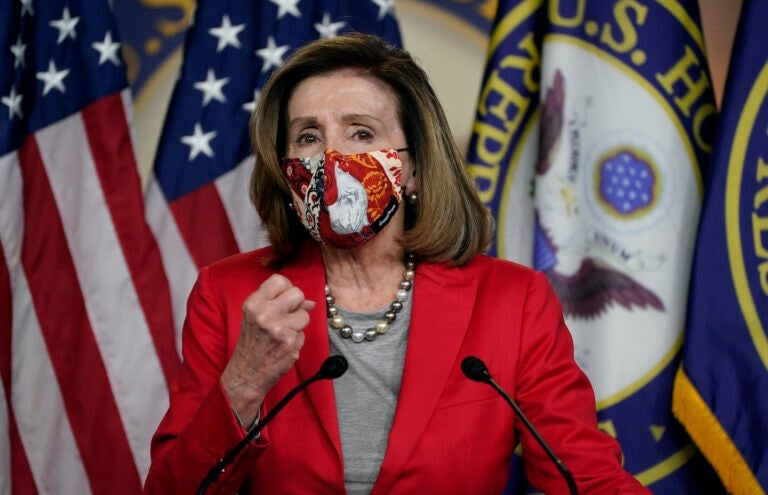
In a politically charged atmosphere marked by ongoing disputes over immigration enforcement, former House Speaker Nancy Pelosi has taken a firm stand against the actions of Immigration and Customs Enforcement (ICE) agents in California. Pelosi’s statement that California police “may arrest” ICE agents if they break state laws underscores the escalating conflict between federal immigration authorities and state officials. This development emerges as Governor Gavin Newsom also vows legal action against federal attempts to deploy the National Guard in San Francisco. As immigration raids loom in the Bay Area, the tension between federal and state jurisdictions has reached a boiling point, raising critical questions about the limits of federal power and the protections afforded to immigrant communities in California.
The anticipated immigration raids in California, particularly in the San Francisco Bay Area, have sparked widespread concern among local leaders and immigrant advocacy groups. These operations, ordered by the Trump administration, aim to target undocumented immigrants but have been criticized for their aggressive tactics and potential to disrupt communities.
California has long been a sanctuary state, with laws designed to limit cooperation with federal immigration enforcement to protect undocumented residents. This policy backdrop intensifies the conflict as ICE prepares to conduct raids that many local officials argue violate state protections and community trust.
The raids have become a flashpoint in the broader national debate over immigration enforcement, drawing sharp criticism from Democratic lawmakers, including Pelosi and Governor Gavin Newsom, who view these actions as politically motivated and harmful to public safety.
On October 23, 2025, Pelosi publicly declared that California state and local law enforcement officers “may arrest” ICE agents if they violate California laws during immigration enforcement activities. This unprecedented warning highlights the potential for state authorities to hold federal agents accountable under state criminal statutes.
Pelosi emphasized that while the President enjoys certain immunities, this protection does not extend to federal agents acting under his orders if they break state laws. She stated, “Our state and local authorities may arrest federal agents if they break California law — and if they are convicted, the President cannot pardon them.”
This stance reflects a growing pushback against what many California officials view as federal overreach, especially when federal agents are perceived to disregard state legal frameworks designed to protect immigrant communities.
The legal authority for California law enforcement to arrest federal agents remains complex and somewhat untested. Federal agents typically operate under federal jurisdiction, and issues of federal supremacy often arise when state laws conflict with federal immigration enforcement.
However, legal experts note that ICE agents could potentially face prosecution under state laws if they engage in illegal activities such as excessive force, unlawful detention, or other violations of civil rights. These actions would be subject to state criminal statutes, independent of their federal duties.
A report by the New York Times suggests that while arrests may be rare, lawsuits and prosecutions against ICE agents for misconduct have precedent. Pelosi’s declaration could encourage local authorities to pursue such actions more assertively if state laws are breached.
Governor Gavin Newsom has reinforced Pelosi’s position by threatening to take immediate legal action if the Trump administration attempts to deploy the National Guard to San Francisco to assist with immigration enforcement. Newsom vowed to sue “the nanosecond” such a deployment is considered.
This threat follows a similar confrontation last year when Newsom filed a restraining order and lawsuit against the Trump administration’s deployment of the National Guard to Los Angeles during immigration protests. A judge later ruled that deployment illegal, bolstering state resistance to federal enforcement tactics.
Newsom’s aggressive legal posture signals California’s ongoing commitment to defending sanctuary policies and limiting federal immigration actions perceived as politically motivated or harmful to immigrant communities.
The escalating conflict between California officials and the federal government reflects deep partisan divides over immigration policy. California, led by Democratic leaders like Pelosi and Newsom, champions immigrant rights and sanctuary protections, while the Trump administration has prioritized strict immigration enforcement.
Pelosi’s statement and Newsom’s legal threats serve as symbolic and practical challenges to federal authority, highlighting the friction between state sovereignty and federal immigration powers. This standoff has become a defining issue in California’s political landscape.
The rhetoric surrounding the raids and potential arrests of ICE agents also plays into broader national debates about immigration, federalism, and the limits of executive power, with California positioning itself as a frontline defender of immigrant communities.
Immigrant advocacy groups and community leaders in California have expressed strong support for Pelosi’s and Newsom’s positions, viewing them as necessary protections against federal immigration raids that cause fear and instability among undocumented residents.
The prospect of ICE agents being arrested if they violate state laws offers a measure of reassurance to immigrant communities, signaling that local authorities may intervene to uphold their rights and prevent abuses during enforcement actions.
However, the raids themselves have heightened anxiety and uncertainty, with many immigrants fearing detention and deportation. The state’s resistance aims to mitigate these impacts but also underscores the ongoing vulnerability of these populations amid conflicting federal and state policies.
As ICE prepares to conduct immigration raids, the situation remains fluid, with possible legal battles ahead over the limits of federal authority and the rights of states to enforce their own laws against federal agents.
If California law enforcement officers do arrest ICE agents, it could set a significant precedent for state-federal relations and potentially lead to court challenges that test the boundaries of immigration enforcement powers.
Politically, these developments may further galvanize California’s Democratic leadership and immigrant advocates, while intensifying opposition from federal authorities and conservative groups who view these actions as obstructionist.
California’s stance is part of a broader trend among sanctuary states and cities pushing back against federal immigration enforcement measures perceived as overreaching or discriminatory. These jurisdictions have enacted policies limiting cooperation with ICE to protect undocumented immigrants.
The conflict underscores ongoing tensions in the U.S. immigration system, where federal priorities often clash with local and state efforts to balance enforcement with community safety and human rights.
As immigration remains a contentious national issue, California’s approach may influence other states’ policies and contribute to evolving legal interpretations of federalism and immigration enforcement authority.
The confrontation between California officials and federal immigration authorities marks a critical juncture in the ongoing debate over immigration enforcement in the United States. Nancy Pelosi’s warning that state and local law enforcement may arrest ICE agents who violate California laws signals a robust defense of state sovereignty and immigrant rights. Alongside Governor Gavin Newsom’s readiness to challenge federal overreach legally, California is positioning itself as a stronghold against aggressive federal immigration tactics. While the legal complexities remain, these developments underscore the intensifying struggle over immigration policy, the limits of federal power, and the protection of vulnerable communities. As immigration raids proceed, the outcomes of this conflict will likely have lasting implications for state-federal relations and the future of immigration enforcement in America.
Originally reported by salon.com. Adapted for our readers.
Keep reading
Top Stories
Since the Supreme Court overturned Roe v. Wade in 2022, the landscape of abortion rights in the United S...
Top Stories
Top Stories Tamfitronics One evening in May, nursing assistant Debra Ragoonanan’s vision blurred during her shift at a state-run Massachusetts vet...
TAMFIS NIG LTD
Electrical and instrumentation engineering, bid preparation and consulting, IT and software.