
Business
Nigeria’s Broken Systems: Why Failure Persists and What Must Change
An analysis of the structural and institutional factors that entrench governance failures in Nigeria, from patronage politics and weakened oversight to the urgent need…
TAMFIS NIG LTDRC 8067447CAC ACTIVEFinima, Bonny Island, Rivers State

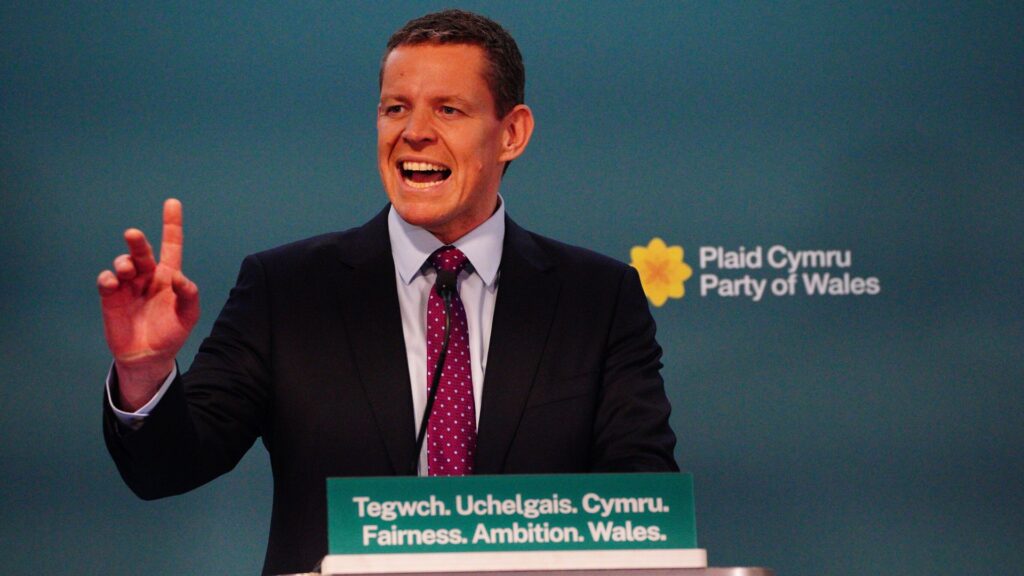
For over a century, Welsh Labour has been the dominant force in Wales, consistently securing the largest number of MPs sent to Westminster since 1922 and governing the country for more than twenty-five years. However, recent polling data reveals a dramatic shift in the political mood of Welsh voters. Reform UK, a relatively new player, has surged to near parity with Plaid Cymru, while Labour’s support has dwindled significantly. This evolving scenario presents a critical juncture for Welsh politics, where the time is now to stop Reform from consolidating power. Plaid Cymru, under the leadership of Rhun ap Iorwerth, aims to capitalize on Labour’s decline by offering a progressive, ambitious alternative that addresses key issues in health, education, and the economy. This article delves deeply into the implications of this political upheaval, the challenges faced by each party, and why the upcoming elections and by-elections will be decisive for Wales’s political future.
Welsh Labour’s political dominance has been a defining feature of Wales’s governance for over a century. Since 1922, the party has consistently sent the largest delegation of MPs to Westminster and maintained control of the Welsh government for more than 25 years. This longstanding grip has shaped policy and political culture in Wales, fostering a strong Labour identity among voters.
Yet recent polling data signals a significant erosion of this dominance. Labour’s support has fallen sharply, with a YouGov poll indicating Labour trailing at just 14%, compared to Plaid Cymru at 30% and Reform UK at 29%. This dramatic shift reflects a profound dissatisfaction among Welsh voters with Labour’s current leadership and policy direction, especially under Sir Keir Starmer.
The decline in Labour’s popularity has opened the door to new political forces challenging the traditional two-party dominance. Reform UK, initially perceived as a fringe player, has emerged as a credible contender, threatening to disrupt the established political order. This political realignment demands urgent attention from Labour and its rivals alike.
Reform UK’s rapid ascent in Welsh politics is one of the most striking developments in recent years. Founded as a breakaway from the Brexit Party, Reform UK has positioned itself as a populist alternative to mainstream parties, capitalizing on voter disillusionment with Labour and the perceived failures of traditional politics.
The party’s platform emphasizes deregulation, economic liberalism, and a tough stance on law and order, appealing to voters frustrated by the status quo. Their near parity with Plaid Cymru in recent polls highlights their growing influence and the real risk they pose to established parties, especially as Labour’s support weakens.
Reform UK’s success is not just a symptom of Labour’s decline but also a reflection of broader societal shifts. Economic uncertainties, concerns about public services, and a desire for radical change have created fertile ground for Reform’s message. If left unchecked, Reform UK could fundamentally alter the political landscape in Wales, shifting power away from traditional progressive forces.
Plaid Cymru finds itself at a pivotal moment, positioned as the only party capable of stopping Reform UK’s rise and offering a genuine progressive alternative. Under Rhun ap Iorwerth’s leadership, Plaid Cymru has sought to broaden its appeal beyond its traditional nationalist base by focusing on pragmatic governance and progressive values.
In his conference speeches, ap Iorwerth has emphasized that Plaid Cymru is not simply Labour’s conscience or a repair mechanism but a party ready to replace Labour and lead Wales towards a more ambitious future. His call for unity among voters signals a strategic effort to consolidate anti-Reform sentiment under Plaid’s banner.
Plaid’s pledge to prioritize health, education, and economic reform reflects an understanding of voters’ core concerns. While the party maintains its commitment to Welsh identity and self-determination, it has signaled a cautious approach to independence, avoiding divisive rhetoric that could alienate undecided voters. This balance aims to attract disillusioned Labour supporters while presenting a credible government-in-waiting.
The upcoming Senedd elections in 2026 are shaping up to be a decisive contest for Wales’s political future. With Labour’s support waning and Reform UK gaining traction, the election will test whether Plaid Cymru can effectively position itself as the leading progressive force capable of forming a government.
Polling data suggests a volatile electorate, with one in five Labour voters indicating a willingness to switch to Plaid Cymru, while nearly a quarter remain undecided. This fluidity underscores the importance of clear, compelling policy proposals from all parties to win over the crucial middle ground.
Plaid Cymru’s challenge is to translate its growing popularity into electoral success by convincing voters that it offers not only an alternative to Reform but also a viable and effective government. This requires robust plans for improving the NHS, education system, and economic opportunities, areas where voters demand tangible progress.
The Caerphilly Senedd by-election on 23 October represents an early and critical test of Wales’s evolving political dynamics. Historically a Labour stronghold, Caerphilly has consistently returned Labour representatives, with Plaid Cymru as the main opposition. However, the emergence of Reform UK has introduced a new element into this traditionally two-party contest.
For Plaid Cymru, performing strongly in Caerphilly is essential to validating its claim as the only credible anti-Reform vote. Even coming second would signify significant progress and reinforce the narrative of Plaid as the party ready to challenge Labour and Reform for power.
The by-election will also provide insight into voter sentiment in a key Labour heartland, revealing whether dissatisfaction with Labour is translating into support for Plaid or Reform. The outcome could influence strategies and alliances ahead of the 2026 Senedd elections, making Caerphilly a focal point for political observers.
Welsh independence remains a complex and sensitive topic in the political discourse. While Plaid Cymru has traditionally championed independence, its current leadership has opted for a more measured approach, ruling out an immediate referendum if elected. This strategy seeks to avoid alienating voters who are frustrated with Labour but reluctant to endorse full independence.
This nuanced stance reflects an understanding that the independence debate could be a double-edged sword. On one hand, it energizes core supporters; on the other, it risks dividing the electorate and distracting from pressing policy issues like health and education.
By focusing on practical governance and progressive policies rather than independence, Plaid aims to build a broader coalition of voters united by common goals rather than constitutional questions. This pragmatic approach could be key to winning over undecided Labour voters and countering Reform UK’s rise.
Despite promising polling numbers, Plaid Cymru faces significant challenges in converting support into electoral victories. Voters will demand clear, detailed plans addressing the NHS crisis, educational reform, and economic development. Without credible policies, Plaid risks being perceived as a protest vote rather than a government-in-waiting.
Furthermore, the party must navigate a crowded political field where Reform UK’s populist messaging appeals to a segment of the electorate disillusioned with traditional parties. Plaid’s ability to articulate a compelling vision for Wales that resonates across diverse communities will be critical.
Labour’s response to this shifting landscape will also influence the outcome. If Labour can reinvigorate its base and present effective leadership, it may limit Plaid and Reform’s gains. Conversely, continued Labour weakness could accelerate political realignment, making the 2026 Senedd elections a watershed moment.
The rise of Reform UK represents more than a political challenge; it signals a potential reshaping of Welsh governance and policy priorities. Reform’s emphasis on deregulation and conservative social policies contrasts sharply with the progressive, inclusive vision advocated by Plaid Cymru and traditionally upheld by Labour.
Stopping Reform’s advance is therefore crucial for those who envision a Wales committed to social justice, public service investment, and sustainable economic growth. Plaid Cymru’s campaign frames this as a battle for the soul of Wales, urging voters to unite behind a government that is radical, ambitious, and impatient for positive change.
As the political landscape evolves, the message is clear: the time is now to stop Reform, support progressive leadership, and ensure that Wales’s future is shaped by values of fairness, innovation, and inclusivity rather than division and deregulation.
Wales stands at a crossroads in its political journey. The once unassailable dominance of Welsh Labour is eroding, while Reform UK’s emergence has introduced a new challenge that threatens to upend the established order. In this context, Plaid Cymru’s strategic positioning as a progressive, pragmatic alternative offers hope for voters seeking meaningful change without the risks associated with Reform’s populism. The forthcoming elections, including the crucial Caerphilly by-election, will reveal whether Plaid can consolidate this momentum and translate it into governance. Ultimately, the time is now to stop Reform and embrace a future where Wales is led by a government committed to progress, fairness, and ambition. The decisions made in the coming months will shape the political landscape for years to come, making active voter engagement and informed choices more important than ever.
Originally reported by news.sky.com. Adapted for our readers.
Keep reading
Business
An analysis of the structural and institutional factors that entrench governance failures in Nigeria, from patronage politics and weakened oversight to the urgent need…
Politics
Yari says the APC will emphasise Tinubu’s achievements in 2027. This analysis explains how voters can examine outcomes, baselines and campaign evidence.
Lifestyle
Obi says his wife funds her own purchases. This analysis separates his explanation, unverified handbag prices and the evidence needed to assess public spending.
TAMFIS NIG LTD
Electrical and instrumentation engineering, bid preparation and consulting, IT and software.

