
Top Stories
KFF Health News’ ‘What the Health?’: The Supreme Court and the Abortion Pill
Since the Supreme Court overturned Roe v. Wade in 2022, the landscape of abortion rights in the United S...
TAMFIS NIG LTDRC 8067447CAC ACTIVEFinima, Bonny Island, Rivers State

The music industry is currently witnessing a series of significant legal battles that underscore the evolving challenges artists, promoters, and tech companies face in an increasingly complex landscape. From criminal convictions of major figures to the legal ramifications of artificial intelligence in music creation, these developments are reshaping how stakeholders navigate rights, responsibilities, and reputations. This article delves into the latest updates involving Sean 'Diddy' Combs’ sentencing, new fronts in AI music copyright litigation, touring contract disputes, and other notable cases affecting artists and the broader music business ecosystem.
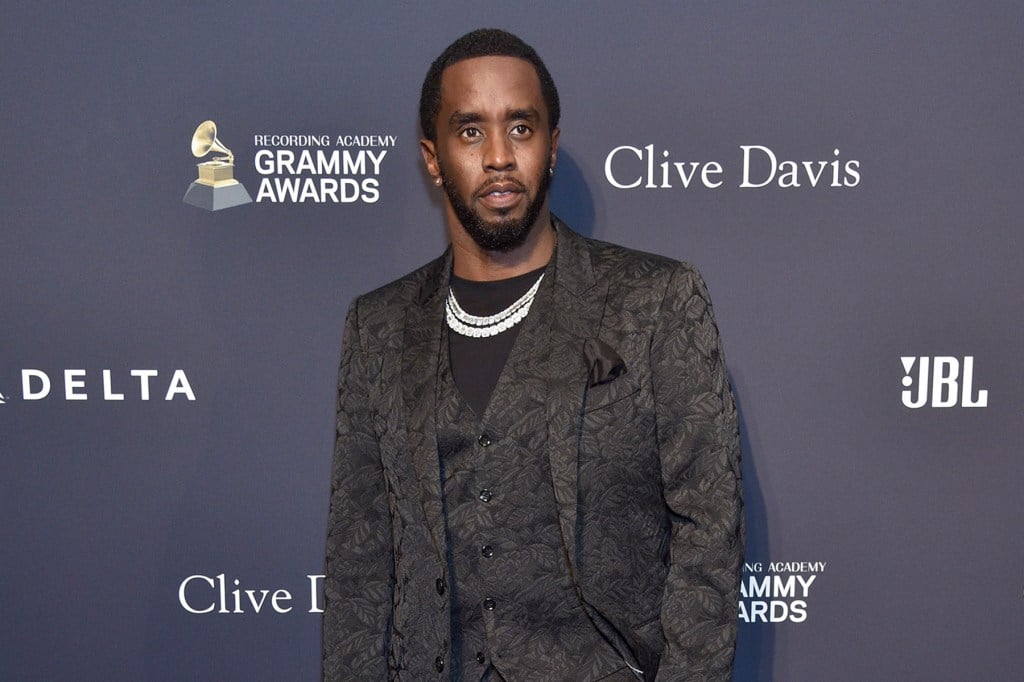
Sean 'Diddy' Combs, a towering figure in the music and entertainment world, was sentenced to over four years in federal prison for violations of prostitution laws. This sentence follows a tumultuous two-year period marked by multiple accusations, investigations, civil lawsuits, and a high-profile criminal trial. Originally charged with severe racketeering and sex trafficking offenses under the RICO statute, Combs was ultimately acquitted of those major charges by the jury. However, his conviction on lesser prostitution-related felonies still carries significant weight, with a maximum sentence of 20 years.
While prosecutors had sought an 11-year sentence and probation officers recommended seven years, the judge’s decision to impose a four-year term—of which Combs will serve about three years due to time already served—represents a comparatively lighter punishment. Despite this, the ruling serves as a stark reminder of the legal vulnerabilities even the most influential cultural icons face.
Combs’ legal team has announced plans to appeal both the convictions and the sentence, focusing in part on the controversial use of 'acquitted conduct'—where the judge considered conduct the jury had explicitly rejected when determining the sentence. This legal strategy raises important questions about fairness and sentencing practices in federal courts, especially in high-profile cases.
Artificial intelligence’s role in music creation has sparked a new wave of legal challenges, as seen in the recent lawsuit involving AI music company Suno. The firm was accused by major record labels of violating the Digital Millennium Copyright Act (DMCA) by allegedly stream-ripping songs from YouTube to train its AI models. Suno has firmly denied these claims, arguing that the labels are attempting to undermine a legislative compromise they originally supported during the DMCA’s enactment in the 1990s.
This legal confrontation represents a broader industry struggle to define the boundaries of AI-generated content and copyright protections. As AI tools become more sophisticated in generating music, the question of how existing copyright laws apply—and whether new frameworks are needed—has become increasingly urgent for artists, labels, and tech companies alike.
For businesses operating in the Nigerian and global music markets, staying abreast of these developments is crucial. The outcome of such disputes will likely influence licensing agreements, royalty structures, and the future of music production technologies.
In a significant development within live music business operations, Grizzly Touring, the promoter behind Rod Wave’s Last Lap arena tour, has filed a lawsuit against the artist. The promoter alleges that Rod Wave withheld $27 million in advances after failing to complete the full 35-date North American tour, completing only 26 shows and earning $30 million of a $57 million advance.
This dispute highlights the financial risks and contractual complexities inherent in large-scale touring ventures. For promoters and investors, ensuring contractual compliance and securing financial guarantees is essential to mitigate losses when tours are cut short or artists default on obligations.
For artists and their management teams, such lawsuits underscore the importance of transparent communication and realistic tour planning to maintain business relationships and reputations. The case also serves as a cautionary tale for the broader live music sector, which continues to recover and adapt post-pandemic.
Beyond individual artist cases, the music industry is grappling with broader legal battles that affect consumers and companies alike. The U.S. Supreme Court recently declined to hear Live Nation’s appeal against an antitrust class action lawsuit. This leaves intact a previous ruling that criticized Live Nation’s arbitration agreements with ticket buyers as opaque and unfair.
This decision has significant implications for concert promoters and ticketing platforms, as it challenges the enforceability of arbitration clauses that have long been standard in consumer contracts. It signals a potential shift towards greater consumer protection and transparency in ticket sales and dispute resolution.
Meanwhile, in criminal law, Chicago rapper Lil Durk faces murder-for-hire charges related to an alleged attempted hit on rival artist Quando Rondo. Durk’s attorneys have requested dismissal of the charges, citing the vagueness of the prosecution’s case and insufficient detail to prepare an adequate defense. This case illustrates the intersection of criminal law and the music industry, where artists’ legal troubles can have profound career and reputational consequences.
In another high-profile case, Spencer Elden, the individual featured as a baby on Nirvana’s iconic 1991 'Nevermind' album cover, has launched an appeal after a child pornography lawsuit was dismissed. The ongoing legal battle raises complex questions about artistic expression, consent, and legal protections surrounding album art.
The current wave of legal developments in the music industry underscores the sector’s dynamic and often contentious nature. From criminal convictions and appeals to emerging challenges posed by AI and live event contracts, stakeholders must remain vigilant and informed. For artists, promoters, and businesses operating in Nigeria and globally, understanding these legal trends is essential for navigating risks, protecting rights, and capitalizing on opportunities in an evolving marketplace. As technology and law continue to intersect, the music industry’s legal landscape will likely see further transformation, demanding adaptive strategies and proactive legal counsel.
Originally reported by billboard.com. Adapted for our readers with AI assistance.
Keep reading
Top Stories
Since the Supreme Court overturned Roe v. Wade in 2022, the landscape of abortion rights in the United S...
Top Stories
Top Stories Tamfitronics One evening in May, nursing assistant Debra Ragoonanan’s vision blurred during her shift at a state-run Massachusetts vet...
TAMFIS NIG LTD
Electrical and instrumentation engineering, bid preparation and consulting, IT and software.

