
Science & Technology
MAX Power Engages Global Technology Leader Kyndryl to Build Commercialization Strategy for MAXX LEMI
Author of the article:
TAMFIS NIG LTDRC 8067447CAC ACTIVEFinima, Bonny Island, Rivers State

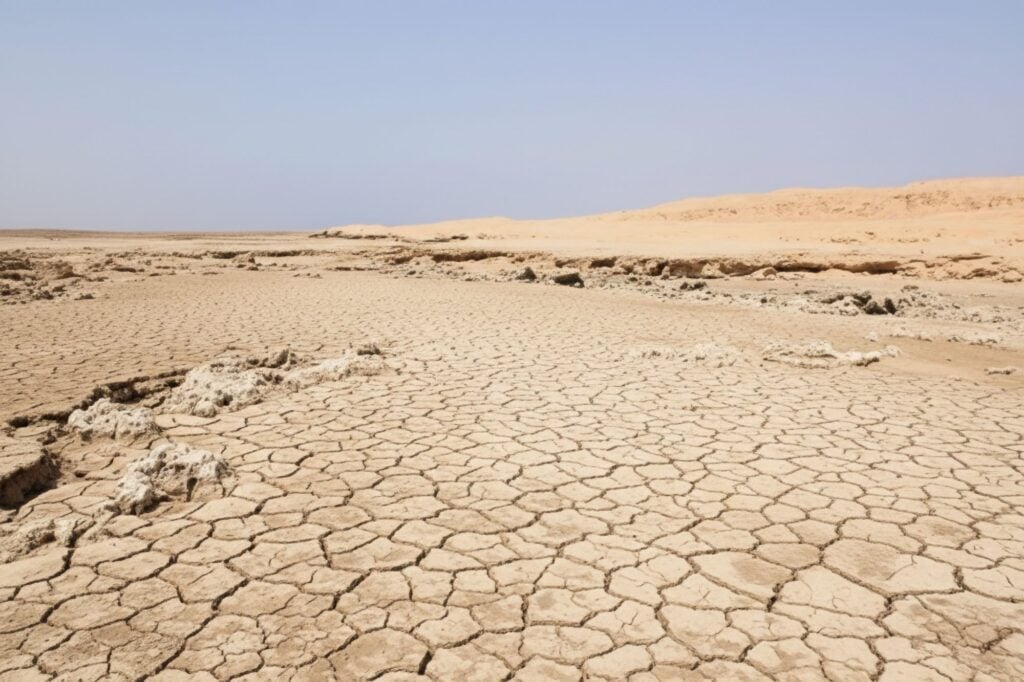
The Red Sea, a vital marine ecosystem and geological marvel, holds secrets from millions of years ago that have only recently come to light. Scientists from King Abdullah University of Science and Technology (KAUST) have uncovered evidence that this iconic sea completely vanished approximately 6.2 million years ago. Their research reveals that the Red Sea underwent a dramatic desiccation phase before being abruptly refilled by a massive influx of water from the Indian Ocean. This event not only transformed the basin’s environmental conditions but also played a pivotal role in shaping its current marine life and geological structure. By employing advanced seismic imaging, microfossil analysis, and geochemical dating techniques, researchers have pieced together a precise timeline of this extraordinary transformation, offering new perspectives on the interactions between tectonics, climate, and oceanography.
Recent studies by KAUST researchers have confirmed that the Red Sea completely dried out around 6.2 million years ago, an event previously hypothesized but now supported by concrete geological evidence. This desiccation period, lasting less than 100,000 years, was marked by a drastic shift from a thriving marine environment to a barren salt basin devoid of typical sea life.
The drying event was triggered by the severing of the Red Sea’s northern connection to the Mediterranean Sea through a shallow sill, which cut off the inflow of seawater. Without replenishment, intense evaporation and climatic conditions led to the basin’s desiccation, resulting in the accumulation of thick salt and gypsum layers across the sea floor.
This discovery was made possible through an interdisciplinary approach combining seismic imaging that revealed sediment layers, microfossil studies indicating marine life absence, and geochemical dating that precisely timed the event. Together, these methods provide a comprehensive picture of one of Earth’s most extreme environmental occurrences.
The end of the Red Sea’s dry phase came with a sudden and dramatic flood from the Indian Ocean. Around 6.2 million years ago, seawater breached a volcanic ridge near the Hanish Islands in the southern Red Sea, triggering a massive inflow that refilled the basin within a remarkably short geological timeframe.
This flood carved a 320-kilometer-long submarine canyon on the sea floor, an enduring geological feature that testifies to the immense power of the event. The torrent rapidly drowned the salt flats and restored normal marine conditions, enabling marine ecosystems to reestablish themselves.
Importantly, this refilling occurred nearly a million years before the well-known Zanclean flood that refilled the Mediterranean Sea, highlighting the Red Sea’s unique and earlier reestablishment as a connected marine environment.
The Red Sea’s geological story began approximately 30 million years ago with the rifting and separation of the Arabian Plate from the African Plate. This tectonic activity formed a narrow rift valley initially filled with freshwater lakes, which later evolved into a wider gulf as it became connected to the Mediterranean Sea about 23 million years ago.
Throughout its history, the Red Sea has experienced significant fluctuations in water levels, salinity, and marine biodiversity. Early fossil reefs along the northern coast provide evidence of a thriving marine ecosystem, but environmental stressors such as evaporation and restricted seawater circulation gradually increased salinity, leading to marine extinctions between 15 and 6 million years ago.
These geological and climatic dynamics culminated in the complete desiccation phase before the catastrophic Indian Ocean flood. The Red Sea thus serves as a natural laboratory to study ocean formation, tectonic influences, and the interplay of climate and environmental change over millions of years.
The drying of the Red Sea basin drastically altered marine life, turning a once vibrant ecosystem into a hostile salt desert. The cessation of seawater inflow and subsequent evaporation caused salinity levels to rise beyond the tolerance of most marine species, resulting in widespread extinctions.
Following the catastrophic flood, the renewed connection to the Indian Ocean allowed marine conditions to stabilize and marine life to recolonize the basin. Coral reefs and diverse marine communities gradually reestablished themselves, some of which persist today, representing a remarkable ecological recovery.
Studying these transformations provides valuable insights into how marine ecosystems respond to extreme environmental changes, offering lessons that are relevant for understanding current and future oceanic shifts under climate change.
The Red Sea’s desiccation and subsequent reflooding are closely linked to tectonic movements and climatic factors. The separation of tectonic plates created the basin, while volcanic activity formed barriers that influenced water circulation and sea connections.
Climatic conditions, particularly arid phases and evaporation rates, exacerbated the drying process by reducing water input and increasing salinity. These combined forces led to the basin’s transformation into a salt desert.
The volcanic ridge that separated the Red Sea from the Indian Ocean was eventually breached, likely due to tectonic subsidence or volcanic activity weakening the barrier, allowing the sudden flood that refilled the basin.
This research enhances our understanding of how ocean basins form, evolve, and respond to environmental extremes. The Red Sea’s desiccation and reflooding illustrate the dynamic interplay between tectonics, climate, and oceanography over geological timescales.
The event’s timing and scale provide a unique case study for the processes that govern ocean basin isolation and reconnection, which have implications for global ocean circulation and marine biodiversity patterns.
Furthermore, the Red Sea’s record of salt deposition offers insights into similar salt giant formations worldwide, which are important for understanding past climate conditions and resource exploration.
The Red Sea’s history of extreme environmental events, including complete desiccation and rapid reflooding, makes it an invaluable model for studying how Earth systems respond to drastic changes. These insights can inform predictions about how modern oceans might react to ongoing climate shifts.
By analyzing sediment records, fossil evidence, and geochemical markers, scientists can reconstruct past oceanic conditions and better understand resilience and recovery mechanisms in marine ecosystems.
The findings underscore the importance of the Red Sea region in global geoscience research and highlight the need for continued monitoring and study to anticipate future environmental transformations.
The revelation that the Red Sea completely vanished 6.2 million years ago before being swiftly refilled by a monumental flood from the Indian Ocean is a milestone in geoscience. This discovery not only enriches our understanding of the Red Sea’s complex geological and ecological history but also provides a profound example of Earth’s capacity for dramatic environmental change and recovery. By studying this ancient event, scientists gain valuable insights into the processes that shape ocean basins, influence marine biodiversity, and drive climatic interactions. As research continues, the Red Sea remains a critical natural archive and a beacon for understanding past and future oceanic transformations.
Originally reported by scitechdaily.com. Adapted for our readers.
Keep reading
Science & Technology
Author of the article:
Science & Technology
The National Agency for Science and Engineering Infrastructure (NASENI) on Friday 4th September 2026, marked three year...
Science & Technology
In a significant move towards urban renewal, the Andhra Pradesh government has launched a ₹40 crore slum...
TAMFIS NIG LTD
Electrical and instrumentation engineering, bid preparation and consulting, IT and software.