Business News
NDLEA Intensifies Operations Against Narcotic Trade and Illegal Trafficking
The National Drug Law Enforcement Agency has arrested multiple suspects and seized significant drug consignments in recent operations across Nigeria.
TAMFIS NIG LTDRC 8067447CAC ACTIVEFinima, Bonny Island, Rivers State

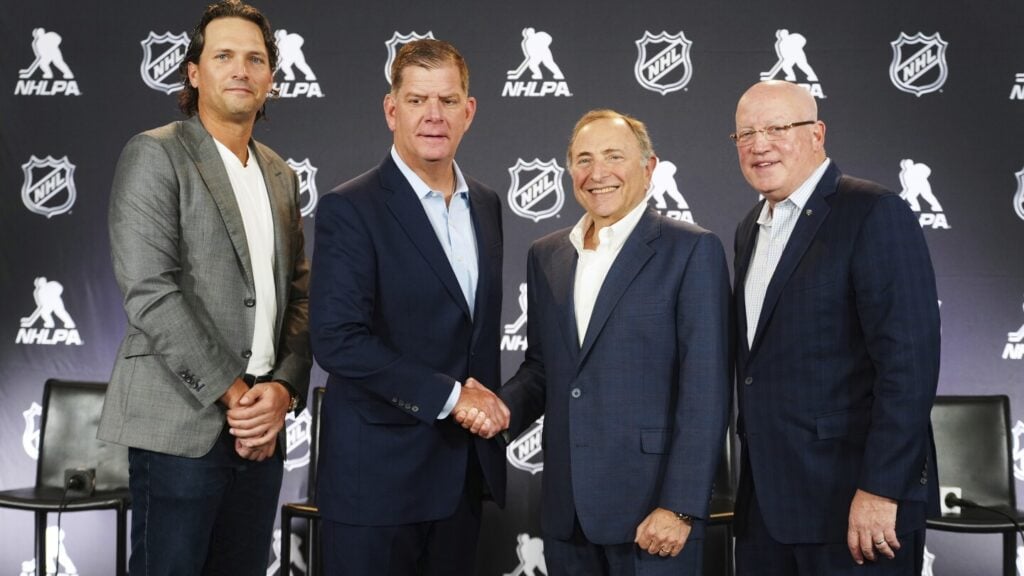
The National Hockey League (NHL) has taken a monumental step forward in supporting its former athletes through the newest Collective Bargaining Agreement (CBA) established in 2023. Beyond the well-publicized changes such as an expanded regular season and playoff salary caps, the NHL and its Players’ Association (NHLPA) have collaboratively created a Retired Players Emergency Healthcare and Wellness Fund. This fund, backed by an annual $4 million contribution, aims to address the long-neglected health and wellness needs of retired players. For the first time, all former players, regardless of career length, have access to essential medical and mental health services. This article delves into the details of this initiative, its implications for retired players, and how it reflects the league’s evolving commitment to player welfare.
Historically, the NHL has focused predominantly on the health and wellness of active players, with limited resources allocated to those who have retired. Unlike other major sports leagues, hockey lacked a comprehensive framework to support players once their careers ended. Many former players faced challenges accessing healthcare, particularly mental health services, which are critical given the physical and psychological toll of professional hockey.
The absence of structured post-career health benefits left many retired players vulnerable to medical and financial hardships. Issues such as chronic injuries, neurological conditions, and mental health struggles often went unaddressed due to insufficient support. Recognizing these gaps, the NHLPA and league officials have long discussed the need for a dedicated program to aid alumni players.
The 2023 CBA negotiations marked a turning point, with both parties agreeing to prioritize the creation of a fund specifically designed to serve retired players. This decision underscores an evolving understanding within the NHL community of the lifelong impacts of the sport and the moral responsibility to care for those who helped build the league’s legacy.
The centerpiece of the new CBA’s player welfare initiatives is the Retired Players Emergency Healthcare and Wellness Fund. The NHL and NHLPA have committed to contributing $4 million annually to this fund, ensuring sustained financial support over the life of the agreement, which runs through 2030. This funding model guarantees stability and ongoing access to vital healthcare services for retired players.
The fund’s primary mission is to provide retired players with access to family doctors and mental wellness professionals regardless of their career length or games played. Whether a player participated in a single shift or thousands of games, they qualify for assistance. This inclusive approach ensures no former player is left behind based on tenure or status.
In addition to establishing the fund, the CBA increases the insurance subsidy available to retired players from previous levels to $10,000 annually. This enhanced subsidy helps cover medical expenses, reducing the financial burden on former athletes. Together, these measures represent a comprehensive approach to addressing both emergency and ongoing healthcare needs.
Mental health has emerged as a critical concern for both active and retired NHL players. The physical demands and high-pressure environment of professional hockey can lead to long-term psychological challenges, including anxiety, depression, and post-traumatic stress. The new fund explicitly includes mental wellness support, reflecting a progressive shift in how the league views player health holistically.
Access to mental health professionals is a groundbreaking feature for retired players, many of whom previously had limited resources to address emotional and cognitive health issues. The fund facilitates confidential and accessible counseling services, helping former players navigate the transition to life after hockey and manage any lingering mental health concerns.
This focus on mental wellness also aligns with broader societal trends emphasizing the importance of mental health care. By integrating mental health services into the fund, the NHL sets a new standard for professional sports leagues, acknowledging that wellness extends beyond physical injuries to encompass emotional resilience and psychological well-being.
Glenn Healy, president and executive director of the NHL Alumni Association and a retired goaltender, has been a vocal advocate for the establishment of the fund. He describes the plan as a “Christmas Day” for retired players, highlighting its unprecedented nature and the relief it brings to alumni who previously lacked access to such comprehensive care.
Deputy Commissioner Bill Daly also emphasized the league’s appreciation for its history and the players who laid the foundation for current success. He acknowledged the significant progress made in collaboration with the Alumni Association, noting that this fund is a tangible expression of the NHL’s commitment to honoring its past.
Current players, such as St. Louis Blues forward Robert Thomas, have expressed strong support for the new CBA provisions relating to retired players. Thomas highlighted health benefits and pensions for alumni as among his favorite aspects of the agreement, reflecting a growing awareness among active players of the importance of post-career welfare.
Unlike the NHL, some other major sports leagues have historically offered more extensive post-career benefits, including health care programs and pension plans. For example, the National Football League (NFL) and National Basketball Association (NBA) have established systems to support retired athletes, though each sport faces unique challenges related to player health.
The NHL’s new fund distinguishes itself by its inclusive eligibility criteria and focus on mental wellness, areas where other leagues have sometimes fallen short. Hockey’s unique physical demands, such as the risk of concussions and long-term joint issues, make the creation of a dedicated healthcare fund particularly vital for its former players.
By aligning more closely with best practices seen in other professional sports, while tailoring support to hockey’s specific needs, the NHL is setting a new precedent. This initiative may encourage other leagues to reevaluate their own retired player programs and prioritize comprehensive health care and wellness.
The establishment of the Retired Players Emergency Healthcare and Wellness Fund signals a promising future for NHL alumni, but its success will depend on effective implementation and ongoing collaboration between the league, the NHLPA, and the Alumni Association. Ensuring that retired players are aware of and can easily access these resources is a key challenge.
Monitoring the fund’s impact over time will provide valuable insights into how well it addresses the diverse health care needs of former players. Feedback from retirees will be crucial in refining services, expanding coverage, and potentially increasing funding beyond the initial $4 million annual commitment.
Additionally, the fund may pave the way for further improvements in player welfare, including enhanced injury prevention programs for active players and expanded support for families of former athletes. This holistic approach could transform the NHL’s culture around health and wellness, fostering a stronger, more supportive hockey community.
Accessing the Retired Players Emergency Healthcare and Wellness Fund is designed to be straightforward and inclusive. Any former NHL player, regardless of the number of games played, can apply for assistance through the NHL Alumni Association. This ensures that all players, from brief call-ups to long-tenured veterans, receive equal consideration.
The fund covers a range of services including primary healthcare consultations and mental health counseling. Retired players can connect with approved healthcare providers to receive treatment, with costs covered up to the designated subsidy limits. This removes financial barriers that have historically prevented access to necessary care.
Outreach efforts are underway to inform retired players about the fund and how to utilize it effectively. The NHL Alumni Association serves as a liaison, helping players navigate the application process and coordinating with healthcare professionals. This support network aims to make the transition to post-career health management as seamless as possible.
The NHL’s introduction of the Retired Players Emergency Healthcare and Wellness Fund marks a transformative moment in the league’s history, illustrating a profound commitment to the health and well-being of its former players. By providing comprehensive medical and mental health support to all alumni, the NHL acknowledges the physical and emotional sacrifices made by those who helped shape the sport. This initiative not only fills a critical gap but also sets a precedent for other professional sports organizations to follow. As the fund matures, it promises to enhance the quality of life for retired players, fostering a culture of care and respect that extends far beyond the ice rink.
Originally reported by apnews.com. Adapted for our readers.
Keep reading
Business News
The National Drug Law Enforcement Agency has arrested multiple suspects and seized significant drug consignments in recent operations across Nigeria.
Health News
Health News tamfitronics Letters to the Editor
Health News
The Affordable Care Act (ACA), signed into law 14 years ago, has profoundly reshaped the United States h...
TAMFIS NIG LTD
Electrical and instrumentation engineering, bid preparation and consulting, IT and software.