
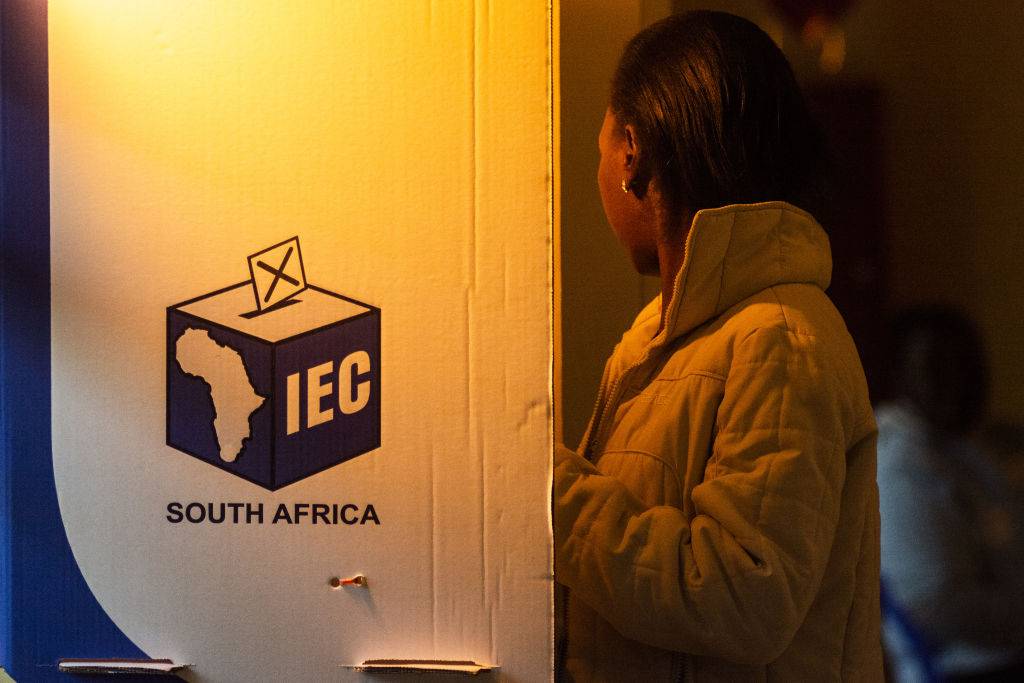
Thirty years after South Africa’s first democratic election, the country’s youth—particularly Generation Z—find themselves grappling with a complicated relationship to politics. Representing over a third of the population, this group’s political engagement is crucial for the ongoing health of the nation’s democracy. However, recent research indicates that many young South Africans are disillusioned with political parties and skeptical about the effectiveness of voting. This article explores the findings of a new study on Gen Z’s political attitudes, the factors influencing their disengagement, and the potential implications for South Africa’s democratic trajectory.
Demographic Significance and Voter Registration Gaps
According to Statistics South Africa, individuals aged 18 to 34 constitute approximately 35% of the country’s population, amounting to roughly 20.9 million people. Despite their numerical strength, voter registration data from the Electoral Commission of South Africa (IEC) reveals that only about 11.7 million young people in this age group are registered to vote. This discrepancy points to a significant gap between the potential political influence of Gen Z and their actual participation in the electoral process.
The IEC has introduced initiatives such as an online self-service voter registration platform and mass registration drives to encourage greater youth registration. For example, in early 2024, the IEC opened over 23,000 voting stations nationwide and conducted targeted registration weekends, resulting in a record 27.79 million registered voters overall. Nevertheless, the youth segment’s under-registration remains a concern, suggesting that logistical improvements alone may not fully address deeper issues of political disengagement.
Insights from the 30/30/30 Project: Gen Z’s Political Mindset
A recent study by Flux Trends, conducted in partnership with youth-focused organization Student Village, surveyed 30 young South Africans with 30 questions to mark 30 years of democracy. The 30/30/30 project aimed to understand how Gen Z perceives their role within South Africa’s democratic system—as voters, consumers, workers, and citizens.
The research found that a majority of young respondents either chose not to register to vote or were undecided about which political party to support. A prevailing sentiment was that political parties currently do not represent their interests or offer meaningful change. Many young people expressed skepticism about the ability of politics to affect their daily lives, citing a lack of trust and a perception that political discourse is dominated by personal vendettas and power struggles rather than genuine concern for youth issues.
This disconnect was echoed in interviews conducted at Johannesburg universities, where students noted that political parties seem more focused on internal conflicts and maintaining power than on addressing the needs of the younger generation. As one master’s student at the University of the Witwatersrand observed, political decisions often appear driven by image and rivalry rather than substantive youth engagement.
The ‘Happiness Versus Actuality’ Equation and Lowered Expectations
The 30/30/30 report highlights what researcher Bronwyn Williams describes as the “happiness versus actuality equation” facing Gen Z. Compared to the optimism and high expectations of the generation that fought for South Africa’s initial democratic freedoms, today’s youth exhibit a more cynical outlook with tempered expectations.
Williams explains that while the early generation anticipated sweeping changes and transformative progress, many young South Africans now approach politics with guarded realism. Their lower expectations may make them more easily satisfied with incremental improvements, but this also indicates a diminished faith in the potential for significant systemic change.
This shift in attitude is partly attributed to the complex socio-political realities of contemporary South Africa, where persistent inequalities, economic challenges, and governance issues have tempered youthful idealism.
Leadership Crisis and the Impact on Youth Political Engagement
Activist group So We Vote points to the quality of political leadership as a key factor influencing Gen Z’s waning enthusiasm for elections. Unlike the first democratic election in 1994, which presented a clear and inspiring alternative, today’s political landscape is perceived as fragmented and lacking credible options.
Otsile Nkadimeng, director of So We Vote, notes that the absence of a compelling alternative makes it difficult for young voters to place their trust in any party. The complexity of current issues and the perceived absence of visionary leadership contribute to uncertainty about who can genuinely represent youth interests.
This leadership vacuum risks perpetuating a cycle where young voters either abstain or default to established parties out of habit rather than conviction, potentially undermining the dynamism of South Africa’s democracy.
Potential Consequences and Comparisons with Global Trends
Williams warns that South Africa could face challenges similar to those experienced by other countries where youth disengagement from politics has contributed to economic and social stagnation. For example, China’s economic slowdown following the one-child policy is cited as a cautionary tale, although some young South Africans believe South Africa’s voter registration system and demographic dynamics differ significantly.
The concern is that if Gen Z remains politically inactive or disillusioned, the country may struggle to address pressing issues such as unemployment, inequality, and social cohesion. Youth participation is essential for injecting fresh perspectives and energy into democratic processes, and their absence could exacerbate existing fractures within society.
Encouragingly, South Africa’s youth continue to demonstrate strong activism in other arenas, suggesting that political engagement could be revitalized if parties and leaders better address their concerns.
What this means
As South Africa reflects on three decades of democracy, the political disengagement of Generation Z poses a significant challenge to the nation’s democratic future. While logistical efforts to increase voter registration have seen some success, deeper issues of trust, representation, and leadership quality must be addressed to re-engage young voters. The ‘happiness versus actuality’ mindset of Gen Z underscores a pragmatic but cautious approach to politics that demands responsiveness and authenticity from political actors. For South Africa to sustain and deepen its democracy, it will be essential to bridge the gap between youth expectations and political realities, fostering meaningful participation and revitalizing the democratic promise for the country’s largest generation.
This article was curated with AI assistance and reviewed according to Tamfis editorial settings.