Top Stories
KFF Health News’ ‘What the Health?’: The Supreme Court and the Abortion Pill
Since the Supreme Court overturned Roe v. Wade in 2022, the landscape of abortion rights in the United S...
TAMFIS NIG LTDRC 8067447CAC ACTIVEFinima, Bonny Island, Rivers State

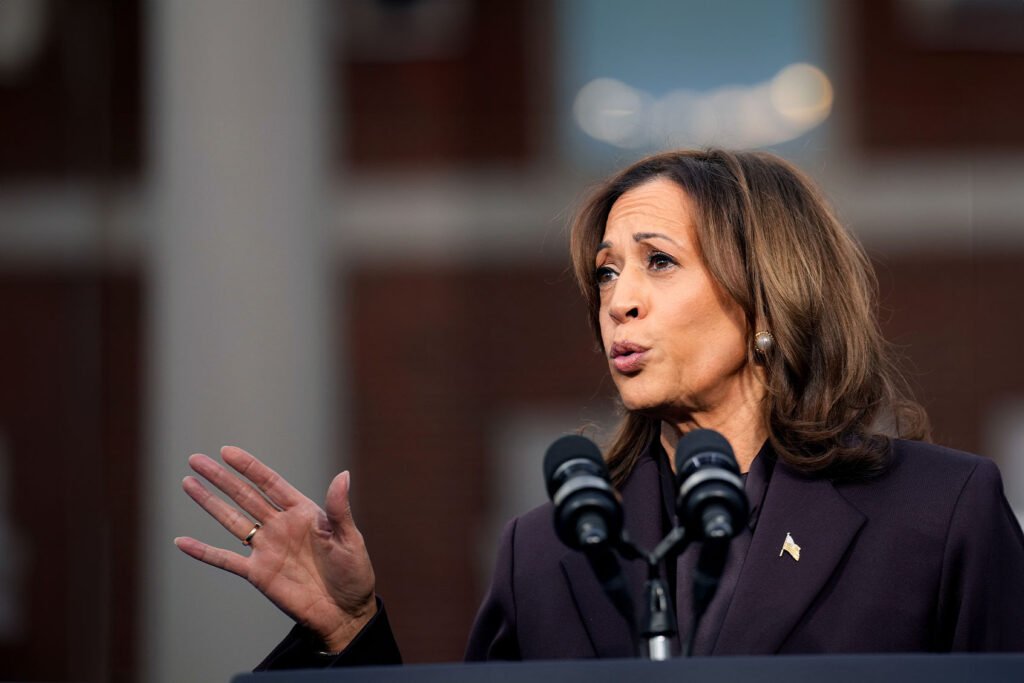
In a significant political development, former Vice President Kamala Harris declared that she will not pursue the governorship of California in the 2026 election. As the current Governor Gavin Newsom approaches the end of his second term and cannot seek re-election, many anticipated Harris might aim for the state's top executive role. However, after deep reflection following her 2024 presidential election loss, Harris has chosen instead to focus on public service outside elected office. This article explores the implications of Harris’s decision, her reflections on public service, and what it means for California and national politics moving forward.
Kamala Harris announced her decision not to run for California governor in 2026, a move that surprised many political observers. After her unsuccessful 2024 presidential bid, Harris took time for introspection to determine where she could best serve the American people. She emphasized her commitment to public service, stating that improving the system from within has always been her guiding principle.
Harris’s tenure in California politics is notable, having served as the state’s Attorney General and U.S. Senator before becoming Vice President. Despite her deep ties to California and affection for its residents, she concluded that a gubernatorial run was not the right path at this moment in her career. This marks a rare pause in her pursuit of elected office, signaling a strategic recalibration.
Her announcement underscores a broader trend among prominent politicians who are reconsidering their paths after significant election outcomes. Rather than immediately seeking another office, Harris plans to engage in public service through other avenues, such as political organizing and advocacy, focusing on empowering Democratic candidates nationwide.
Governor Gavin Newsom, who has served two terms, is ineligible to run for a third consecutive term in 2026 due to term limits. This has created a highly anticipated open race for California’s governorship, attracting speculation about potential candidates. Harris was widely viewed as a frontrunner given her extensive California political background and national profile.
Newsom’s tenure has been marked by ambitious policy initiatives on climate change, healthcare, and social justice, setting a high bar for his successor. The absence of an incumbent candidate opens the field, prompting discussions about who can continue or reshape California’s progressive agenda.
With Harris stepping out of the race, other political figures within California’s Democratic Party and beyond are likely to vie for the nomination. This development adds a new dimension to the contest, as candidates recalibrate their strategies in light of Harris’s decision.
In her public statement, Harris highlighted her identity as a 'devout public servant' and her belief in working within systems to bring about meaningful change. This philosophy has shaped her career, from district attorney to Vice President, emphasizing reform and systemic improvements.
Her choice to pause from elected office reflects a strategic approach to her political future. Rather than rushing into another campaign, Harris is taking time to reassess how she can maximize her impact, potentially through grassroots engagement, political endorsements, and policy advocacy.
Harris’s longtime advisor, Sean Clegg, noted that while she seriously considered a gubernatorial run, she ultimately trusted her instincts to pursue influence outside of elected positions for the time being. This suggests a deliberate plan to build broader political capital and connections before re-entering electoral politics.
Kamala Harris’s decision not to run for governor has sparked speculation about her intentions for the 2028 presidential race. By stepping back from state-level office, she may be positioning herself for a future national campaign, using this period to strengthen her base and refine her platform.
Governor Gavin Newsom has also not ruled out a 2028 presidential bid, which could set up an intriguing dynamic between two prominent California Democrats. Both politicians have significant national profiles, and their decisions will influence the Democratic Party’s direction in upcoming election cycles.
This pause in Harris’s electoral ambitions allows her to focus on building alliances and supporting Democratic candidates across the country, enhancing her political network and laying groundwork for potential future campaigns.
Democratic leaders have generally welcomed Harris’s commitment to supporting party candidates nationwide. Congressman Robert Garcia expressed enthusiasm about her plans to help flip the House and regain Congressional control, highlighting her continued influence within the party despite not seeking office.
Republican figures, on the other hand, framed Harris’s announcement as a political defeat. The Republican Governors Association suggested this marked the end of her political career, crediting former President Donald Trump for contributing to her electoral setbacks.
These contrasting reactions reflect the polarized political environment in the U.S., where Harris remains a significant figure symbolizing Democratic leadership and progressive policies, while also a target for conservative criticism.
With Harris out of the race, California’s gubernatorial contest is expected to become more competitive and diverse. Potential candidates from various political backgrounds will likely emerge, each aiming to build on or diverge from Newsom’s legacy.
The absence of a high-profile contender like Harris may open opportunities for rising stars within the state’s Democratic Party as well as moderate candidates seeking to appeal to a broader electorate. This could lead to a dynamic primary season with robust debates on key issues facing California.
California’s political landscape remains pivotal nationally due to its size, economy, and progressive policies. The governor elected in 2026 will play a crucial role in shaping state and national agendas, especially in areas like climate change, immigration, and economic recovery.
Kamala Harris’s career has been marked by historic milestones, including being the first female, Black, and South Asian Vice President of the United States. Her rise from California’s Attorney General to national leadership has inspired many and reshaped perceptions of political possibility.
Her decision to step back from elected office does not diminish her legacy but rather reflects an evolution in how she chooses to serve. By focusing on advocacy, mentorship, and political mobilization, Harris aims to continue influencing policy and public discourse.
As she embarks on this new chapter, Harris’s impact will likely be felt through the candidates she supports and the causes she champions, reinforcing her commitment to justice, equity, and systemic reform.
Looking ahead, Kamala Harris is expected to remain a prominent voice in American politics, using her platform to engage with voters and support Democratic initiatives nationwide. Her decision not to run for governor signals a strategic pause rather than a retreat from public life.
For California, the 2026 gubernatorial race will be a defining moment, with new leaders emerging to address the state’s challenges and opportunities. The political vacuum created by Harris’s absence may encourage fresh ideas and leadership styles to take center stage.
Ultimately, Harris’s future endeavors and California’s political evolution will be closely watched by observers across the country, as both continue to influence the broader trajectory of U.S. governance and policy.
Kamala Harris’s announcement that she will not run for California governor in 2026 marks a pivotal moment in her political career and the state’s gubernatorial race. By choosing to step back from elected office, Harris is recalibrating her role in American politics, focusing on broader public service and possibly laying the groundwork for future national ambitions. This decision opens the door for new leadership in California and reshapes the political landscape as the state prepares for a consequential election. Harris’s commitment to public service endures, promising continued influence through advocacy and support for Democratic causes across the country.
Originally reported by salon.com. Adapted for our readers.
Keep reading
Top Stories
Since the Supreme Court overturned Roe v. Wade in 2022, the landscape of abortion rights in the United S...
Top Stories
Top Stories Tamfitronics One evening in May, nursing assistant Debra Ragoonanan’s vision blurred during her shift at a state-run Massachusetts vet...
TAMFIS NIG LTD
Electrical and instrumentation engineering, bid preparation and consulting, IT and software.