


How AI is Transforming Engineering Consulting: A New Era of Intelligence and Efficiency


The engineering consulting landscape is undergoing a profound transformation, driven by the rapid advancements in Artificial Intelligence (AI). What was once the domain of complex manual calculations, extensive data analysis, and iterative design processes is now being augmented and, in some cases, revolutionised by intelligent algorithms. This tutorial explores how AI is reshaping the role of engineering consultants, enhancing their capabilities, and unlocking unprecedented value for clients.
Whether you’re an engineering consultant looking to embrace new tools, a business leader considering engaging consultants, or simply curious about the intersection of technology and professional services, this guide will illuminate the impact of AI on this vital sector.
Introduction: From Expertise to “Augmented Expertise”
Engineering consulting has traditionally relied on the deep domain knowledge, experience, and analytical prowess of human experts. While these human elements remain irreplaceable, AI is emerging as a powerful co-pilot, augmenting consultants’ abilities and allowing them to operate at a higher level of efficiency and insight.
AI, in its various forms (Machine Learning, Deep Learning, Natural Language Processing, Computer Vision), empowers engineering consultants to:
- Process vast amounts of data at unprecedented speed.
- Identify complex patterns and correlations that humans might miss.
- Automate repetitive and time-consuming tasks.
- Generate and optimise designs with greater precision.
- Predict outcomes and assess risks with higher accuracy.
- Enhance communication and collaboration.
The shift is not about replacing consultants but about empowering them to deliver superior value, tackle more complex problems, and innovate faster.
Chapter 1: AI’s Core Applications in Engineering Consulting
Let’s delve into the specific ways AI is being applied across the engineering consulting lifecycle.
1. Data Analysis and Insight Generation: The Brainpower Booster
Engineering projects generate immense amounts of data – from sensor readings in industrial facilities to geospatial data for infrastructure, historical project performance, and material properties. AI excels at making sense of this “big data.”
- Predictive Analytics for Project Performance: AI models can analyse historical project data (budgets, schedules, risks, resource allocation) to predict potential delays or cost overruns in new projects. This allows consultants to proactively advise clients on risk mitigation strategies.
- Example (Nigeria): For a major infrastructure project in Lagos, AI can analyse data from past road construction projects, factoring in local weather patterns, material delivery challenges, and labour availability, to provide more accurate timeline predictions and resource allocation.
- Performance Optimisation: AI algorithms can monitor real-time operational data from industrial plants (e.g., in the Niger Delta’s oil and gas facilities, or manufacturing plants in Ogun State) to identify inefficiencies, predict equipment failures (predictive maintenance), and recommend optimal operating parameters to maximise output and minimise energy consumption.
- Market Analysis & Feasibility Studies: AI can rapidly process market trends, regulatory changes, and economic indicators to provide more comprehensive and nuanced feasibility assessments for new projects (e.g., assessing the viability of a new renewable energy plant in Northern Nigeria).
- Anomaly Detection: AI can quickly flag unusual patterns in data that might indicate equipment malfunction, security breaches, or deviations from design specifications.
2. Design and Optimisation: The Creative Collaborator
AI is moving beyond just analysis to actively assist in the design process, leading to more innovative and efficient solutions.
- Generative Design: Consultants can feed AI algorithms design parameters (e.g., material properties, load requirements, space constraints), and the AI can rapidly generate thousands of optimal design alternatives. This is particularly valuable for structural components, fluid dynamics, or complex mechanical parts.
- Impact: Reduces design time, explores unconventional but highly efficient designs that humans might not conceive, and helps consultants present a wider range of options to clients.
- Simulation & Modelling Enhancement: AI can accelerate and improve the accuracy of complex simulations (e.g., Finite Element Analysis – FEA, Computational Fluid Dynamics – CFD) by learning from previous simulation runs, optimising mesh quality, and predicting outcomes faster.
- Optimised Resource Allocation (e.g., in Construction): For large construction projects, AI can optimise the scheduling of equipment, materials, and labour, minimising idle time and improving site logistics. This is particularly relevant in densely populated areas like Abuja or Port Harcourt where logistical challenges are significant.
- Smart Building Design: AI assists in designing energy-efficient buildings by simulating various architectural configurations, HVAC systems, and lighting solutions to predict energy consumption and occupant comfort.
3. Automation of Repetitive Tasks: Freeing Up Human Potential
A significant portion of a consultant’s work involves repetitive, data-intensive, or administrative tasks. AI is automating these, allowing consultants to focus on high-value, strategic activities.
- Automated Report Generation: AI can summarise data, extract key insights, and even draft sections of reports, freeing up consultants for more in-depth analysis and client interaction.
- Document Analysis and Contract Review: Natural Language Processing (NLP) can quickly scan vast amounts of technical documents, legal contracts, or regulatory texts to extract relevant information, identify clauses, and flag discrepancies.
- Example: Reviewing environmental impact assessments (EIAs) or compliance documents for large industrial projects in Nigeria.
- Data Entry and Cleaning: Robotic Process Automation (RPA) tools can automate data extraction from various sources and ensure data quality, reducing errors and saving time.
- Basic Inquiries & Chatbots: For initial client queries or internal knowledge management, AI-powered chatbots can provide instant answers, directing more complex issues to human consultants.
4. Enhanced Project Management: The Intelligent Overseer
AI tools are transforming how engineering consulting projects are managed, leading to better outcomes.
- Risk Prediction & Management: AI can continuously monitor project variables and external factors to predict potential risks (e.g., supply chain disruptions, regulatory hurdles, resource shortages) and suggest proactive mitigation strategies.
- Schedule Optimisation: AI can dynamically adjust project schedules based on real-time progress, resource availability, and unforeseen delays, ensuring more realistic and achievable timelines.
- Resource Forecasting: AI can forecast future resource needs based on project pipeline and historical data, helping consulting firms optimise staffing and recruitment.
- Performance Monitoring & KPI Tracking: AI dashboards can provide real-time insights into project KPIs, allowing consultants to quickly identify areas needing attention.
5. Client Interaction & Business Development: The Strategic Enabler
AI is also changing how consulting firms engage with clients and grow their business.
- Personalised Proposals: AI can help consultants analyse client needs and past interactions to generate highly customised and persuasive project proposals.
- Lead Generation & Market Intelligence: AI-powered tools can identify potential clients, market trends, and emerging opportunities, giving consulting firms a competitive edge.
- Knowledge Management: AI can organise and make accessible the vast internal knowledge base of a consulting firm, allowing consultants to quickly find relevant past projects, best practices, and expert insights to better serve clients.
Chapter 2: Benefits for Engineering Consulting Firms and Clients
The integration of AI brings significant advantages to all stakeholders.
For Engineering Consulting Firms:
- Increased Efficiency & Productivity: Automating mundane tasks frees up consultants for higher-value activities.
- Enhanced Decision-Making: Data-driven insights lead to more accurate recommendations and better project outcomes.
- Competitive Advantage: Firms leveraging AI can offer superior services, faster turnaround times, and more innovative solutions.
- Cost Reduction: Optimised processes and reduced rework lead to operational cost savings.
- Improved Employee Satisfaction: Consultants spend less time on repetitive tasks and more time on challenging, engaging work.
- Attraction & Retention of Talent: Offering cutting-edge tools makes firms more attractive to top engineering and data science talent.
- New Service Offerings: AI capabilities allow firms to offer new, specialised consulting services (e.g., AI-driven predictive maintenance consulting, digital twin development).
For Clients:
- Faster Project Delivery: Streamlined processes and optimized designs accelerate timelines.
- Reduced Costs: More efficient designs, better risk management, and optimised operations lead to cost savings.
- Higher Quality & Reliability: AI-driven analysis reduces errors and improves system performance.
- Improved Risk Management: Better prediction and mitigation of potential project risks.
- Innovative Solutions: Access to cutting-edge designs and operational strategies.
- Greater Transparency: AI-powered dashboards and reports can provide clearer insights into project progress and performance.
- Sustainable Outcomes: AI can optimise designs for environmental impact, leading to greener solutions (e.g., energy efficiency in buildings, optimised waste management).
Chapter 3: Challenges and Ethical Considerations in AI Adoption
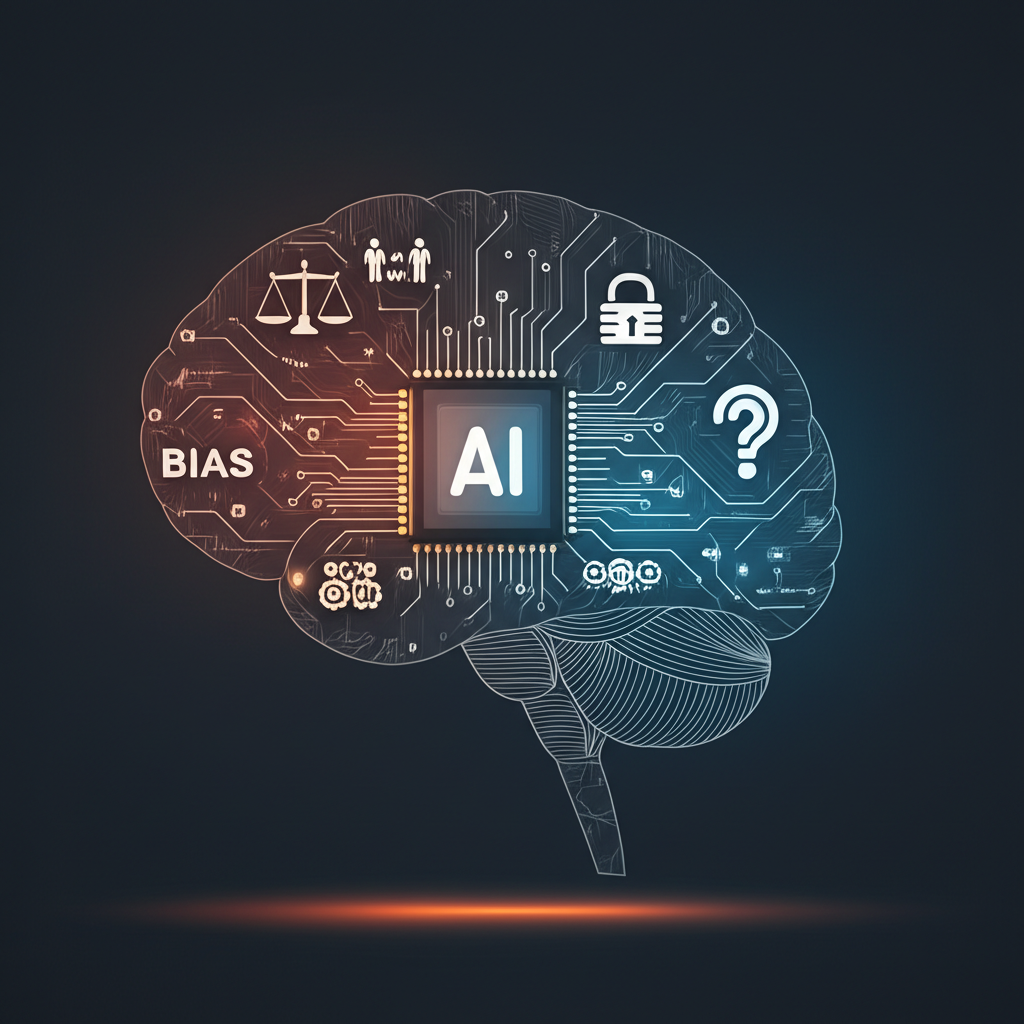
While the benefits are compelling, adopting AI in engineering consulting is not without its hurdles, particularly in a context like Nigeria.
- Data Quality & Availability: AI relies on high-quality, relevant data. Legacy systems, siloed data, and poor data governance can hinder effective AI implementation. For some sectors in Nigeria, historical data might be scarce or incomplete.
- Talent Gap: A shortage of professionals skilled in both engineering and AI (data scientists, machine learning engineers) is a significant challenge. Investment in upskilling existing staff and attracting new talent is crucial.
- Integration with Legacy Systems: Many established engineering firms and their clients operate with older software and infrastructure. Integrating new AI tools seamlessly can be complex and costly.
- Cost of Implementation: Initial investments in AI software, hardware, and training can be substantial, particularly for smaller consulting firms.
- Trust and Interpretability (Explainable AI – XAI): Engineers and clients need to trust AI-generated recommendations. “Black box” AI models, where the reasoning behind a decision is unclear, can be a barrier to adoption, especially in safety-critical applications.
- Ethical Concerns & Bias: AI models can perpetuate or amplify biases present in the training data, leading to unfair or suboptimal outcomes. Ensuring ethical AI use and mitigating bias is paramount.
- Regulatory & Legal Frameworks: The regulatory landscape for AI is still evolving. Consultants need to stay abreast of local (e.g., Nigerian AI strategy) and international regulations regarding data privacy, accountability, and liability.
- Resistance to Change: Some consultants or client personnel might resist adopting new AI tools, fearing job displacement or due to a lack of understanding. Change management and clear communication are vital.
- Cybersecurity Risks: AI systems, particularly those processing sensitive project data, present new cybersecurity vulnerabilities that need to be addressed robustly.
Chapter 4: The Future of Engineering Consulting with AI
The journey of AI in engineering consulting is just beginning. We can anticipate several key trends:

- Deep Specialisation with AI: Consulting firms will increasingly differentiate themselves by their AI capabilities in specific engineering domains (e.g., AI for seismic analysis, AI for urban planning in smart cities, AI for complex industrial process control).
- The “Augmented Consultant”: Human consultants will become even more critical, focusing on complex problem-solving, strategic thinking, client relationships, ethical oversight, and interpreting AI insights. They will be “super-consultants” powered by AI.
- Broader Adoption of Digital Twins: AI will enhance the creation and functionality of digital twins, allowing consultants to model, simulate, and optimise real-world assets and processes with unprecedented accuracy and in real-time.
- Predictive and Prescriptive Consulting: Moving beyond just identifying problems, AI will enable consultants to proactively predict issues and prescribe specific, data-backed solutions before problems even arise.
- Democratisation of Advanced Analytics: AI tools will become more user-friendly, making advanced analytical capabilities accessible to a wider range of consultants without needing deep data science expertise.
- Focus on AI Governance & Ethics: As AI becomes more pervasive, consulting firms will need to establish robust frameworks for AI governance, ensuring responsible, ethical, and unbiased application.
Conclusion: Embracing the Intelligent Evolution
AI is not a passing fad in engineering consulting; it is a fundamental shift that will redefine the profession. Firms that proactively embrace AI will be better positioned to attract top talent, deliver superior client value, and maintain a competitive edge.
For engineering consultants in Nigeria and globally, this means a continuous commitment to learning, adapting, and integrating AI tools into their workflows. The future of engineering consulting is intelligent, efficient, and profoundly impactful, driven by the powerful synergy of human ingenuity and artificial intelligence. Embrace the change, and power progress with unparalleled insight.
