
Business
Nigeria’s Broken Systems: Why Failure Persists and What Must Change
An analysis of the structural and institutional factors that entrench governance failures in Nigeria, from patronage politics and weakened oversight to the urgent need…
TAMFIS NIG LTDRC 8067447CAC ACTIVEFinima, Bonny Island, Rivers State

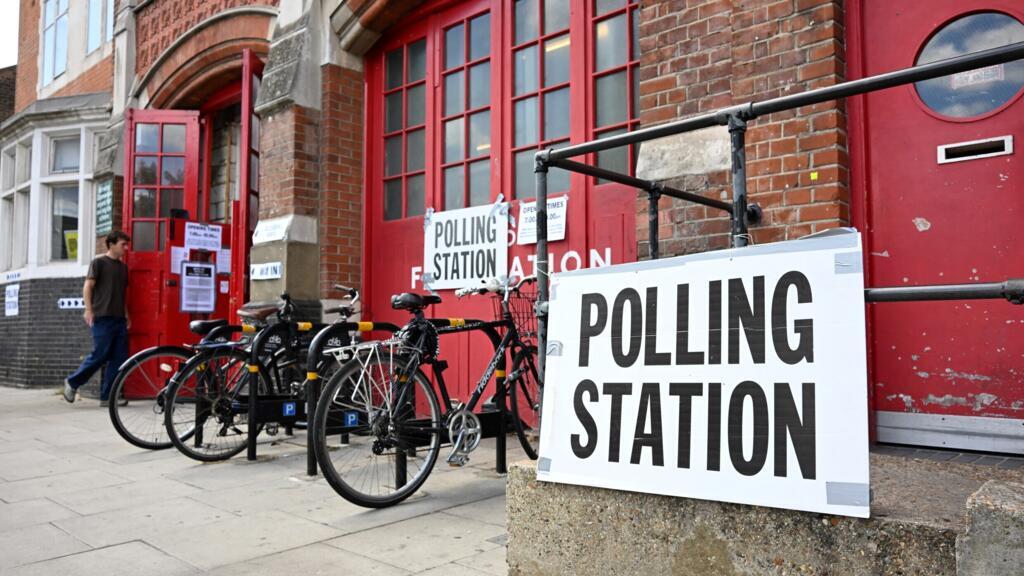
The voting age for all UK-wide elections will be lowered from 18 to 16 before the next general election, Deputy Prime Minister Angela Rayner confirmed on 17 July 2025. The change fulfils a key Labour manifesto pledge and extends the franchise to about 1.5 million 16- and 17-year-olds across England, Northern Ireland, Scotland and Wales. It brings the whole UK into line with Scotland and Wales, where 16- and 17-year-olds already vote in devolved and local elections. Proponents argue that if young people are old enough to work, pay taxes and join the armed forces, they should have a say in how those contributions are used. The reform is part of a wider package of electoral modernisation, including automatic voter registration and expanded voter ID options, aimed at boosting participation and strengthening democratic engagement.
The core rationale for lowering the voting age rests on the principle of 'no taxation without representation'. Prime Minister Keir Starmer said 16- and 17-year-olds are old enough to work and pay taxes, and should therefore have the opportunity to influence how public money is spent. Democracy Minister Rushanara Ali reinforced the point, noting that young people can work full-time, pay income tax and National Insurance, and join the armed forces from 16. Supporters argue that if society trusts them with these economic and civic responsibilities, it is inconsistent to deny them a voice in electing the government that sets tax policy and allocates public funds.
Advocates also point to other legal rights held at 16, including the ability to marry with parental consent, leave home, consent to medical treatment and enter full-time employment. They see the change not as a radical departure but as a logical extension of existing norms, aligning electoral rights with other markers of adulthood and civic participation. Evidence from Scotland and Wales, where 16- and 17-year-olds already vote in devolved and local elections, supports this view: turnout among this group has been comparable to, and sometimes higher than, that of slightly older voters, countering fears of apathy or poor decision-making.
Proponents argue that earlier enfranchisement helps establish a lifelong habit of voting. Research from Austria, where 16-year-olds have voted in national elections since 2007, suggests that starting to vote while still in education correlates with higher long-term turnout. Voting while at school also creates an opportunity to integrate political literacy and practical participation into the curriculum.
A larger youth electorate may increase political accountability. Politicians could face greater pressure to address issues that matter to younger voters, such as climate change, education funding, mental health services and housing affordability, which have often been underrepresented in debates dominated by older demographics. Including youth perspectives is also seen as enriching democratic discourse, since young people have a direct, long-term stake in decisions on the environment, economy and public services.
Critics remain concerned about maturity and consistency. Shadow Communities Minister Paul Holmes MP noted that 16-year-olds will be able to vote but not stand as candidates, buy lottery tickets or consume alcohol. Some Conservative and Reform UK figures have also suggested the move is politically motivated, arguing that younger voters tend to lean towards centre-left parties. Former home secretary James Cleverly claimed Labour had introduced the change because it was 'tanking in the polls'. However, experience in Scotland and Wales has not borne out fears of low youth turnout, with participation rates often matching or exceeding those of 18- to 24-year-olds.
The voting-age change is part of a wider set of reforms designed to modernise UK democracy and remove barriers to participation. The government will introduce automatic voter registration, which is expected to add millions of people to the electoral roll, particularly among young people, private renters and others who have been underrepresented because of complex registration processes.
The legislation will also expand the forms of ID accepted at polling stations. In response to criticism of the previous Conservative government's mandatory photo ID policy, which reportedly disenfranchised about 750,000 people in the last general election, voters will now be able to use UK-issued bank cards alongside passports and driving licences. This aims to help people who may lack photo ID but have access to basic banking services.
Other measures include tighter rules on political donations to prevent foreign interference. Donations from British companies will require verification that the funds come from genuine commercial activity, with parties responsible for checking that no foreign influence has entered the process. The government also plans tougher penalties for harassment or threats against political candidates, seeking to protect democratic discourse and encourage wider participation in public life. With Labour's parliamentary majority, the legislation is expected to pass, reshaping the UK's electoral landscape and forcing political parties to adapt their outreach to younger audiences.
Lowering the voting age to 16 is a substantial move towards a more inclusive UK democracy. By extending the franchise to young people who already carry significant economic and civic responsibilities, the government is responding to a long-standing fairness argument. Debates over maturity and political motivation are likely to continue, but experience in Scotland and Wales suggests that 16- and 17-year-olds can engage thoughtfully when given the chance. The real test will be how well political institutions, parties and educators adapt to listen and respond to a younger electorate. Combined with automatic registration and more accessible ID requirements, the reform signals a broader effort to treat young people not as future citizens, but as present stakeholders in the country's democratic and economic future.
Originally reported by france24.com. Adapted for our readers with AI assistance.
Keep reading
Business
An analysis of the structural and institutional factors that entrench governance failures in Nigeria, from patronage politics and weakened oversight to the urgent need…
Politics
Yari says the APC will emphasise Tinubu’s achievements in 2027. This analysis explains how voters can examine outcomes, baselines and campaign evidence.
Lifestyle
Obi says his wife funds her own purchases. This analysis separates his explanation, unverified handbag prices and the evidence needed to assess public spending.
TAMFIS NIG LTD
Electrical and instrumentation engineering, bid preparation and consulting, IT and software.

