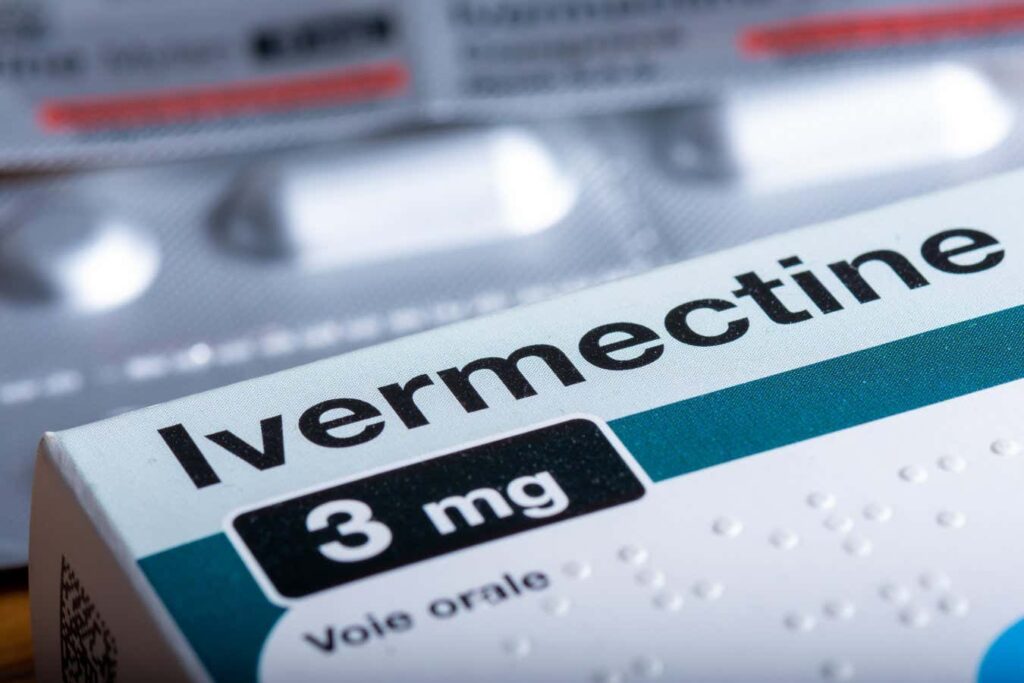
The truth about ivermectin’s supposed health benefits
Ivermectin is a medication originally developed to combat parasitic infections, gaining global recognition for its impact on tropical diseases. However, during the COVID-19 pandemic, it became the subject of widespread debate and misinformation as some claimed it could prevent or treat the virus. Despite extensive research disproving its effectiveness against COVID-19, ivermectin remains a valuable drug with potential applications still under investigation. This article provides a clear, evidence-based overview of ivermectin’s medical uses, the scientific findings related to COVID-19 and cancer, and important safety information for the public.
What Is Ivermectin and Its Established Uses?
Ivermectin was developed in 1975 by the pharmaceutical company Merck as an antiparasitic agent. It is effective against a broad range of parasitic worms and is approved by the U.S. Food and Drug Administration (FDA) to treat onchocerciasis (river blindness) and intestinal strongyloidiasis. These parasitic infections, while rare in high-income countries, affect millions in lower-income regions, making ivermectin a critical tool in global health efforts to reduce the burden of neglected tropical diseases.
Beyond these uses, ivermectin is also employed in some countries to treat lymphatic filariasis and scabies, conditions that cause significant morbidity in affected populations. Its impact is so significant that its discoverers were awarded the Nobel Prize in Physiology or Medicine in 2015. Additionally, topical formulations of ivermectin have FDA approval for treating head lice and the skin condition rosacea, demonstrating its versatility in dermatological applications.
Ivermectin is also widely used in veterinary medicine to prevent and treat parasitic infections such as heartworms and roundworms in animals. However, the formulations designed for animals differ from those intended for human use, and the FDA strongly advises against using veterinary ivermectin products in people due to differences in dosage and safety profiles.
Ivermectin and COVID-19: What Does the Evidence Say?
During the COVID-19 pandemic, ivermectin attracted attention as a potential treatment or preventive measure against the virus, fueled by anecdotal reports and endorsements from some public figures. Early small-scale studies suggested it might inhibit viral replication or improve recovery, but these initial findings were not supported by more rigorous research.
Large, well-designed clinical trials have consistently shown no benefit of ivermectin in treating or preventing COVID-19. For instance, a 2022 study involving over 3,500 COVID-19 patients found no significant difference in hospitalization rates between those treated with ivermectin and those given a placebo. Similarly, a 2023 study with more than 1,400 adults demonstrated that ivermectin did not accelerate recovery from COVID-19 compared to placebo.
Despite these conclusive results, misinformation and anecdotal claims have kept ivermectin in public discourse as a supposed COVID-19 remedy. Health authorities, including the FDA and the World Health Organization, do not recommend ivermectin for COVID-19 treatment outside of clinical trials, emphasizing the importance of relying on scientifically validated therapies. The hype surrounding ivermectin during the pandemic highlights the challenges of misinformation in public health crises and underscores the need for clear communication based on evidence.
Exploring Ivermectin’s Potential Role in Cancer Treatment
Ivermectin is not approved for cancer treatment and has not undergone clinical trials specifically for this purpose. Nevertheless, preliminary research has suggested it could have a role when combined with immunotherapy, a treatment approach that stimulates the immune system to attack cancer cells.
About a decade ago, researchers at the City of Hope in Los Angeles discovered that ivermectin might induce immunogenic cell death, a process by which dying cancer cells trigger an immune response that helps the body recognize and attack tumors. This finding emerged from screening FDA-approved drugs for their effects on cancer cells, revealing ivermectin’s unexpected potential.
In mouse models of metastatic triple-negative breast cancer, one of the most aggressive and difficult-to-treat breast cancers, combining ivermectin with immunotherapy significantly improved survival rates compared to immunotherapy alone. Forty percent of mice treated with the combination therapy survived past 80 days, whereas none treated with immunotherapy alone lived beyond 50 days. However, ivermectin by itself did not demonstrate significant anticancer effects, indicating its potential lies in combination with other treatments.
Current clinical trials are investigating the efficacy and safety of ivermectin combined with immunotherapies in humans, with results anticipated in the near future. Additional studies are exploring similar effects in pancreatic and colon cancer cells, suggesting a broader potential application. While these findings are promising, experts caution that success in animal models does not guarantee effectiveness in human patients, and more research is needed to establish clinical benefit.
Safety and Side Effects of Ivermectin
Ivermectin is generally safe when used appropriately at prescribed doses for approved indications. Common side effects may include nausea, vomiting, diarrhea, dizziness, and low blood pressure. These effects are usually mild and transient.
However, misuse or overdose of ivermectin can lead to serious adverse effects such as seizures, coma, and even death. The drug can also interact with other medications, including blood thinners, increasing the risk of complications. This underscores the importance of medical supervision when using ivermectin.
Medical experts strongly advise against self-medicating with ivermectin, especially using formulations intended for animals, which differ in concentration and purity. Improper use can lead to toxicity and severe health consequences. Researchers emphasize that while ivermectin has potential benefits, these must be realized through controlled clinical use rather than unsupervised consumption.
The COVID-19 pandemic highlighted the dangers of misinformation and the risks associated with using medications outside their approved purposes. Ivermectin’s story serves as a cautionary tale about the need for evidence-based medicine and the importance of consulting healthcare professionals before using any drug.
What this means
Ivermectin’s journey from a vital antiparasitic medication to a controversial figure during the COVID-19 pandemic highlights the importance of evidence-based medicine and cautious interpretation of emerging research. While it remains a cornerstone in treating certain parasitic infections worldwide, its role in COVID-19 has been disproven by rigorous studies. Early cancer research offers intriguing possibilities for ivermectin as an adjunct to immunotherapy, but these findings require further validation through clinical trials. Above all, safe and effective use of ivermectin depends on medical guidance and adherence to approved indications, underscoring the risks of self-medication and misinformation. As science advances, ivermectin may yet prove valuable in new therapeutic contexts, but for now, its proven benefits lie firmly in its antiparasitic legacy.
Originally reported by newscientist.com. Adapted for our readers with AI assistance.
Recent advances in machine perfusion technology are not only preserving donated livers but also making them biologically younger at a molecular level. This breakthrough…
The US Department of Health and Human Services (HHS) recently released a report linking “gender ideology” to leftwing authoritarianism and political violence – a…