
Business
Precast Cement Concrete Blocks: Enhancing Masonry Construction Efficiency and Durability
Precast cement concrete blocks have become a staple in modern masonry construction, offering a blend of ...
TAMFIS NIG LTDRC 8067447CAC ACTIVEFinima, Bonny Island, Rivers State

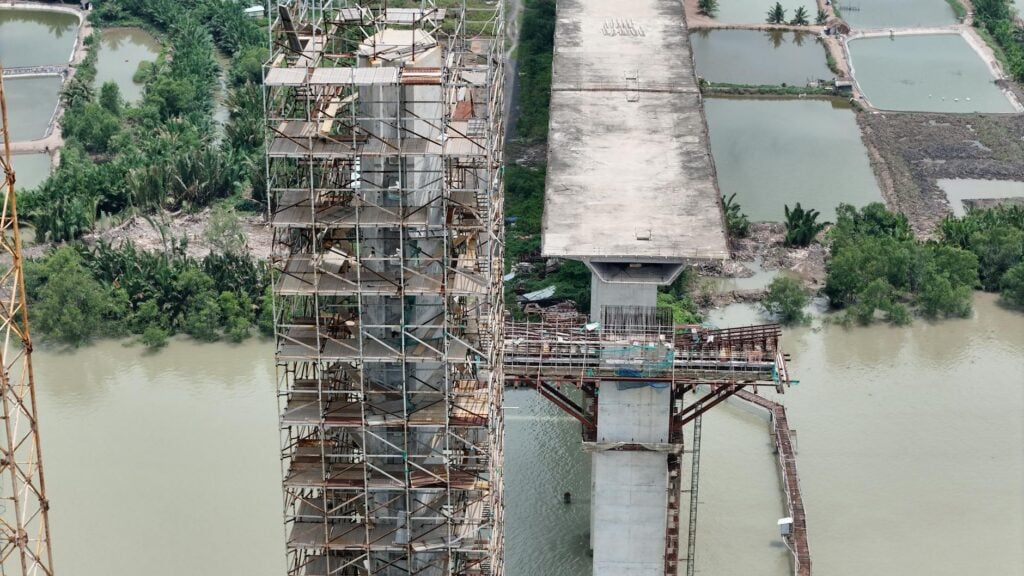
Road construction is a pivotal infrastructure activity that directly influences economic development, accessibility, and connectivity within and across nations. The choice of construction material—primarily concrete or asphalt—plays a crucial role in determining road durability, maintenance, and overall performance. This article provides a comprehensive, step-by-step exploration of road construction techniques in Nigeria, the UK, America, and Canada, emphasizing how local environmental conditions, material availability, and engineering standards shape these processes. By comparing these countries, we gain insights into the technological and practical variations that affect road building outcomes globally.
Road infrastructure varies widely depending on purpose and traffic demands. Highways facilitate high-speed, long-distance travel; local roads serve residential and urban areas; while access roads connect properties and facilities to main transport networks. Each road type requires specific design and material considerations to optimize performance and longevity.
Concrete and asphalt dominate road construction materials due to their distinct properties. Concrete, a mixture of cement, aggregates, and water, is known for its rigidity, strength, and longevity, making it ideal for highways and urban thoroughfares. Its durability reduces frequent maintenance but demands higher initial costs and longer curing times.
Asphalt, composed of bitumen and aggregates, offers flexibility and ease of installation. It is favored for local roads and highways where quicker construction and easier repairs are priorities. Asphalt’s ability to adapt to temperature fluctuations and traffic loads makes it widely used, though it may require more frequent maintenance than concrete.
In Nigeria, road planning often involves community consultations to align infrastructure with local needs and socio-economic contexts. Environmental assessments are conducted but may vary in rigor due to resource constraints. Engineers factor in terrain, soil types, and seasonal weather patterns to optimize road alignment and structure.
The UK, America, and Canada adopt highly regulated planning frameworks, mandating comprehensive environmental impact assessments and public participation. These countries emphasize sustainability, ensuring road projects comply with environmental protection laws and integrate climate resilience measures into design.
Advanced software and geographic information systems (GIS) play a critical role in these countries, facilitating precise route selection and risk mitigation. The planning phase sets the foundation for efficient construction, cost management, and long-term maintenance strategies.
Site preparation in Nigeria frequently relies on manual labor for clearing vegetation and debris, supported by basic machinery for grading. Drainage planning focuses on preventing waterlogging, though implementation may face challenges due to funding and technical capacity.
Conversely, the UK, America, and Canada utilize advanced mechanized equipment such as excavators, graders, and bulldozers for efficient site preparation. Drainage systems are engineered to meet stringent environmental standards, incorporating culverts, retention ponds, and permeable surfaces to manage stormwater sustainably.
Proper site preparation is critical to road longevity, ensuring a stable foundation and mitigating erosion or flooding risks. These preparatory steps reflect the technological capabilities and environmental priorities of each region.
In Nigeria, the subgrade often utilizes locally available soils compacted manually or with basic rollers to provide a firm foundation. The base layer typically comprises crushed stone or gravel sourced from nearby quarries, with variable quality affecting road performance.
The UK, America, and Canada implement rigorous subgrade preparation, including soil stabilization techniques such as geotextile fabric installation to enhance load distribution and prevent deformation. Base layers use high-quality aggregates carefully selected and tested to meet engineering standards.
These countries emphasize precision in compaction, moisture control, and layer thickness to optimize structural integrity. The advanced methods reduce future maintenance costs and improve resistance to heavy traffic and climatic stresses.
Nigeria’s concrete mixtures often incorporate locally sourced aggregates, which can vary in quality and composition. The mix design adapts to climatic conditions, balancing workability during placement with strength after curing. Additives may be limited due to cost constraints, impacting durability.
In the UK, America, and Canada, concrete mix designs follow strict standards controlling water-cement ratios, aggregate grading, and admixtures to enhance performance. These designs account for freeze-thaw cycles, thermal expansion, and heavy traffic, ensuring prolonged service life.
Innovative materials like fiber reinforcement and supplementary cementitious materials (e.g., fly ash) are increasingly used in these countries to improve strength, reduce environmental impact, and optimize costs. Quality control during batching and curing is rigorous to maintain consistency.
Asphalt mixtures in Nigeria often include recycled materials to reduce costs, but production standards may vary, leading to inconsistent road quality. The mixing process might not always adhere to international specifications, affecting durability and resistance to weathering.
The UK, America, and Canada employ carefully controlled asphalt mix designs, testing for properties such as rutting resistance, flexibility, and aging characteristics. Warm-mix asphalt technologies are gaining traction to reduce emissions and improve working conditions during paving.
These countries also emphasize the use of performance-graded binders tailored to local climate conditions, ensuring the asphalt remains resilient under temperature extremes and heavy traffic loads. Continuous research and innovation support the evolution of asphalt technologies.
In Nigeria, road surface laying can be manual or semi-mechanized depending on project scale and budget. Compaction is primarily achieved using vibratory rollers, and quality control may be limited by resource availability. This can lead to variable surface smoothness and lifespan.
The UK, America, and Canada utilize state-of-the-art pavers and compactors for both concrete and asphalt roads, ensuring uniform thickness, smoothness, and density. Automated systems assist in precise material placement, reducing human error and improving efficiency.
Quality assurance protocols mandate regular testing during laying, including density verification, temperature monitoring, and surface evenness assessment. These rigorous practices contribute to superior road performance and user safety.
In Nigeria, road markings and signage are often applied using local practices, which may lack standardization. Maintenance tends to be reactive, addressing issues as they arise rather than through scheduled preventive measures, accelerating road deterioration.
The UK, America, and Canada implement consistent road marking standards, utilizing durable paints and reflective materials to enhance visibility. Maintenance programs are proactive, involving regular inspections, surface treatments, and timely repairs to extend road life.
These countries also integrate technological solutions such as pavement management systems (PMS) for data-driven maintenance planning. Public safety and infrastructure sustainability are prioritized through systematic upkeep and modernization efforts.
The comparative analysis of road construction techniques in Nigeria, the UK, America, and Canada reveals how local conditions, material availability, and technological capabilities shape infrastructure development. While Nigeria faces challenges related to resource constraints and mechanization, efforts to utilize local materials and adapt construction methods are crucial for progress. In contrast, the UK, America, and Canada benefit from advanced engineering standards, mechanized equipment, and rigorous quality control, resulting in durable and resilient road networks. Understanding these differences informs policymakers, engineers, and stakeholders aiming to optimize road construction practices globally, balancing cost, performance, and sustainability.
Keep reading
Business
Precast cement concrete blocks have become a staple in modern masonry construction, offering a blend of ...
Civil
Road construction is a complex process that demands meticulous planning, precise engineering, and skille...
Civil
Civil engineering economics is a critical subject area for aspiring engineers preparing for the Fundamen...
TAMFIS NIG LTD
Electrical and instrumentation engineering, bid preparation and consulting, IT and software.