
The gaming industry is constantly evolving with new updates, patches, and developments that influence player experiences and industry trends. This week, several stories have captured attention—from Bethesda’s ambitious next-generation upgrade for Fallout 4, to Sony’s quick response patch for Stellar Blade, and ongoing debates within the gaming community about content, platform strategies, and game design. This article provides a detailed overview of these key happenings, offering insights into their implications for players and the wider gaming landscape.
Fallout 4’s Next-Gen Upgrade: A Decade Later
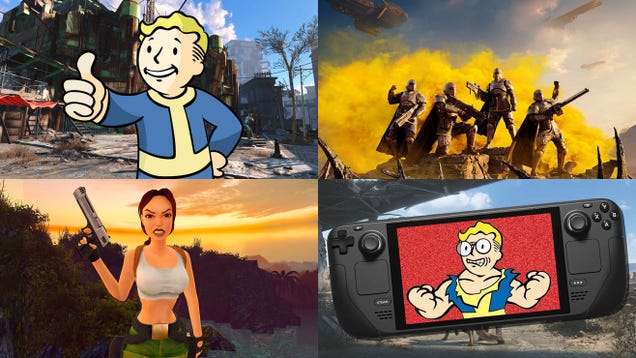
Nearly ten years after its original release, Fallout 4 has received a substantial next-generation update for PlayStation 5, Xbox Series X/S, and PC. This free upgrade aims to enhance the game’s visuals and performance, capitalizing on the renewed interest sparked by the popular Amazon TV adaptation of the franchise.
However, the upgrade has not been without controversy. Players who access Fallout 4 through PlayStation Plus subscriptions have found that the next-gen version is not free for them, despite owning the base game. This has caused some frustration among the community, as expectations for a complimentary upgrade were high given the game’s age and the nature of the update.
Additionally, the patch has introduced mixed reactions regarding gameplay experience, particularly on Valve’s Steam Deck. Some users report that the removal of the settings menu has made the game more difficult to play on this portable device, highlighting challenges in balancing technical improvements with user interface accessibility.
Stellar Blade’s Launch Day Patch Addresses Sensitive Content
Sony confirmed that the sci-fi action game Stellar Blade will receive a day-one patch to remove a controversial environmental element that some interpreted as an offensive racial allusion. The company described the reference as accidental and took swift action to rectify it ahead of the game’s full release.
This incident underscores the increasing sensitivity and awareness within the gaming industry regarding content that may be perceived as offensive or inappropriate. Developers and publishers are more vigilant than ever in monitoring their games for such issues, often issuing patches or updates to address concerns promptly.
Helldivers 2 Maintains Strong Player Engagement
Helldivers 2, developed by Arrowhead Game Studios and published by Sony, continues to enjoy a robust player base months after its launch. Despite competition from other major titles released around the same time, the game’s active community and engaging gameplay have contributed to its sustained popularity.
Interestingly, the game’s presence has extended beyond digital spaces, with at least one player reporting that Helldivers 2 has influenced their real-life activities, demonstrating the deep connection some gamers develop with their favorite titles.
Tomb Raider Remastered Patch Sparks Debate Over Content Changes
A recent patch for the remastered versions of Tomb Raider I-III, developed by Aspyr and Crystal Dynamics, has removed previously included pinup images of Lara Croft. While the patch primarily aimed to fix bugs, fans have speculated that the removal might constitute heavy-handed censorship of classic content.
This has ignited discussions about preserving original game elements versus updating content to align with modern sensibilities. The balance between respecting legacy material and adapting to contemporary cultural standards remains a nuanced challenge for developers.
Nintendo’s Takedown Notices Impact Garry’s Mod
Nintendo has issued takedown notices related to Garry’s Mod, the popular sandbox game born from Valve’s Source engine modding scene. As a result, Facepunch Studios is in the process of removing nearly two decades’ worth of Nintendo-related content from the game.
This move highlights ongoing tensions between modding communities and intellectual property holders. While mods often extend the lifespan and creativity of games, they can also raise legal issues when they involve copyrighted materials.
Microsoft’s Multiplatform Strategy Reflects Changing Console Dynamics
Microsoft’s recent shift toward releasing major titles on multiple platforms, including PlayStation 5, has sparked debate about the future of the Xbox console. Data suggests that fewer players are actively seeking out Xbox hardware, prompting Microsoft to experiment with a broader multiplatform approach to reach wider audiences.
This strategic pivot may signal a significant change in how console exclusives are handled and could influence industry competition and consumer choices in the coming years.
Final Fantasy XIV’s Healer Role Under Community Scrutiny
With the upcoming release of Final Fantasy XIV’s expansion Dawntrail, players are actively discussing the future role of healers within the game’s ecosystem. New benchmarks and skill previews have led to debates on whether healers provide too much or too little damage output compared to other roles.
These conversations reflect the ongoing balancing act in MMORPG design, where developers must ensure that all roles are viable, engaging, and contribute meaningfully to gameplay.
Indie Games Support Humanitarian Causes Through Palestinian Relief Bundle
Toge Productions has launched the Palestinian Relief Bundle on the indie game storefront itch.io, featuring over 300 games with proceeds supporting the Palestine Children’s Relief Fund. This initiative raises funds to address critical needs such as food, water, and medical aid amid ongoing humanitarian crises.
Priced at eight dollars, the bundle offers a substantial collection of indie titles, including popular games like Coffee Talk. It represents a significant example of how the gaming community can mobilize resources and awareness for global issues through creative means.
What this means
This week’s gaming news underscores the dynamic nature of the industry, where technological advancements, cultural considerations, and community engagement intersect. Bethesda’s ambitious Fallout 4 upgrade shows how legacy titles can be revitalized for modern platforms, though not without challenges. Meanwhile, responsiveness to sensitive content, as seen with Stellar Blade, and ongoing debates about game design and intellectual property reflect a maturing industry attentive to its diverse audience. Additionally, initiatives like the Palestinian Relief Bundle illustrate how gaming can extend beyond entertainment to support real-world causes. As the landscape continues to evolve, players and developers alike must navigate these complexities to foster an inclusive, engaging, and responsible gaming environment.
This article was curated with AI assistance and reviewed according to Tamfis editorial settings.