Executing Mergers and Acquisitions: A Strategic Guide for Businesses
Mergers and acquisitions (M&A) serve as powerful tools for businesses aiming to expand their market presence, diversify operations, or achieve competitive advantages. However, the success of an M&A deal hinges on meticulous strategic planning, comprehensive due diligence, and effective integration. This guide provides a detailed roadmap for companies seeking to execute M&A transactions, highlighting critical phases from target identification to post-merger integration to help businesses realize sustained growth and value creation.
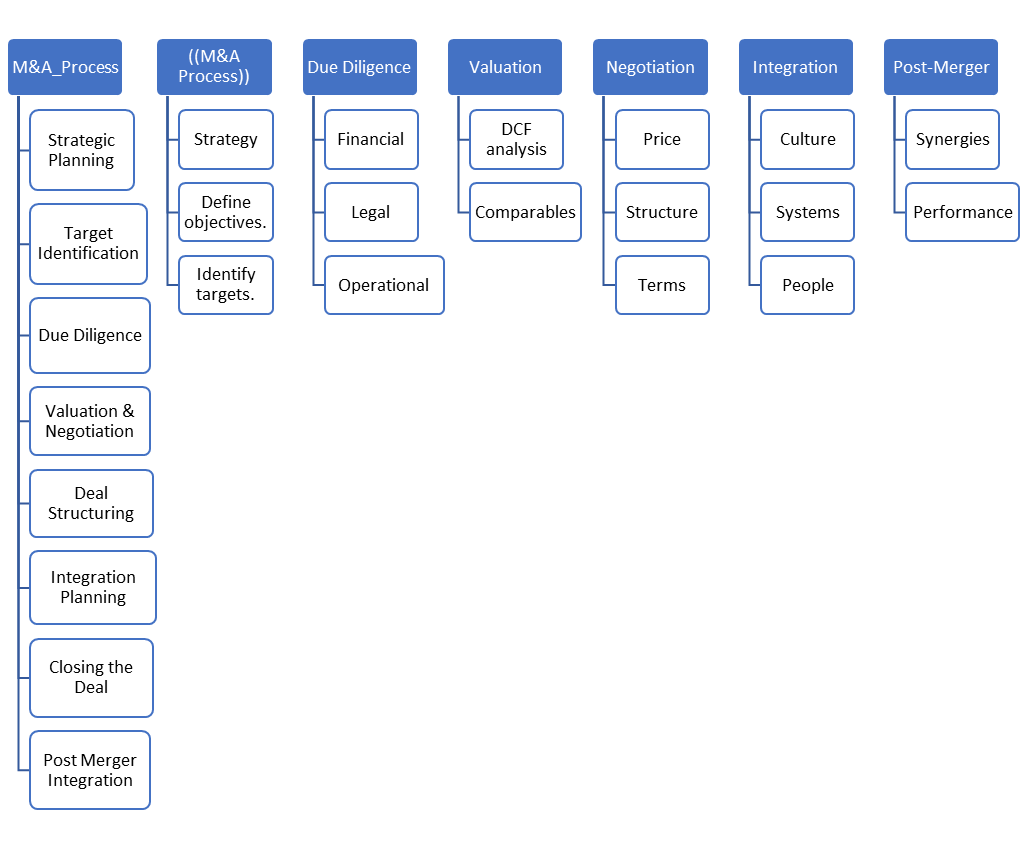
Strategic Planning: Laying the Foundation for M&A Success
Strategic planning is the cornerstone of any successful merger or acquisition. It begins with clearly defining the objectives behind pursuing an M&A, whether to increase market share, enter new markets, acquire new technologies, or diversify product offerings. Understanding these goals ensures alignment across leadership and stakeholders, setting realistic expectations for the transaction.
An honest assessment of the company’s current position and capabilities is crucial during this phase. Identifying internal strengths and weaknesses, along with external opportunities and threats, helps pinpoint gaps that an acquisition could address. This analysis often involves examining financial health, operational efficiency, and competitive standing.
Additionally, evaluating market conditions and industry trends informs the timing and scale of the deal. Factors such as regulatory environments, economic cycles, and competitor activity can significantly impact the feasibility and potential success of a merger or acquisition. A well-crafted strategic plan acts as a roadmap, guiding subsequent decisions and ensuring the M&A aligns with long-term business objectives.
Target Identification: Finding the Right Fit
Once strategic objectives are established, the next critical step is identifying potential acquisition targets that align with the company’s goals. This requires comprehensive market research to uncover companies whose offerings, market positions, or capabilities complement the acquirer’s strategy.
Screening potential targets involves evaluating their size, financial performance, customer base, and cultural fit. It’s important to consider not just current metrics but also future growth potential and how the target’s assets can create synergies post-acquisition.
Creating a shortlist of promising candidates enables focused due diligence and negotiation. At this stage, maintaining confidentiality and discretion is vital to protect competitive advantage and ensure smooth communication with involved parties.
Due Diligence: Conducting a Comprehensive Investigation
Due diligence represents one of the most critical phases in executing an M&A transaction. It involves a thorough examination of the target company’s financial records, legal standing, operational processes, and cultural attributes to uncover risks and validate assumptions made during target identification.
Financial analysis includes reviewing balance sheets, income statements, cash flow forecasts, and debt obligations to assess the target’s economic health. Legal due diligence focuses on contracts, pending litigation, intellectual property rights, and regulatory compliance to identify potential liabilities.
Operational assessment evaluates the efficiency of business processes, technology infrastructure, and human resources. Additionally, cultural fit analysis helps anticipate integration challenges by understanding differences in corporate values, leadership styles, and employee engagement. Effective due diligence reduces surprises and informs negotiation strategies.
Valuation and Negotiation: Determining the Right Price and Terms
Accurate valuation is essential to ensure that the acquiring company pays a fair price that reflects the target’s intrinsic value and potential synergies. Common valuation methods include discounted cash flow (DCF) analysis, comparable company multiples, and precedent transaction analysis.
Beyond numerical valuation, it’s important to factor in strategic benefits such as access to new markets, cost savings from operational efficiencies, and enhanced innovation capabilities. These synergies often justify a premium over standalone valuations.
Negotiation involves agreeing on deal terms, including price, payment structure, warranties, and contingencies. Successful negotiation balances assertiveness with collaboration, aiming to create a win-win outcome that facilitates smooth deal closure and future cooperation.
Deal Structuring: Crafting a Framework for Success
The structure of the merger or acquisition can significantly influence its financial, legal, and operational outcomes. Deciding between a merger, acquisition, or asset purchase requires careful consideration of strategic goals and regulatory constraints.
Payment methods—whether cash, stock, or a combination—impact both parties’ risk exposure and tax liabilities. For example, stock transactions may preserve cash but dilute ownership, while cash deals provide immediate liquidity but may require financing.
Addressing tax implications and compliance with regulatory requirements is vital to avoid unforeseen costs or deal delays. Engaging experienced legal and financial advisors ensures that the deal structure optimizes benefits while mitigating risks.
Integration Planning: Preparing for a Seamless Transition
Effective integration planning must begin early in the M&A process, ideally before the deal closes. A clear integration strategy outlines how the combined entities will operate, focusing on aligning systems, processes, and cultures.
Identifying key personnel and leadership roles is critical to maintaining continuity and morale. Deciding whether to retain existing management or appoint new leaders shapes the integration’s success and employee engagement.
Developing a robust communication plan ensures transparency with employees, customers, and stakeholders. Addressing concerns proactively helps mitigate uncertainty and fosters a collaborative environment conducive to realizing anticipated synergies.
Closing the Deal: Finalizing Legal and Financial Commitments
Closing an M&A transaction involves completing all legal, financial, and regulatory requirements. This includes obtaining necessary approvals from shareholders, regulatory bodies, and other stakeholders to ensure compliance and legitimacy.
Finalizing financing arrangements, such as loans or equity issuance, secures the capital needed to complete the purchase. Coordinating with financial institutions and legal counsel is essential to prevent delays or complications.
Executing definitive agreements formalizes the transaction terms and transfers ownership. Attention to detail during this phase minimizes post-closing disputes and lays the groundwork for successful integration.
Post-Merger Integration: Realizing Value and Sustaining Growth
The post-merger integration phase is where the true value of an M&A deal is realized. Implementing the integration plan involves aligning operations, consolidating systems, and harmonizing corporate cultures to create a unified organization.
Managing cultural integration is often one of the most challenging aspects, requiring sensitivity to employee concerns and fostering a shared vision. Change management programs and leadership communication play pivotal roles in this process.
Monitoring progress through key performance indicators enables management to track synergy realization and address emerging issues promptly. Flexibility to adjust strategies based on real-world feedback ensures long-term success and sustainable growth.
Conclusion
Executing mergers and acquisitions is a multifaceted process that demands strategic foresight, rigorous analysis, and disciplined execution. By following a structured approach—from strategic planning through post-merger integration—businesses can navigate complexities, mitigate risks, and unlock significant growth opportunities. Success in M&A not only depends on closing the deal but also on the ability to integrate operations, cultures, and strategies effectively. With careful preparation and ongoing commitment, companies can harness the full potential of mergers and acquisitions to strengthen their competitive position and achieve lasting value.
Governor Babagana Zulum's administration transformed Borno's devastated health infrastructure into a regional centre of excellence, committing over 15 percent of the state budget to…