
Educational Resources
Expertise Explained: Your Guide to Understanding This Key Concept
Understand the concept of expertise through detailed definitions and insights. A must-read for those looking...
TAMFIS NIG LTDRC 8067447CAC ACTIVEFinima, Bonny Island, Rivers State

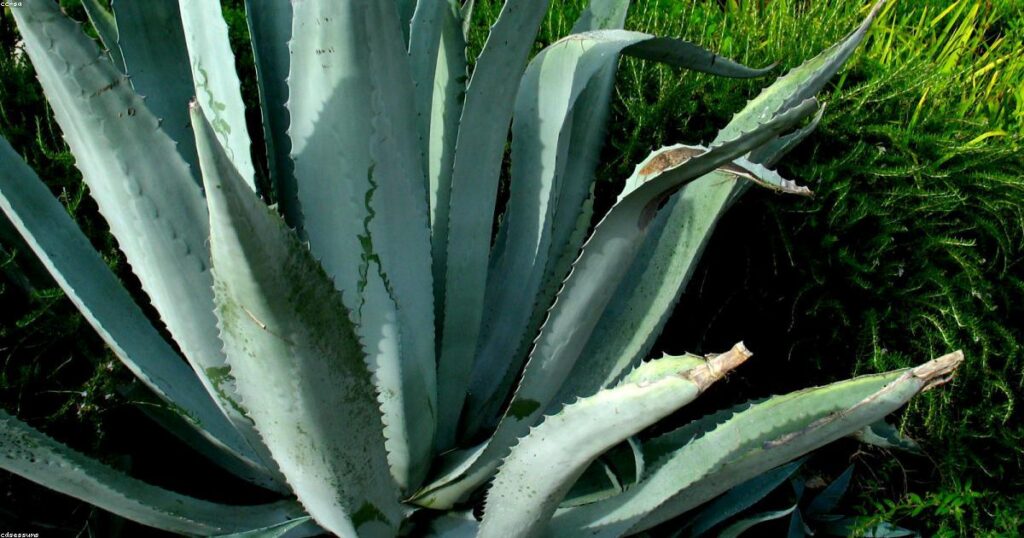
The agave plant is a stunning succulent known for its dramatic rosette shape and impressive size potential. Native to arid regions, agaves are prized for their architectural beauty and drought tolerance, making them popular in xeriscaping and container gardening alike. However, achieving a huge, healthy agave requires more than just planting it in the sun. Proper care, maintenance, and understanding of its growth needs are essential to maximize its size and longevity. In this comprehensive guide, we’ll explore everything you need to know to nurture your agave plant and help it grow into a magnificent specimen.
There are over 200 species of agave, each varying in size, shape, and growth rate. Selecting the right species is the first step toward growing a large, healthy agave. Some species, like Agave americana and Agave salmiana, are known for their massive size and can grow several feet tall and wide, making them ideal for gardeners aiming for a dramatic centerpiece.
Smaller species such as Agave parryi or Agave victoriae-reginae remain compact and are better suited for container growth or smaller spaces. Understanding your space and climate constraints will help you select a species that thrives and reaches its growth potential effectively.
Additionally, consider the growth rate; some agaves grow faster than others. Fast-growing species require more frequent maintenance but reward you with quicker results. Researching your agave’s growth habits and environmental preferences will set a solid foundation for successful cultivation.
Agaves thrive in well-draining soil that mimics their native desert environment. Heavy, water-retentive soils can lead to root rot and stunt growth. A sandy or gritty soil mix with good aeration is ideal. If planting in a garden bed, amend the soil with coarse sand, perlite, or gravel to improve drainage.
For container-grown agaves, use a cactus or succulent potting mix specially formulated to drain quickly. Ensuring the container has adequate drainage holes is critical to prevent water accumulation at the roots.
Regularly checking soil moisture levels helps maintain the right balance. Agaves prefer to dry out between waterings, so overwatering can be detrimental. Well-draining soil combined with proper watering schedules promotes robust root systems and vigorous growth.
Agave plants are sun lovers and require ample sunlight to grow large and healthy. Most agave species thrive in full sun, needing at least six hours of direct sunlight per day. Adequate sunlight supports photosynthesis and encourages the development of thick, fleshy leaves.
In regions with extremely intense sun, some afternoon shade can prevent leaf scorching, especially for young or sensitive agave species. However, insufficient sunlight results in leggy, weak growth and diminishes the plant’s size potential.
If growing indoors or in shaded spaces, consider supplemental grow lights to provide the necessary light intensity. Positioning your agave near south- or west-facing windows maximizes natural light exposure, helping your plant reach its full size.
Watering agave plants correctly is crucial for their health and size. These succulents are drought-tolerant and adapted to infrequent watering. Overwatering is the most common cause of agave decline, leading to root rot and poor growth.
During the growing season (spring and summer), water deeply but infrequently, allowing the soil to dry out completely between waterings. Typically, watering every 1-2 weeks is sufficient depending on climate and soil conditions. In winter, reduce watering significantly or stop altogether, as agaves enter dormancy.
Monitoring your plant’s leaves can help gauge watering needs. Wrinkled or dry leaves indicate underwatering, while mushy or discolored leaves suggest overwatering. Adjust your watering schedule accordingly to maintain optimal moisture balance.
While agaves are low-maintenance, providing occasional fertilization can boost growth and overall plant vigor. Use a balanced, slow-release fertilizer formulated for succulents or cacti to supply essential nutrients without overwhelming the plant.
Apply fertilizer during the active growing season, typically from spring through early fall. Avoid fertilizing in winter when the plant is dormant. Over-fertilizing can cause excessive, weak growth and increase susceptibility to pests and diseases.
Organic options such as compost teas or diluted fish emulsion can also be beneficial. Always follow package instructions for application rates and frequency to prevent nutrient burn and maintain healthy growth.
Pruning agave plants is generally minimal but important for removing dead or damaged leaves that can harbor pests or diseases. Use clean, sharp tools to cut away brown or dry leaves at the base to maintain plant health and appearance.
Removing flower stalks after blooming is essential since agaves are monocarpic and die after flowering. Pruning the spent stalk helps conserve energy in offsets or pups that will continue growing, ensuring your agave colony thrives.
Regularly inspect your agave for signs of pests such as agave snout weevils or fungal infections. Early intervention and maintaining good airflow around the plant contribute to long-term health and size.
Agaves reproduce primarily through offsets or pups that emerge at the base of the mother plant. Carefully separating these pups and replanting them allows you to propagate your agave and create a larger display over time.
Use a clean, sharp knife to detach pups with roots attached. Let the cut surfaces dry and callous for a few days before planting to reduce the risk of rot. Plant in well-draining soil and water sparingly until new growth appears.
Seed propagation is possible but slow and less common for home gardeners. Offsets provide a faster and more reliable method to expand your agave collection and achieve a fuller, more impressive arrangement.
Agave plants are generally hardy but can be vulnerable to pests like agave snout weevils, scale insects, and mealybugs. Regular inspection and early treatment with insecticidal soap or neem oil can prevent infestations from damaging your plant.
Environmental stresses such as frost, excessive humidity, or prolonged wet conditions can also harm agaves. In colder climates, protect agaves by mulching around the base or moving container plants indoors during winter.
Providing adequate airflow, avoiding overhead watering, and planting in suitable climates reduce stress and promote vigorous growth. Healthy, stress-free agaves are more likely to reach their full size potential and live long, impressive lives.
Caring for an agave plant to help it grow huge requires a combination of proper species selection, ideal soil and light conditions, careful watering, and routine maintenance. By understanding the unique needs of agaves and applying these expert tips, you can cultivate a robust, impressive agave that becomes a striking focal point in your garden or home. With patience and attention, your agave will thrive, growing larger and more majestic with each passing season.
Keep reading
Educational Resources
Understand the concept of expertise through detailed definitions and insights. A must-read for those looking...
Mechanical
Predictive Maintenance (PdM) has revolutionized the way industries maintain their equipment, shifting fr...
Mechanical
Venezuela, once one of Latin America's wealthiest nations due to its vast oil reserves, has experie...
TAMFIS NIG LTD
Electrical and instrumentation engineering, bid preparation and consulting, IT and software.