
Top Stories
Discovery beneath soccer field reveals massive medieval convent lost for centuries
NEWYou can now listen to Fox News articles! Researchers recently uncovered a long-lost medieval convent in an unusual location in Denmark: a soccer field…
TAMFIS NIG LTDRC 8067447CAC ACTIVEFinima, Bonny Island, Rivers State

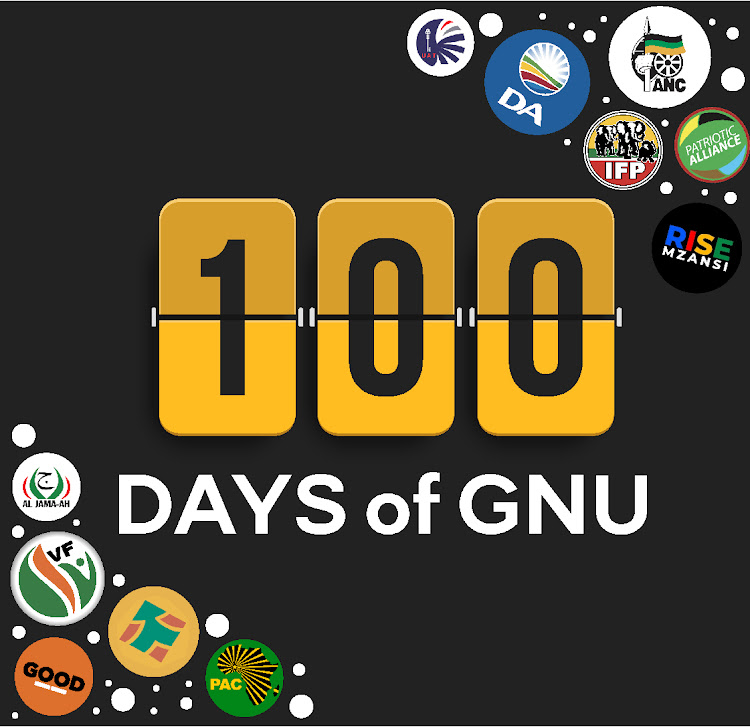
The Government of National Unity (GNU) marks a significant chapter in South Africa’s political landscape, bringing together diverse parties in a coalition aimed at fostering stability, cooperation, and progress. The first 100 days of any government are often scrutinized as a barometer of its effectiveness and commitment to promised reforms. This article delves into the GNU’s initial 100 days, examining its achievements, challenges, political tensions, and the implications for the nation’s future. Whether you are a political enthusiast, analyst, or citizen eager to understand the GNU’s trajectory, this comprehensive guide provides all you need to know.
The Government of National Unity (GNU) is a coalition government formed by multiple political parties with the aim of ensuring inclusive governance and national stability. In South Africa, the GNU concept was first prominently implemented post-apartheid in 1994, bringing together former adversaries to rebuild the nation. The current GNU seeks to emulate this spirit amidst a complex political landscape marked by economic challenges and social demands.
Unlike traditional single-party governments, the GNU operates through a power-sharing arrangement that requires negotiation, compromise, and collaboration among diverse political entities. This structure aims to balance differing ideologies and priorities, thereby promoting cohesive policymaking and national unity.
However, the GNU also faces inherent challenges such as internal disagreements, policy clashes, and the need to maintain public confidence. Understanding the GNU’s framework is crucial to appreciating the dynamics observed during its first 100 days in office.
Despite initial skepticism surrounding the GNU’s formation, the coalition has made significant strides in its opening months. One of the primary achievements has been the stabilization of government operations, with ministries quickly aligning to implement agreed-upon policies. This swift coordination has helped avoid administrative delays that often plague coalition governments.
The GNU has also prioritized economic recovery, focusing on securing funding and loans to support critical infrastructure projects. These financial inflows are intended to stimulate job creation, improve public services, and bolster investor confidence amid a challenging global economic environment.
In the social sector, efforts have been launched to address pressing issues such as unemployment, education reform, and healthcare access. Initiatives targeting vulnerable populations demonstrate the GNU’s commitment to inclusive development, although results will require sustained efforts beyond the initial period.
The GNU’s first 100 days have not been without difficulties. Political tensions between coalition partners, particularly between the ANC and DA, have surfaced over budget allocations and policy priorities. These disagreements have occasionally resulted in public disputes, highlighting the delicate balance of power within the GNU.
Cabinet fallout over new spending plans has tested the coalition’s unity. Some ministers have expressed frustration over perceived inequities in resource distribution and decision-making processes, leading to heated debates and calls for greater transparency.
Additionally, skepticism from political figures such as former president Jacob Zuma, who questioned the GNU’s legitimacy compared to the 1994 coalition, adds to the complex political environment. These challenges underscore the ongoing need for dialogue and compromise to sustain the GNU’s effectiveness.
Public opinion on the GNU’s performance during its initial 100 days has been mixed. While some citizens appreciate the coalition’s efforts to stabilize governance and address economic issues, others remain wary due to past political controversies and slow progress in certain areas.
Media coverage has played a critical role in shaping public discourse, with outlets highlighting both successes and setbacks. Reports on cabinet disputes and political skirmishes have sometimes overshadowed policy achievements, fueling skepticism among the electorate.
Nevertheless, the GNU’s ability to maintain a functioning government amid competing interests has been recognized by several commentators as a noteworthy accomplishment, emphasizing the complexity of coalition governance in South Africa.
The GNU’s approach to economic management is central to its agenda, especially given South Africa’s ongoing challenges such as unemployment, inflation, and fiscal deficits. Early policy measures have focused on securing international loans and boosting public investment to stimulate growth.
By targeting infrastructure development and social programs, the GNU aims to create jobs and improve living standards. However, balancing fiscal responsibility with expansive social spending remains a delicate task that requires careful planning and execution.
The coalition’s success in managing economic recovery will significantly influence South Africa’s long-term stability and investor confidence. Monitoring the implementation and outcomes of these economic policies will be crucial in assessing the GNU’s overall impact.
In a coalition government like the GNU, opposition parties play a unique role that blends collaboration with oversight. Parties such as the Democratic Alliance (DA) and the Freedom Front Plus (FF Plus) contribute perspectives that can enrich policymaking while also holding the government accountable.
The DA, for instance, has been vocal in raising concerns about budget allocations and governance transparency. Such opposition is essential for a healthy democracy, ensuring that policies undergo rigorous scrutiny and reflect diverse interests.
However, tensions between coalition partners can sometimes lead to public disputes, which may affect governance stability. Constructive engagement and mutual respect among parties are vital for the GNU’s success and for maintaining public trust.
Looking beyond the first 100 days, the GNU faces the challenge of sustaining momentum while addressing unresolved issues. The coalition’s ability to navigate internal differences and deliver tangible improvements will be critical in shaping public confidence and political stability.
Key areas to watch include economic recovery progress, social development initiatives, and the management of political tensions. The GNU’s commitment to transparency and inclusive governance will also influence its long-term viability.
Ultimately, the GNU’s future depends on its capacity to balance competing interests, implement effective policies, and respond to the evolving needs of South Africa’s diverse population. Continued collaboration and adaptive leadership will be essential in this journey.
The Government of National Unity’s first 100 days have been a complex blend of achievements and challenges. While the coalition has demonstrated an ability to govern effectively amidst diverse political interests, ongoing tensions and public skepticism highlight the need for continued dialogue and cooperation. The GNU’s commitment to economic recovery, social inclusion, and transparent governance will be pivotal in shaping South Africa’s future. As the coalition moves forward, its capacity to deliver on promises while managing internal dynamics will determine its lasting impact on the nation’s political and socio-economic landscape.
Originally reported by timeslive.co.za. Adapted for our readers.
Keep reading
Top Stories
NEWYou can now listen to Fox News articles! Researchers recently uncovered a long-lost medieval convent in an unusual location in Denmark: a soccer field…
News
By Engr. Tamunofiniarisa BrownReading Time: 6 Minutes The conflict between Russia and Ukraine is often framed in the media as a simple battle between…
TAMFIS NIG LTD
Electrical and instrumentation engineering, bid preparation and consulting, IT and software.