
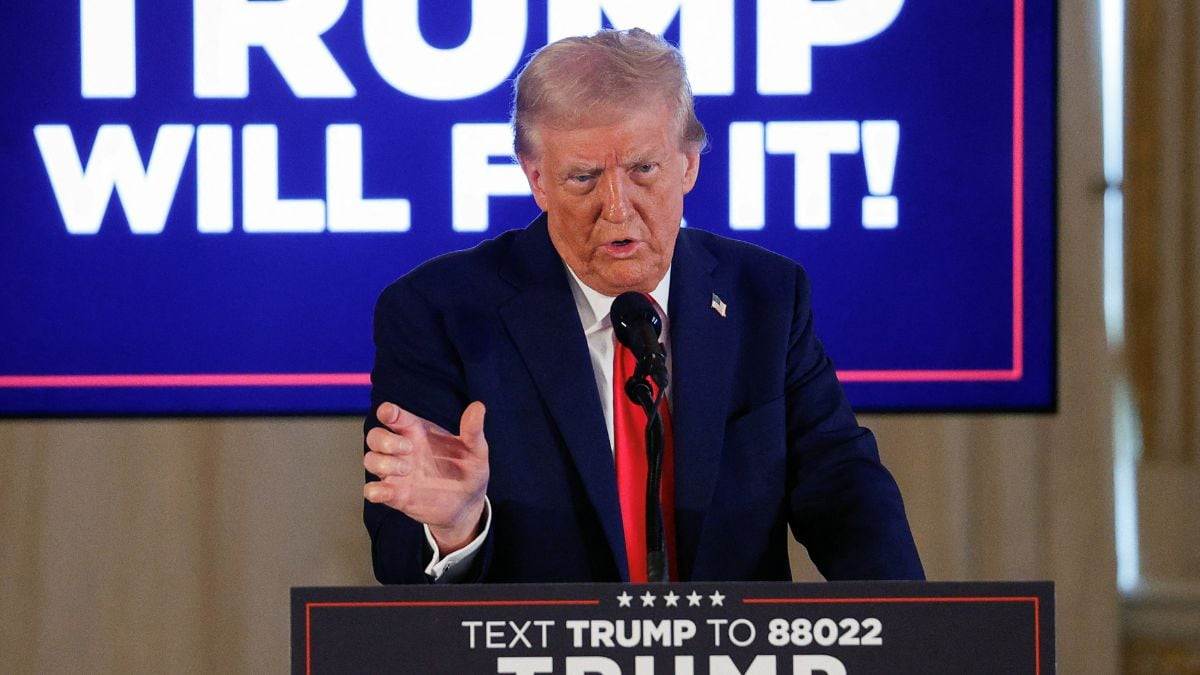
Donald Trump remains a defining figure in American politics, known for defying norms and reshaping the political landscape. As he prepares for the 2024 presidential election, his campaign is marked by a blend of compelling strengths and notable weaknesses. This article examines the key factors influencing Trump’s chances, offering a balanced perspective on his potential to reclaim the presidency amid a deeply divided electorate.
Trump as the Ultimate Political Disruptor
Donald Trump’s political career is characterized by disruption. Unlike traditional candidates who emphasize optimism and unity, Trump often portrays America in stark terms, describing the nation as “broken,” “crooked,” and “occupied.” This unconventional rhetoric sets him apart, appealing to voters frustrated with the status quo.
His journey in politics has been anything but typical. Having been affiliated with the Democratic, Republican, and Reform parties, Trump’s rise to prominence was fueled by his outsider status. His initial foray into politics in 2000 under the Reform Party was short-lived, but he re-emerged during Barack Obama’s presidency, notably promoting the controversial “birther” conspiracy. Despite media skepticism, Trump capitalized on the exposure to build a substantial following.
In 2016, Trump harnessed widespread anti-establishment sentiment, positioning himself as a billionaire free from special interests. His victory disrupted the traditional political playbook, challenging both Republican norms and Democratic expectations.
Strengths Driving Trump’s 2024 Campaign
One of Trump’s most notable strengths is his perceived resilience—his so-called “teflon-coated” image. Despite multiple legal controversies, including convictions related to sexual assault and fraud, these issues have not significantly eroded his core support. This resilience suggests a loyal voter base that views these challenges as politically motivated attacks rather than disqualifications.
Geopolitical dynamics also favor Trump. With the United States engaged in two major conflicts that have strained the economy and increased living costs, his promise to end these wars “on day one” resonates with voters eager for peace and stability. His anti-war stance aligns with a significant portion of the electorate disillusioned by prolonged military engagements.
Trump’s authenticity is another asset. Unlike his primary competitor Kamala Harris, who has shifted positions on key issues like border security and healthcare, Trump maintains consistent, if polarizing, stances. This unwavering approach appeals to voters who prioritize perceived honesty and straightforwardness over political expediency.
Finally, Trump’s economic message targets Americans feeling left behind. Advocating for tariffs to protect domestic industries and stricter immigration controls, he addresses concerns about job security, high living costs, and border management. This approach speaks directly to voters frustrated by economic uncertainty and demographic changes.
Weaknesses Undermining Trump’s Prospects
However, many of Trump’s strengths also serve as vulnerabilities. His brand of authenticity includes traits that alienate significant voter groups, particularly women, who increasingly favor Harris. Accusations of racism, misogyny, and a confrontational style contribute to this divide, complicating efforts to broaden his appeal.
Age is another factor. At 78, Trump’s physical presence contrasts with the younger, more energetic Harris, potentially influencing perceptions of vitality and readiness to lead.
Campaign infrastructure presents a critical challenge. While Democrats benefit from a well-established grassroots network, Trump’s campaign relies on less traditional methods, such as financial incentives for voter registration promoted by Elon Musk. These strategies lack the proven effectiveness of conventional voter outreach, including door-to-door canvassing and phone banking.
Moreover, Trump’s extreme policy positions risk alienating moderates and undecided voters. His hardline stances on abortion, immigration, and election legitimacy have caused fractures within the Republican Party. Although he briefly moderated his abortion rhetoric, he has since returned to a strict anti-abortion stance, which may benefit his opponents in appealing to centrist voters.
The Paradox of Trump’s Political Persona
Donald Trump’s political identity is a paradox. His defiance of norms and unapologetic style energize his base but simultaneously repel others. This duality makes his campaign unpredictable and polarizing.
His ability to thrive amid controversy challenges traditional political expectations. Yet, the very traits that have propelled him to prominence could also limit his capacity to build the broad coalition necessary for electoral victory.
As the 2024 election approaches, the question remains whether Trump’s disruptive approach will once again upend the political landscape or if the cumulative impact of his weaknesses will prove decisive.
What this means
Donald Trump’s bid for the presidency in 2024 encapsulates the complexities of modern American politics. His disruptive style and steadfast positions energize a devoted segment of the electorate but also deepen divisions across the political spectrum. Whether these factors will translate into electoral success depends on his ability to navigate the challenges posed by shifting voter demographics, campaign logistics, and the broader political climate. As the nation watches closely, Trump’s campaign serves as a testament to the enduring impact of unconventional leadership in a polarized era.
This article was curated with AI assistance and reviewed according to Tamfis editorial settings.