
Top Stories
KFF Health News’ ‘What the Health?’: The Supreme Court and the Abortion Pill
Since the Supreme Court overturned Roe v. Wade in 2022, the landscape of abortion rights in the United S...
TAMFIS NIG LTDRC 8067447CAC ACTIVEFinima, Bonny Island, Rivers State

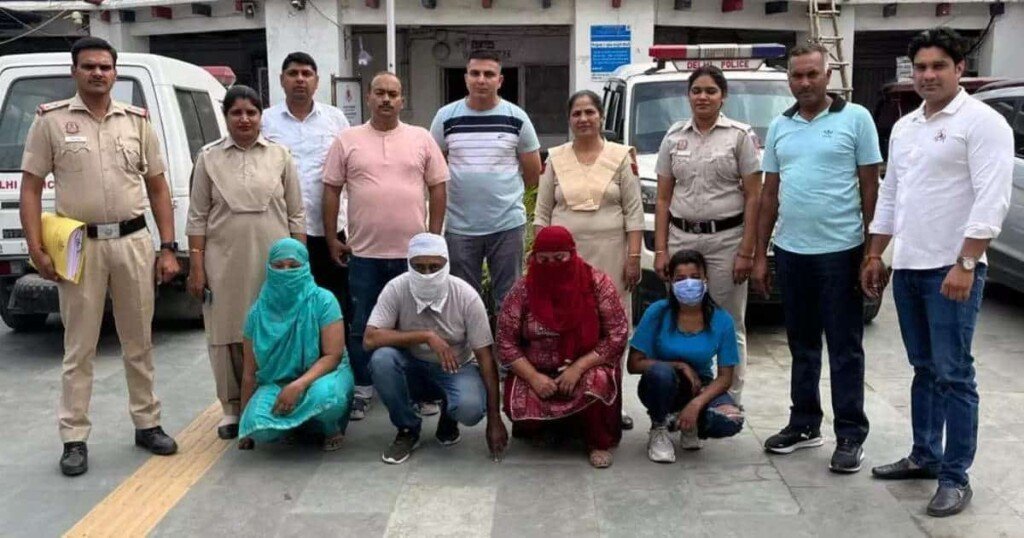
In a shocking revelation that has sent ripples across Delhi and neighboring states, the Delhi Police busted a newborn trafficking gang involved in buying and selling infants. The gang preyed on financially vulnerable families, luring them into parting with their newborns, which were then sold for hefty sums to desperate buyers. The recent rescue of two baby girls, one sold for Rs 2.5 lakh in Chandigarh and another intercepted in Delhi before sale, highlights the grim reality of child trafficking in the region. This article delves into the details of the case, the modus operandi of the traffickers, police actions, and the broader implications of such criminal activities.
The Delhi Police recently exposed a newborn trafficking gang operating across Delhi, Punjab, and Chandigarh. The gang was involved in buying infants from poor families, often lured by promises of financial relief, and selling them to needy individuals or couples unable to have children. This criminal network exploits the vulnerability of impoverished parents and the desperation of prospective buyers, creating a lucrative but illegal trade in newborns.
During police investigations, it was revealed that the gang’s operations were well-organized, involving multiple accomplices who played different roles—ranging from identifying vulnerable families, facilitating the exchange of babies, to arranging the sale in different locations. The gang’s activities had been ongoing for some time, and police are still probing to determine the full extent of their operations and the number of children trafficked.
The recent bust came after police received a tip-off about suspicious activity near Sonia Hospital in Nangloi, Delhi. A raid led by ACP Jaipal Singh and SHO Rajesh Kumar uncovered the gang members and rescued two infants, including a 20-day-old girl from Punjab and a three-month-old girl sold in Chandigarh. This breakthrough has been a critical step towards dismantling a dangerous trafficking network.
On the evening of April 2, Nangloi police station acted on intelligence regarding a child trafficking gang operating near Sonia Hospital. The police team conducted a raid and apprehended four individuals—Gurmeet Singh, his wife Hasmeet Kaur, Mariam, and Naina—who were directly involved in the trafficking racket. During the raid, a 20-day-old baby girl was found in the custody of one of the women, confirming suspicions of illegal child sale.
Further interrogation revealed that the baby girl had been brought from Fazilka, Punjab, and was being prepared for sale. The police promptly informed the biological parents, who reportedly had sold the child due to financial distress. The arrest of these accused has provided critical leads in understanding the gang’s network and their modus operandi.
In a related development, the police team also tracked down and rescued another three-month-old infant girl who had been sold for Rs 2.5 lakh in Chandigarh. This operation involved coordination between Delhi and Chandigarh police, underscoring the interstate dimension of the trafficking racket. The rescued infants are now under safe custody, and authorities are working on rehabilitating them.
The trafficking gang primarily targeted economically disadvantaged families, exploiting their financial vulnerabilities. During interrogation, the accused disclosed that they lured poor parents by offering immediate cash payments in exchange for their newborns. Many families, struggling with poverty and unable to provide for their children, fell prey to these false promises.
Once the babies were procured, the gang arranged their sale to prospective buyers, often couples unable to conceive or parents seeking children through illegal means. The transactions were conducted discreetly, with the traffickers facilitating the transfer of infants across state lines to avoid detection.
This illicit business model not only commodified innocent lives but also created long-term trauma for the children and their biological parents. The gang’s ability to operate across multiple jurisdictions highlights the complexity of tackling child trafficking and the need for enhanced vigilance and cooperation among law enforcement agencies.
The arrested accused include Gurmeet Singh, a 41-year-old resident of Tihar village, and his wife Hasmeet Kaur, aged 37. Along with them, two women—Mariam (30) from Dallupura Park, Mayur Vihar, and Naina (24) from Chander Vihar Nihal Vihar—have been taken into custody. Each played distinct roles in the trafficking operations, from recruitment of families to arranging sales.
Gurmeet Singh and Hasmeet Kaur reportedly acted as the primary facilitators, coordinating the purchase and sale of infants. Mariam and Naina were involved in the physical custody and transportation of the babies, making sure the handovers were discreet and untraceable. The coordinated efforts of these individuals allowed the racket to function smoothly across Delhi and neighboring states.
Police are currently interrogating the accused to uncover the full network, including potential buyers and other accomplices. Authorities are also investigating if the gang was involved in other criminal activities, which might have provided cover for their trafficking operations.
Following the bust, the Delhi Police registered cases under relevant sections of the Indian Penal Code and the Juvenile Justice Act. The accused face charges related to child trafficking, illegal sale of infants, and exploitation of vulnerable families. The swift legal response aims to ensure stringent punishment and deter similar crimes in the future.
The police have intensified surveillance and intelligence gathering to identify and dismantle other trafficking networks operating within Delhi and adjoining regions. Specialized units focusing on crimes against children are collaborating with NGOs and child welfare organizations to provide support to rescued infants and their families.
Public awareness campaigns have also been initiated to educate vulnerable communities about the risks of trafficking and the legal consequences of engaging with such criminal elements. Authorities emphasize the importance of reporting suspicious activities promptly to prevent further exploitation of children.
Newborn trafficking is a grave violation of human rights that leaves deep psychological scars on victims and their families. Children sold into illegal adoption or forced labor face uncertain futures, often deprived of their identity, healthcare, and education. The trauma extends to biological parents, who may live with regret and social stigma.
This illicit trade also undermines the integrity of adoption systems and legal frameworks designed to protect children’s welfare. It breeds mistrust among communities and complicates efforts by authorities to regulate child protection effectively. The clandestine nature of trafficking makes it challenging to detect and prosecute offenders.
Societal awareness and legal reforms are crucial in combating this menace. Strengthening social security measures for poor families, promoting legal adoption channels, and enhancing law enforcement capacities can collectively reduce the demand and supply chains of newborn trafficking.
Preventing newborn trafficking requires a multi-faceted approach involving government agencies, civil society, and citizens. Strengthening poverty alleviation programs can reduce the economic desperation that drives families to sell their children. Accessible healthcare and social support for new mothers can also diminish vulnerability to traffickers.
Citizens play a vital role by remaining vigilant and reporting any suspicious activities related to child trafficking. Community-based organizations can act as watchdogs, educating families about the dangers of illegal adoption and encouraging them to seek help from legitimate channels.
Law enforcement agencies encourage the public to use helplines and child welfare portals to report cases anonymously. Collaborative efforts between the police, NGOs, and local communities can create an environment where traffickers find it difficult to operate, thereby safeguarding the rights and futures of countless children.
The recent bust of a newborn trafficking gang in Delhi has unveiled the dark underbelly of child exploitation, where innocent lives are commodified for monetary gain. This case not only highlights the urgent need for stringent law enforcement but also calls for a collective societal effort to protect vulnerable families and children. Strengthening social safety nets, raising awareness, and fostering community vigilance are essential steps toward eradicating this heinous crime. As investigations continue, it is imperative that authorities, civil society, and citizens work in unison to ensure that no child becomes a victim of trafficking again.
Originally reported by navbharattimes.indiatimes.com. Adapted for our readers.
Keep reading
Top Stories
Since the Supreme Court overturned Roe v. Wade in 2022, the landscape of abortion rights in the United S...
Top Stories
Top Stories Tamfitronics One evening in May, nursing assistant Debra Ragoonanan’s vision blurred during her shift at a state-run Massachusetts vet...
TAMFIS NIG LTD
Electrical and instrumentation engineering, bid preparation and consulting, IT and software.

