
Business
Nigeria’s Broken Systems: Why Failure Persists and What Must Change
An analysis of the structural and institutional factors that entrench governance failures in Nigeria, from patronage politics and weakened oversight to the urgent need…
TAMFIS NIG LTDRC 8067447CAC ACTIVEFinima, Bonny Island, Rivers State

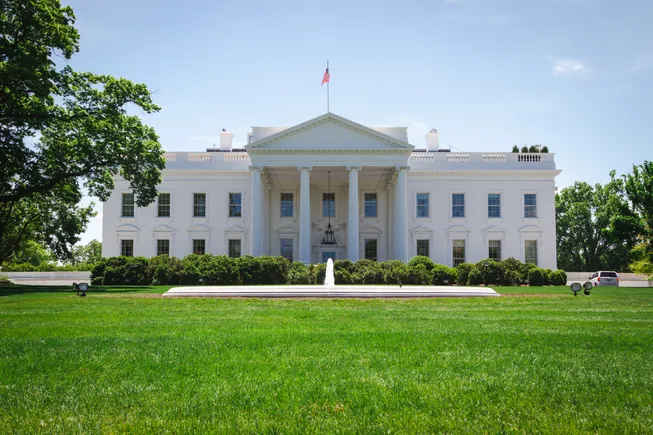
Meta’s suppression of political content, especially on Threads, has sparked concern among users, regulators and observers. While the company frames this as reducing toxicity, critics argue it undermines real-time social platforms and risks alienating journalists and news-breakers essential to Threads’ viability. This article examines whether Meta’s anti-politics stance is sustainable or a short-term fix that could hinder engagement, innovation and regulatory compliance.
Meta’s Oversight Board highlighted a satirical image of U.S. Vice President Kamala Harris and Tim Walz (based on 'Dumb and Dumber') incorrectly removed under Bullying and Harassment policy. The post, with emojis suggesting political endorsement, was restored after appeal. The Board concluded Meta over-enforced rules, threatening legitimate political expression.
The Board warned such over-enforcement 'may lead to excessive removal of political speech and undermine the ability to criticise government officials and political candidates, including sarcastically.' This is vital during elections when political discourse — even satire — is key to democratic participation.
For Nigerian users relying on Facebook and WhatsApp for political mobilisation, this raises concerns Meta’s moderation could restrict legitimate debate on governance, elections and public policy ahead of its next electoral cycle.
Threads, Meta’s answer to X (formerly Twitter), was designed for real-time conversations around breaking news, sports, culture and politics. Despite heightened U.S. election activity, Threads remains quiet on political content — not from lack of user interest but Meta’s aversion to hosting such discussions.
This undermines Threads’ core value proposition. Journalists, news breakers and commentators — who drove Twitter’s influence as a real-time news network — find posts restricted or removed, often without clear explanation. As noted, 'with only a fifth of Twitter users ever posting anything at all, there’s only a finite number of contributors Meta can alienate before it comes off the rails.'
In Nigeria, where Twitter has been critical for real-time reporting during protests, elections and crises, Threads’ failure to host similar discourse limits its potential as a public information tool. Without timely political commentary, users may favour established platforms, hindering Threads’ adoption and viability.
A persistent criticism is the lack of clarity around what constitutes 'political' content. The Oversight Board noted Meta remains 'vague in its descriptions of its parameters,' leaving users uncertain about what they can post.
This ambiguity has led to reports of users censored for sharing benign content about political candidates — such as news articles, policy analyses or celebratory election posts — fueling backlash over perceived heavy-handed enforcement.
For businesses and advertisers in Nigeria and emerging markets, this unpredictability poses reputational and operational risks. Brands engaging audiences around elections, holidays or social movements may find campaigns flagged or suppressed, disrupting marketing and diminishing ROI.
Even as Meta distances itself from news and political content, governments intensify efforts to make the platform compensate publishers for value from hosting news. In Australia, regulators revise the Media Bargaining Code to potentially impose a tax on Meta and Google, with proceeds funding public interest journalism.
Meta has long contested such laws, arguing its platforms drive traffic to publishers — not the reverse. In response, it has shut down news access in Australia and Canada to demonstrate its position, underscoring its broader strategy of de-prioritising news content altogether.
Yet, as noted, 'Meta literally doesn’t need news content, yet governments continue to seek ways to force the company to pay up.' This creates a paradox: the more Meta avoids political and news content to evade regulation, the more it invites legislative action aiming to force it to pay for the very content it seeks to sideline.
Meta’s pivot away from politics has coincided with increased engagement from entertainment-focused content, particularly Reels, promoted via AI-based recommendations at unprecedented rates.
On Instagram and Facebook, this shift yields strong user engagement and dominance in markets like Nigeria, where short-form video consumption is growing rapidly.
However, this model may not suit Threads, positioned as a competitor to X in real-time public conversation. Prioritising algorithmic entertainment over timely discourse risks turning Threads into a passive content feed rather than an active public forum — misaligned with its stated ambition.
For Nigerian consumers, Meta’s anti-politics stance presents a mixed picture. On Facebook and WhatsApp, where community groups, religious organisations and small businesses rely on apolitical content for outreach, reduced political noise may improve user experience and reduce misinformation exposure.
Conversely, for journalists, activists, opposition groups and civic organisations relying on real-time platforms to mobilise support, report violations or share election updates, suppression of political speech — even satirical or critical — represents a significant limitation on democratic participation.
From a business perspective, Nigerian brands advertising on Meta’s platforms must navigate risk of inadvertent content removal due to over-broad enforcement. A campaign tied to a political event, social issue or public figure could be mistakenly flagged, leading to wasted ad spend and damaged consumer trust. Clearer guidelines and transparent appeals processes are essential to mitigate these risks.
Meta’s anti-politics stance may offer short-term relief from toxicity and regulatory scrutiny in certain contexts, but it poses substantial risks to the long-term health and utility of its platforms — especially Threads, conceived as a vibrant hub for real-time public discourse. By suppressing political content under vague and inconsistently applied rules, Meta risks alienating the very users — journalists, commentators and engaged citizens — who give social platforms their societal value and commercial relevance. For Nigerian users relying on digital tools for market trading to election monitoring, the ability to speak freely — even critically — about politics remains essential. As governments worldwide intensify efforts to hold platforms accountable for their role in the information ecosystem, Meta may find that avoiding politics is not a sustainable strategy, but rather a delay of the inevitable reckoning over its responsibilities as a global communications infrastructure.
Originally reported by socialmediatoday.com. Adapted for our readers with AI assistance.
Keep reading
Business
An analysis of the structural and institutional factors that entrench governance failures in Nigeria, from patronage politics and weakened oversight to the urgent need…
Politics
Yari says the APC will emphasise Tinubu’s achievements in 2027. This analysis explains how voters can examine outcomes, baselines and campaign evidence.
Lifestyle
Obi says his wife funds her own purchases. This analysis separates his explanation, unverified handbag prices and the evidence needed to assess public spending.
TAMFIS NIG LTD
Electrical and instrumentation engineering, bid preparation and consulting, IT and software.

