
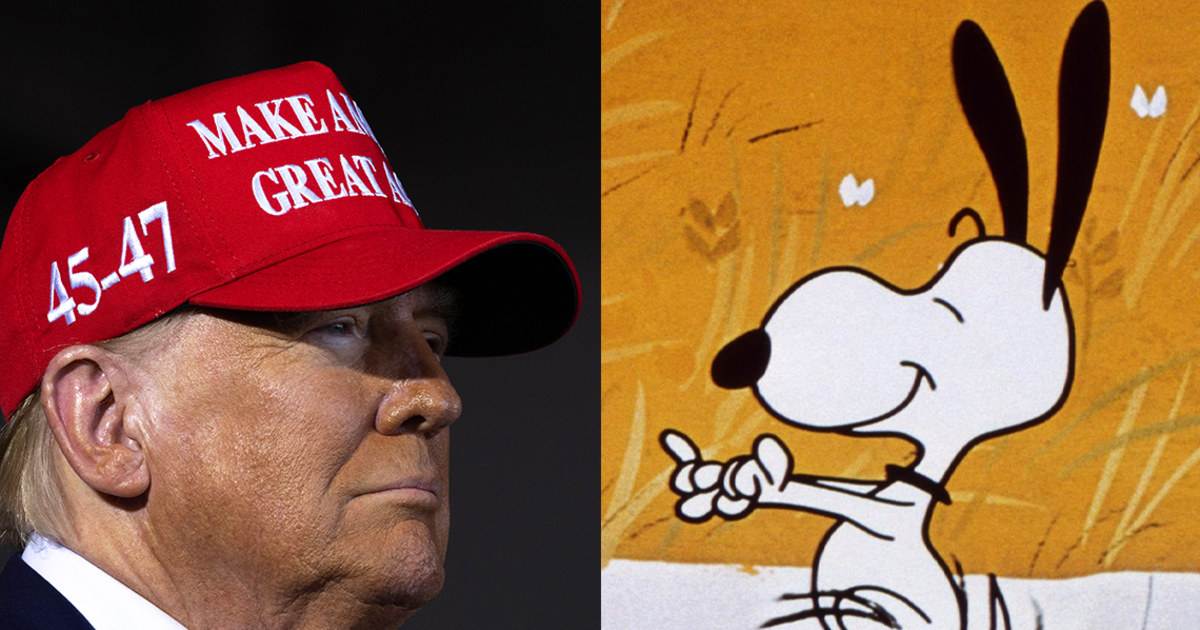
Snoopy, the beloved beagle from Charles M. Schulz’s iconic Peanuts comic strip, has long been a symbol of charm, wit, and universal appeal. However, a recent political endorsement by a prominent Snoopy fan account has ignited fierce debate among fans. Snoopy Weekly, an unaffiliated X (formerly Twitter) account with over 19,000 followers, posted a pro-Donald Trump message ahead of the upcoming election, leading to widespread outrage and the eventual deletion of the account. This article delves into the controversy, the intersection of fandom and politics, and the complex legacy of the Peanuts franchise in political discourse.
The Rise of Snoopy in Meme Culture and Social Media
Snoopy has experienced a resurgence in popularity among younger generations, especially Gen Z, who have embraced the character through memes, fan edits, and social media pages. Platforms like X, TikTok, and Instagram have become hubs for sharing creative content centered around Snoopy, often blending nostalgia with contemporary humor.
Several fan-run accounts have amassed large followings by celebrating Snoopy’s charm and personality. These pages typically avoid controversial topics, focusing on lighthearted content that appeals to a broad audience. Snoopy Weekly was one such account, known for sharing engaging posts that resonated with the community.
However, the rise of politically charged content within fandom spaces has complicated this landscape. While some fans seek to keep their beloved characters free from political influence, others use these platforms to express their own views, sometimes sparking conflict within the community.
Snoopy Weekly’s Controversial Pro-Trump Post
In the weeks leading up to the 2024 U.S. presidential election, Snoopy Weekly posted an endorsement of former President Donald Trump, urging followers to register to vote in critical swing states like Arizona and Georgia. The post featured an image of Snoopy giving a thumbs-up beside an American flag and a voting box, implicitly linking the character to a political cause.
This unexpected political statement shocked many followers who viewed the account as a nonpartisan fan page. The endorsement was met with swift backlash from fans who felt that mixing politics with a beloved fictional character was inappropriate and divisive.
The controversy escalated as users accused Snoopy Weekly of pushing a “fascistic” agenda, leading to heated exchanges on social media. Within days, the account was deleted, leaving many fans wondering about the motivations behind the post and the future of politically active fan accounts.
Community Reactions and Fan Divisions
The reaction from the Snoopy fan community was deeply polarized. Some fans expressed anger and disappointment, feeling betrayed by the politicization of a character they considered apolitical and universally cherished. Comments like “Snoopy hates you” captured the frustration of those who wanted to keep their fandom free from political discourse.
Conversely, a segment of fans supported the idea of using popular platforms to encourage civic engagement, especially voter registration in key states. Other Snoopy fan accounts, such as dailysnoopys, which leans left politically and advocates for causes like a cease-fire in the Israel-Hamas conflict, gained attention as alternatives for fans seeking a different political perspective.
This division reflects a broader trend in fandom culture, where political beliefs increasingly influence how communities form and interact. The incident underscores the challenges of maintaining a shared space for enjoyment when personal and political identities collide.
The Historical Political Context of Peanuts and Charles M. Schulz
While many fans perceive Peanuts as a lighthearted, apolitical comic strip, its creator, Charles M. Schulz, often infused his work with subtle social and political commentary. Historian Blake Scott Ball highlights Schulz’s willingness to address controversial issues such as school prayer, the Vietnam War draft, and women’s rights through his characters.
Snoopy himself has been part of political discourse before, famously appearing on a 1972 bumper sticker that read “Snoopy for President.” This illustrates that politics, in some form, have long been intertwined with the Peanuts legacy, challenging the notion that the franchise is purely escapist entertainment.
Schulz’s personal history as a World War II veteran and advocate for social causes influenced his storytelling. He promoted diversity through characters like Franklin, the first Black character in a mainstream comic strip, and supported gender diversity with characters like Peppermint Patty. These efforts reveal a nuanced political dimension within Peanuts.
The Role of Fan Accounts in Political Expression
Fan accounts occupy a unique space where admiration for a character intersects with individual expression. Unlike official channels, these pages are run by fans who often infuse their own beliefs and interests into the content they share. This autonomy can lead to unexpected political statements, as seen with Snoopy Weekly.
The controversy raises questions about the responsibilities fan accounts have toward their communities. Should they avoid political content to maintain inclusivity, or is it acceptable to use these platforms to advocate for causes? The answer varies depending on the audience and the nature of the fandom.
Social media’s algorithmic nature amplifies political content, sometimes polarizing communities that once bonded over shared interests. This dynamic forces fan accounts to navigate carefully between personal expression and community expectations.
Official Peanuts Stance and Voter Engagement Initiatives
Peanuts Worldwide LLC, which holds the rights to Snoopy and related characters, has remained relatively quiet regarding the controversy. A spokesperson did not provide immediate comments on the incident, emphasizing the separation between official content and fan-run accounts.
However, the official Peanuts website actively promotes voter engagement through initiatives like “Peanuts Rocks the Vote,” encouraging fans to register and participate in elections. This nonpartisan approach aligns with Schulz’s belief in democracy and civic responsibility without endorsing specific candidates.
This distinction between official messaging and fan content highlights the complexities of intellectual property management in the digital age, where fan communities can significantly influence public perception of beloved characters.
The Broader Implications for Fandom and Political Discourse
The Snoopy Weekly incident exemplifies a growing trend where fandom spaces are becoming arenas for political debate and activism. While this can energize communities around important issues, it also risks alienating fans who prefer to keep entertainment and politics separate.
Navigating this balance is increasingly challenging as social media blurs the lines between personal identity, fandom, and public discourse. Fan community managers and content creators must weigh the potential consequences of political statements on their audience’s cohesion.
Ultimately, this controversy invites reflection on how beloved cultural icons like Snoopy can serve as both unifying symbols and points of contention in a polarized society.
Conclusion
The controversy surrounding Snoopy Weekly’s pro-Trump endorsement underscores the delicate balance between fandom and politics in today’s digital landscape. While Snoopy remains a cherished cultural icon, the incident reveals how fan communities can become battlegrounds for ideological conflict. Recognizing the nuanced political history embedded within Peanuts enriches our understanding of the character’s role beyond mere entertainment. As fandoms continue to evolve, maintaining respectful dialogue and inclusivity will be essential to preserving the joy and unity that characters like Snoopy have long inspired.