
Business
Nigeria’s Broken Systems: Why Failure Persists and What Must Change
An analysis of the structural and institutional factors that entrench governance failures in Nigeria, from patronage politics and weakened oversight to the urgent need…
TAMFIS NIG LTDRC 8067447CAC ACTIVEFinima, Bonny Island, Rivers State

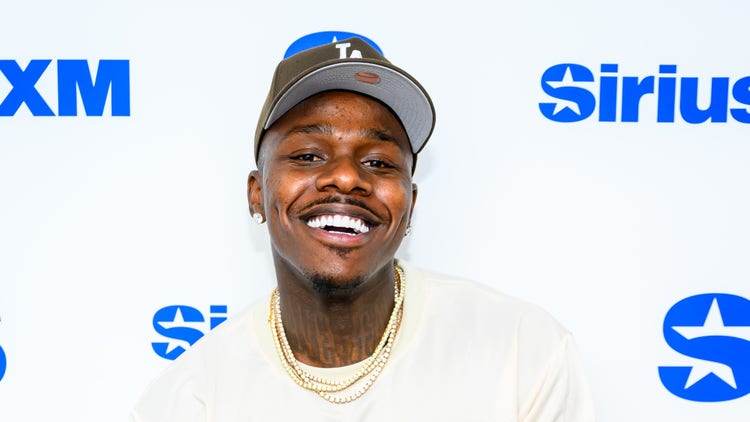
DaBaby, one of the most talked-about figures in hip-hop over the past few years, has been candid about the struggles that come with being a major artist in today’s music industry. After a turbulent period marked by controversies and setbacks, the rapper recently admitted that he had been "falling out of love" with music due to the politics and pressures embedded in the industry. This revelation sheds light on the often unseen challenges artists face behind the scenes. From playlisting manipulations to navigating festival cancellations and strained collaborations, DaBaby’s experience offers a revealing perspective on how industry dynamics can impact an artist’s passion and career trajectory. In this article, we delve deep into DaBaby’s story, his recent musical projects, and the broader context of politics in the music business.
DaBaby, born Jonathan Lyndale Kirk, first rose to prominence with his energetic delivery and catchy hooks. His debut album KIRK and the subsequent releases cemented his status in the hip-hop world. However, his career has not been without controversy. The 2021 Rolling Loud festival incident, where DaBaby made controversial comments, led to widespread backlash and cancellations, significantly affecting his public image and professional opportunities.
Following the incident, DaBaby faced removal from various festival lineups and encountered resistance within the industry. These setbacks were not just about public relations but also involved powerful gatekeepers controlling access to platforms like streaming playlists and media coverage. This gatekeeping made it difficult for him to regain momentum, forcing him to confront the harsh realities of music industry politics.
Despite these challenges, DaBaby continued to work on his craft, releasing new music and experimenting with his sound. His resilience during this period highlighted the complex balance artists must maintain between personal expression and navigating industry expectations. His journey underscores the pressures artists face when their public image intersects with business interests.
In a revealing interview with The Breakfast Club, DaBaby expressed how the politics surrounding music promotion and marketing led him to “fall out of love” with creating music. He described the process as shifting from being an artist to becoming a politician overnight. This transformation involves managing relationships, appeasing stakeholders, and navigating opaque systems that often detract from the pure joy of artistic creation.
DaBaby highlighted the frustration with playlisting, noting that placements on popular streaming playlists are often controlled by unseen forces. He said, “Somebody pressed the button,” referring to his removal from festival lineups and other promotional opportunities. This control limits an artist’s ability to connect directly with their audience and can feel like an artificial barrier to success.
The emotional toll of these politics can lead to disillusionment, as artists may feel their work is overshadowed by industry agendas. DaBaby’s admission reflects a broader issue where creative expression becomes secondary to strategic maneuvering, causing many musicians to question their place in the industry and their motivation to continue.
After a period of relative quiet, DaBaby began regaining traction with the release of “SHAKE SUMN” and its remix featuring Sexyy Red. This track marked a turning point, showcasing his ability to craft hits despite the obstacles he faced. The success of these songs signaled a potential resurgence for the rapper and renewed interest from fans and industry insiders.
In September 2023, DaBaby released HOW TF IS THIS A MIXTAPE?, his first body of work in more than two years. The project consists of 14 songs and notably contains no features, underscoring DaBaby’s desire to present an unfiltered version of himself. Standout tracks like “Gimme A Reason,” “Carry It On,” and “Reesha Roulette (Teach Me)” demonstrate his evolving style and lyrical depth.
This mixtape showed DaBaby’s commitment to his artistry despite the challenges. It also suggested a strategic move to rebuild his career on his own terms, focusing on authenticity and direct connection with listeners. The reception to the mixtape was generally positive, indicating that fans remain eager for his music when he is free from external pressures.
One of the most visible impacts of music industry politics for DaBaby has been his removal from major festival lineups. Festivals are crucial platforms for exposure and career growth, and being excluded can significantly hinder an artist’s momentum. DaBaby openly acknowledged the frustration of these removals, attributing them to decisions made behind closed doors rather than public demand.
This phenomenon reflects a broader issue in the music industry, where gatekeepers — including festival organizers, label executives, and streaming curators — hold significant power over an artist’s visibility. These decisions are often influenced by politics, public relations considerations, and commercial interests rather than purely artistic merit.
For artists like DaBaby, navigating this landscape requires strategic thinking and resilience. It involves managing public perception, maintaining fan engagement, and finding alternative ways to distribute music and reach audiences. However, the emotional strain and uncertainty can contribute to burnout and a sense of alienation from the creative process.
DaBaby also spoke about his professional and personal fallout with Stunna 4 Vegas, a fellow rapper from North Carolina with whom he previously collaborated on multiple tracks. Their partnership had been fruitful, with joint songs like “Billion Dollar Baby” and “Animal” gaining attention. However, their paths eventually diverged due to differing career choices and visions.
In his interview, DaBaby expressed no ill will toward Stunna 4 Vegas, stating that he’s happy for him and respects his journey. He acknowledged that sometimes collaborators take different routes, and while it’s difficult, it’s part of the evolving music landscape. This candidness reflects maturity and an understanding of the complex dynamics that often influence artist relationships.
The split also highlights the challenges of maintaining long-term partnerships in an industry rife with competition and politics. For DaBaby, it was another example of how external factors and personal ambitions can reshape professional networks, impacting creative output and support systems.
DaBaby’s experiences are emblematic of a wider conversation about the influence of politics in the music industry. From playlist placements and festival bookings to media coverage and public relations, many aspects of an artist’s career are subject to gatekeeping and strategic maneuvering. These elements can overshadow talent and creativity, creating barriers for artists seeking genuine artistic expression.
The rise of streaming platforms has shifted power dynamics, with playlist curators and algorithmic preferences playing a central role in determining which songs gain traction. This system can be opaque and frustrating for artists, who may feel powerless against decisions made by platforms or industry executives focused on commercial interests rather than artistic merit.
Moreover, public controversies and personal behavior often intersect with industry politics, affecting an artist’s opportunities and reputation. DaBaby’s case illustrates how quickly fortunes can change and how navigating this environment requires more than just musical talent — it demands political savvy and resilience.
The pressures of music industry politics don’t just affect business outcomes; they take a significant emotional toll on artists. DaBaby’s admission of falling out of love with music highlights how these challenges can erode an artist’s passion and motivation. Constantly managing image, navigating politics, and facing public scrutiny can lead to burnout and creative stagnation.
For many artists, the ideal of making music for personal and artistic fulfillment clashes with the realities of commercial expectations and industry demands. This conflict can create a sense of alienation and frustration, as artists feel forced to prioritize politics over creativity. DaBaby’s experience underscores the need for support systems and industry reforms that prioritize artist well-being.
Despite these challenges, some artists find ways to reclaim their passion by focusing on authentic projects and direct fan engagement. DaBaby’s recent mixtape, released without features, suggests an attempt to reconnect with his core artistic self. It serves as a reminder that while the industry landscape is complex, the essence of music remains rooted in personal expression.
DaBaby’s recent openness about his struggles with industry politics signals a potential turning point in his career. By acknowledging the difficulties and expressing his disillusionment, he invites a broader dialogue about the challenges artists face. This transparency may help him rebuild trust with fans and collaborators who appreciate his honesty.
Moving forward, DaBaby’s path may involve balancing commercial demands with creative freedom. His willingness to release projects on his own terms, like HOW TF IS THIS A MIXTAPE?, indicates a desire to regain control over his artistry. This approach could serve as a blueprint for other artists navigating similar obstacles.
Ultimately, DaBaby’s journey highlights the importance of resilience and adaptability in the music industry. While politics and gatekeeping remain significant hurdles, artists who remain true to their vision and find ways to engage their audience can continue to thrive. DaBaby’s story is a testament to the enduring power of music as a form of personal and cultural expression.
DaBaby’s candid reflections on his struggles with music industry politics offer a rare glimpse into the complexities behind the scenes of modern hip-hop. His journey from controversy through disillusionment to a tentative comeback underscores the emotional and professional challenges artists face today. While the politics of playlisting, festival bookings, and public relations can stifle creativity and passion, DaBaby’s story reveals the importance of resilience and authenticity. As the industry continues to evolve, his experiences may inspire both artists and stakeholders to rethink how music is promoted, supported, and celebrated. Ultimately, DaBaby’s narrative is a powerful reminder that beyond the glitz and glamour, the heart of music lies in the artist’s love for their craft — a love that must be nurtured, not diminished, by the politics surrounding it.
Originally reported by rap-up.com. Adapted for our readers.
Keep reading
Business
An analysis of the structural and institutional factors that entrench governance failures in Nigeria, from patronage politics and weakened oversight to the urgent need…
Politics
Yari says the APC will emphasise Tinubu’s achievements in 2027. This analysis explains how voters can examine outcomes, baselines and campaign evidence.
Lifestyle
Obi says his wife funds her own purchases. This analysis separates his explanation, unverified handbag prices and the evidence needed to assess public spending.
TAMFIS NIG LTD
Electrical and instrumentation engineering, bid preparation and consulting, IT and software.

