
Business
Nigeria’s Broken Systems: Why Failure Persists and What Must Change
An analysis of the structural and institutional factors that entrench governance failures in Nigeria, from patronage politics and weakened oversight to the urgent need…
TAMFIS NIG LTDRC 8067447CAC ACTIVEFinima, Bonny Island, Rivers State

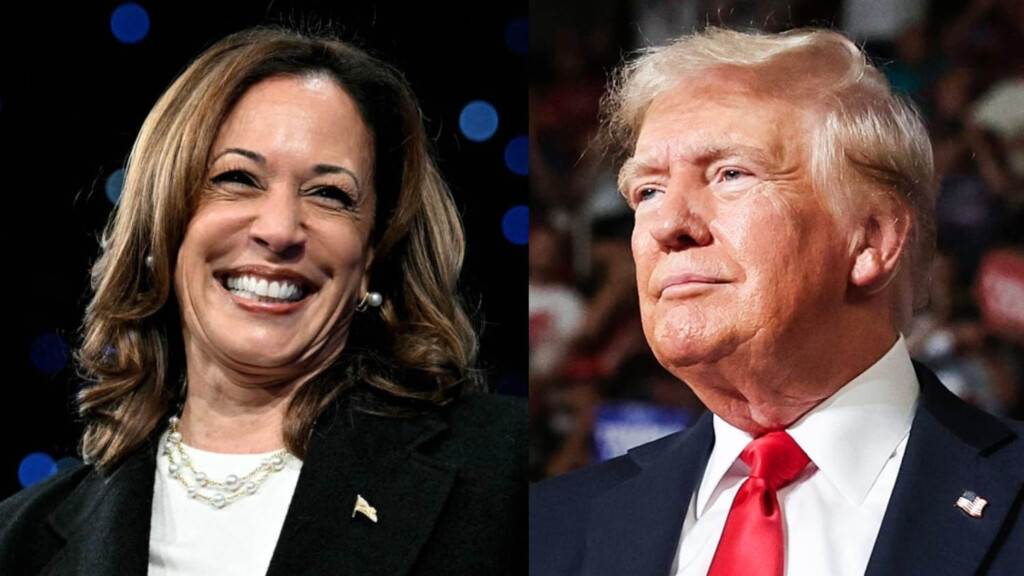
Every four years, the race for the U.S. presidency captivates millions, but beneath the spectacle lies a complex web of strategies, demographics, and electoral math. Harvard’s Director of Polling provides a detailed analysis of what it takes for each presidential candidate to win the election. From the importance of swing states to voter enthusiasm, this breakdown sheds light on the nuanced pathways candidates must navigate to secure victory. This article explores these factors in depth, offering readers a comprehensive understanding of the electoral dynamics shaping presidential campaigns.
Unlike a straightforward popular vote, the U.S. presidential election hinges on the Electoral College system. Each state is allocated a certain number of electoral votes based on its congressional representation, and candidates must secure a majority of 270 out of 538 electoral votes to win. This system means that winning populous states by narrow margins can be more impactful than winning smaller states by large margins.
Harvard’s Director of Polling emphasizes that candidates tailor their campaigns to focus on swing states—those with unpredictable voting patterns and substantial electoral votes. States like Florida, Pennsylvania, and Arizona often become battlegrounds where campaigns invest heavily in outreach, advertising, and ground game efforts. Success in these states frequently determines the election outcome.
Understanding the Electoral College’s influence helps explain why candidates may ignore states seen as solidly ‘red’ or ‘blue’ and instead concentrate resources on competitive regions. It also highlights the importance of coalition-building across diverse voter bases within these key states.
Demographics play a pivotal role in shaping electoral strategies. Harvard’s Director of Polling points out that candidates must build winning coalitions by appealing to various groups, including age, race, education level, and geographic location. For example, younger voters, minority communities, and suburban women have emerged as critical demographics in recent elections.
Candidates often tailor their messaging to resonate with these groups’ values and concerns. A candidate seeking to mobilize Gen Z voters might emphasize climate change and social justice, while appealing to suburban voters may require a focus on economic stability and public safety. The ability to engage these diverse constituencies can tip the scales in close races.
Moreover, shifts in demographic trends—such as population growth in the Sun Belt states or changing attitudes among rural voters—can redefine traditional political alliances. Successful candidates track these changes closely to adapt their strategies accordingly.
Beyond demographics, voter enthusiasm and turnout significantly influence election results. Harvard’s Director of Polling highlights that high enthusiasm within a candidate’s base often translates to increased turnout, which can be decisive in tight races. Conversely, a candidate with lukewarm support risks losing ground even in favorable states.
Campaigns invest heavily in get-out-the-vote (GOTV) efforts, using data analytics and grassroots organizing to motivate supporters. Enthusiasm gaps—where one candidate’s base is more energized than the other’s—have historically impacted election outcomes, sometimes overriding demographic advantages.
Additionally, external factors such as weather, election day logistics, and voter suppression tactics can affect turnout. Understanding and mitigating these challenges is crucial for candidates aiming to maximize their vote share.
Swing states are the epicenter of presidential campaigns due to their unpredictable voting patterns and significant electoral vote counts. Harvard’s Director of Polling explains that winning these states requires targeted messaging that addresses local issues and resonates with undecided voters.
Campaigns conduct extensive polling and focus groups in swing states to refine their strategies. They also deploy surrogates, hold rallies, and invest in localized advertising to build familiarity and trust among voters. The ability to sway even a small percentage of undecided voters in these states can secure vital electoral votes.
Moreover, swing states often reflect broader national trends, making their outcomes an indicator of the overall electoral climate. Candidates must remain agile and responsive to shifting sentiments within these battlegrounds throughout the campaign.
Vice presidential candidates can influence the election by balancing the ticket and appealing to key demographics or regions. Harvard’s Director of Polling notes that a well-chosen running mate can energize the base, attract undecided voters, and reinforce a candidate’s strengths while addressing perceived weaknesses.
Debates provide a critical platform for both presidential and vice presidential candidates to communicate directly with voters. Strong debate performances can shift public opinion, clarify policy positions, and demonstrate leadership qualities. Conversely, poor performances may dampen enthusiasm and raise doubts about a candidate’s readiness.
The strategic timing and content of debate appearances are carefully planned to maximize impact. Campaigns often prepare extensively to anticipate opponents’ attacks and highlight their own narratives during these high-visibility events.
Media coverage shapes public perception and can amplify or undermine a candidate’s message. Harvard’s Director of Polling underscores the importance of managing media narratives to maintain momentum and counter negative stories. Social media platforms also play an increasingly vital role in reaching younger voters and mobilizing grassroots support.
Polling data serves as both a guide and a barometer for campaigns. Accurate polls help candidates allocate resources efficiently, identify weaknesses, and adjust tactics. However, polling errors or misinterpretations can lead to misguided strategies and unexpected outcomes.
Candidates and their teams continuously analyze polling trends at national and state levels to gauge their standing. Transparency and credibility in polling are essential to maintaining public trust and informing voter expectations.
External events such as economic conditions, national crises, and international developments heavily influence voter sentiment. Harvard’s Director of Polling explains that candidates who can convincingly address these issues and propose viable solutions often gain an advantage.
For instance, economic downturns or public health emergencies can shift voter priorities toward stability and competent leadership. Candidates who effectively communicate empathy and clear plans may win the trust of undecided or swing voters.
Conversely, scandals or perceived mismanagement can erode support. The national mood often acts as a backdrop against which candidates’ messages are received, making adaptability and responsiveness vital components of a winning campaign.
Modern presidential campaigns leverage technology and data analytics to refine targeting and engagement. Harvard’s Director of Polling highlights how campaigns use voter databases, social media algorithms, and predictive models to identify persuadable voters and optimize outreach efforts.
Data-driven strategies enable personalized communication, from tailored emails to targeted advertisements, increasing the efficiency of campaign spending. This precision helps campaigns focus on high-impact voters and regions, especially within swing states.
Additionally, technology facilitates rapid response to emerging issues and opposition attacks. The integration of analytics with traditional campaigning methods represents an evolving landscape where data is a critical asset for electoral success.
Winning a U.S. presidential election is a multifaceted endeavor that extends beyond simply garnering the most votes nationwide. Harvard’s Director of Polling illuminates the intricate interplay of electoral mechanics, demographic coalitions, voter enthusiasm, and strategic campaigning that determine each candidate’s path to victory. By understanding these dynamics, voters and observers can better appreciate the complexities of the electoral process and the factors that ultimately decide who leads the nation. In an ever-evolving political landscape, adaptability and insight remain the hallmarks of successful presidential campaigns.
Originally reported by msnbc.com. Adapted for our readers.
Keep reading
Business
An analysis of the structural and institutional factors that entrench governance failures in Nigeria, from patronage politics and weakened oversight to the urgent need…
Politics
Yari says the APC will emphasise Tinubu’s achievements in 2027. This analysis explains how voters can examine outcomes, baselines and campaign evidence.
Lifestyle
Obi says his wife funds her own purchases. This analysis separates his explanation, unverified handbag prices and the evidence needed to assess public spending.
TAMFIS NIG LTD
Electrical and instrumentation engineering, bid preparation and consulting, IT and software.

