
Educational Resources
The Impact of Digital Twins in Oil & Gas Plant Maintenance
The Impact of Digital Twins in Oil & Gas Plant Maintenance is a topic that deserves thorough explora...
TAMFIS NIG LTDRC 8067447CAC ACTIVEFinima, Bonny Island, Rivers State

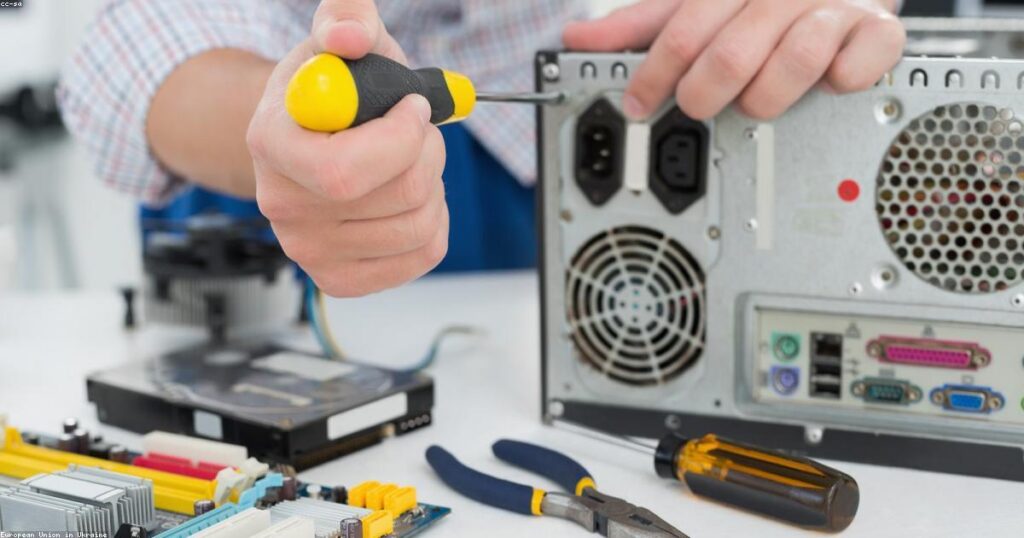
Electronics engineering interviews, especially for hardware engineer roles, demand a solid understanding of fundamental concepts, practical skills, and problem-solving abilities. Whether you are a fresh graduate or an experienced professional, preparing for these interviews requires familiarity with both theoretical knowledge and real-world applications. This article provides a thorough overview of common hardware engineer interview questions, structured insights into essential topics, and strategies to approach technical discussions confidently. By mastering these areas, candidates can increase their chances of securing a role in this competitive field.
A hardware engineer designs, develops, tests, and supervises the manufacturing of electronic hardware components and systems. Their work spans from creating circuit boards and processors to integrating hardware with software and ensuring system reliability. In interviews, understanding the scope of the role helps candidates tailor their responses to demonstrate relevant skills and experiences.
Hardware engineers must be proficient in various aspects of electronics, including analog and digital circuit design, PCB layout, signal processing, and embedded systems. Interviewers often assess candidates' knowledge in these areas to verify their technical competence and problem-solving capabilities.
Additionally, hardware engineers collaborate with multidisciplinary teams, necessitating strong communication and project management skills. Interview questions may also explore candidates' ability to work in team settings, handle project deadlines, and adapt to evolving technologies.
Technical questions typically cover fundamental electronics topics such as Ohm’s Law, Kirchhoff’s laws, and semiconductor physics. Candidates should be prepared to explain concepts like voltage, current, resistance, and how they apply to circuit analysis and design.
Interviewers often ask about digital electronics, including logic gates, flip-flops, multiplexers, and counters. Understanding how these components function and interact is crucial for designing and troubleshooting digital circuits.
Practical questions may involve interpreting circuit diagrams, calculating signal timings, or designing simple circuits to meet specified requirements. Being able to walk through problem-solving steps clearly and methodically demonstrates both knowledge and analytical skills.
Candidates should be familiar with hardware design processes, including schematic capture, PCB layout, and simulation tools. Interviewers may inquire about experience with software such as Altium Designer, Eagle, or SPICE simulators to assess hands-on capabilities.
Testing and validation are critical stages in hardware development. Questions might focus on test methodologies like functional testing, boundary scan, and signal integrity analysis. Understanding how to identify and rectify hardware faults is a valuable skill.
Knowledge of industry standards and compliance, such as IPC standards for PCB manufacturing or electromagnetic compatibility (EMC) requirements, is often explored. Demonstrating awareness of these standards indicates professionalism and attention to detail.
Many hardware engineers work closely with embedded systems, requiring familiarity with microcontrollers, firmware development, and interfacing techniques. Interview questions may probe understanding of microcontroller architectures, memory types, and communication protocols like SPI, I2C, and UART.
Candidates might be asked to explain interrupt handling, timers, ADC/DAC functionalities, and how to optimize embedded software for hardware constraints. Practical knowledge of debugging embedded systems using tools like JTAG or logic analyzers is often valued.
Understanding real-time operating systems (RTOS) concepts and how hardware interacts with software layers can set candidates apart. Interviewers may explore scenarios involving synchronization, resource management, and power optimization in embedded designs.
Interviewers commonly present scenario-based problems to evaluate candidates' analytical thinking and troubleshooting abilities. These may include identifying faults in a malfunctioning circuit or optimizing a design for performance and cost.
Candidates should practice explaining their thought processes clearly, using logical reasoning to arrive at solutions. Demonstrating familiarity with debugging tools and techniques, such as oscilloscopes and logic analyzers, can strengthen responses.
Soft skills like adaptability and creativity also come into play during problem-solving questions. Being able to propose alternative approaches or improvements to existing designs showcases innovation and a proactive mindset.
Beyond technical expertise, interviewers assess cultural fit and interpersonal skills through behavioral questions. Topics may include teamwork experiences, conflict resolution, and handling project setbacks.
Candidates are encouraged to use the STAR (Situation, Task, Action, Result) method to structure responses, providing concrete examples that highlight their strengths and learning experiences.
Situational questions may also explore how candidates prioritize tasks under tight deadlines or manage communication with cross-functional teams. Demonstrating professionalism and a collaborative attitude can leave a positive impression.
Thorough preparation is crucial for success in hardware engineer interviews. Candidates should review fundamental electronics concepts, practice problem-solving exercises, and familiarize themselves with the company’s products and technologies.
Mock interviews and coding or circuit design challenges can boost confidence and help identify areas needing improvement. Additionally, preparing thoughtful questions for the interviewer shows genuine interest and engagement.
Maintaining a portfolio of projects or relevant work experience to discuss during the interview can differentiate candidates. Highlighting contributions to hardware design, testing, or innovation demonstrates practical expertise and passion.
Several books and online platforms offer valuable content for hardware engineer interview preparation. Textbooks on electronics fundamentals, digital design, and embedded systems provide in-depth knowledge.
Websites like IEEE Xplore, electronics forums, and specialized blogs offer up-to-date industry insights and problem-solving discussions. Participating in online communities can also help candidates stay current with emerging trends.
Hands-on practice using simulation software and development kits enhances understanding and readiness. Combining theoretical study with practical application is the most effective strategy to excel in hardware engineering interviews.
Securing a hardware engineer position requires a well-rounded preparation strategy that balances technical proficiency, problem-solving aptitude, and interpersonal skills. By thoroughly understanding core electronics principles, practicing common interview questions, and demonstrating real-world experience, candidates can confidently navigate the interview process. Additionally, showcasing adaptability and a collaborative mindset can further distinguish applicants in a competitive field. With dedication and focused preparation, electronics engineers can successfully transition from interview to impactful hardware engineering roles.
Keep reading
Educational Resources
The Impact of Digital Twins in Oil & Gas Plant Maintenance is a topic that deserves thorough explora...
Educational Resources
Smart homes have transitioned from futuristic concepts to tangible realities that enhance everyday livin...
Educational Resources
As a small or medium-sized business owner in Nigeria, you are a master of spinning plates. You are the CEO, the head of sales,…
TAMFIS NIG LTD
Electrical and instrumentation engineering, bid preparation and consulting, IT and software.

